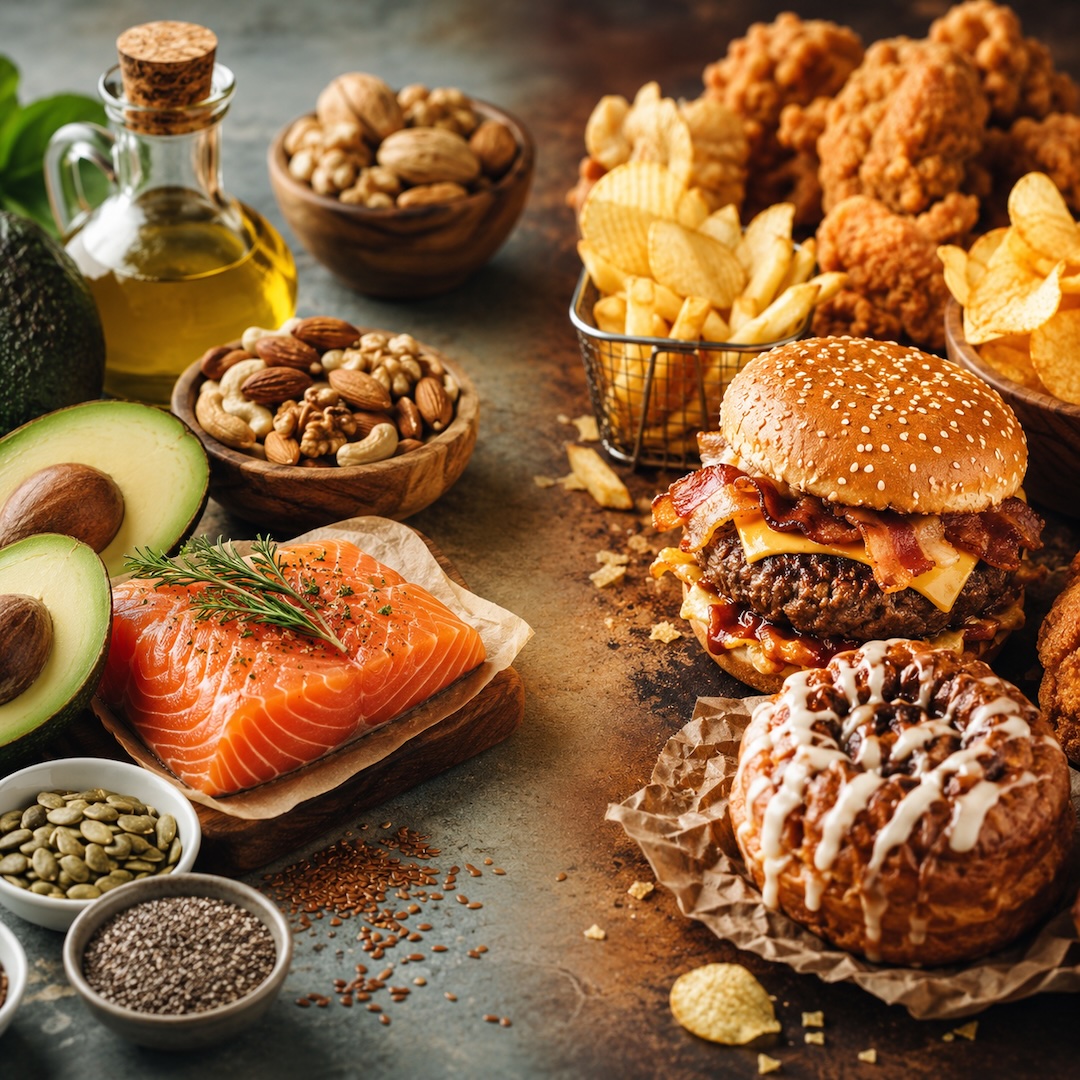
For years, many people believed that all fat was bad. Today, we know that’s far from the truth.
Fat is an essential nutrient. Your body needs it for energy, absorbing vitamins, producing hormones, building healthy cells, and supporting brain function. The key isn’t avoiding fat altogether—it’s choosing the right types of fat.
Some fats can improve heart health and reduce inflammation, while others can raise cholesterol and increase the risk of heart disease.
Here’s what you need to know about healthy and unhealthy fats.
Why Your Body Needs Fat
Fat is much more than a source of calories.
Healthy fats help your body:
- Provide long-lasting energy
- Absorb vitamins A, D, E, and K
- Build healthy cells
- Produce hormones
- Support brain and nerve function
- Protect organs
- Maintain healthy skin and hair
Without enough healthy fat, your body cannot function properly.
The Three Main Types of Dietary Fat
Most of the fat we eat falls into three categories:
- Unsaturated fats (generally considered the healthiest)
- Saturated fats (should be limited)
- Trans fats (should be avoided whenever possible)
The health effects of fat depend far more on the type of fat than the total amount you eat.
Healthy Fats: Unsaturated Fats
Unsaturated fats are considered the healthiest type of dietary fat.
Unlike saturated fats, they are usually liquid at room temperature and are found primarily in plant foods and fish.
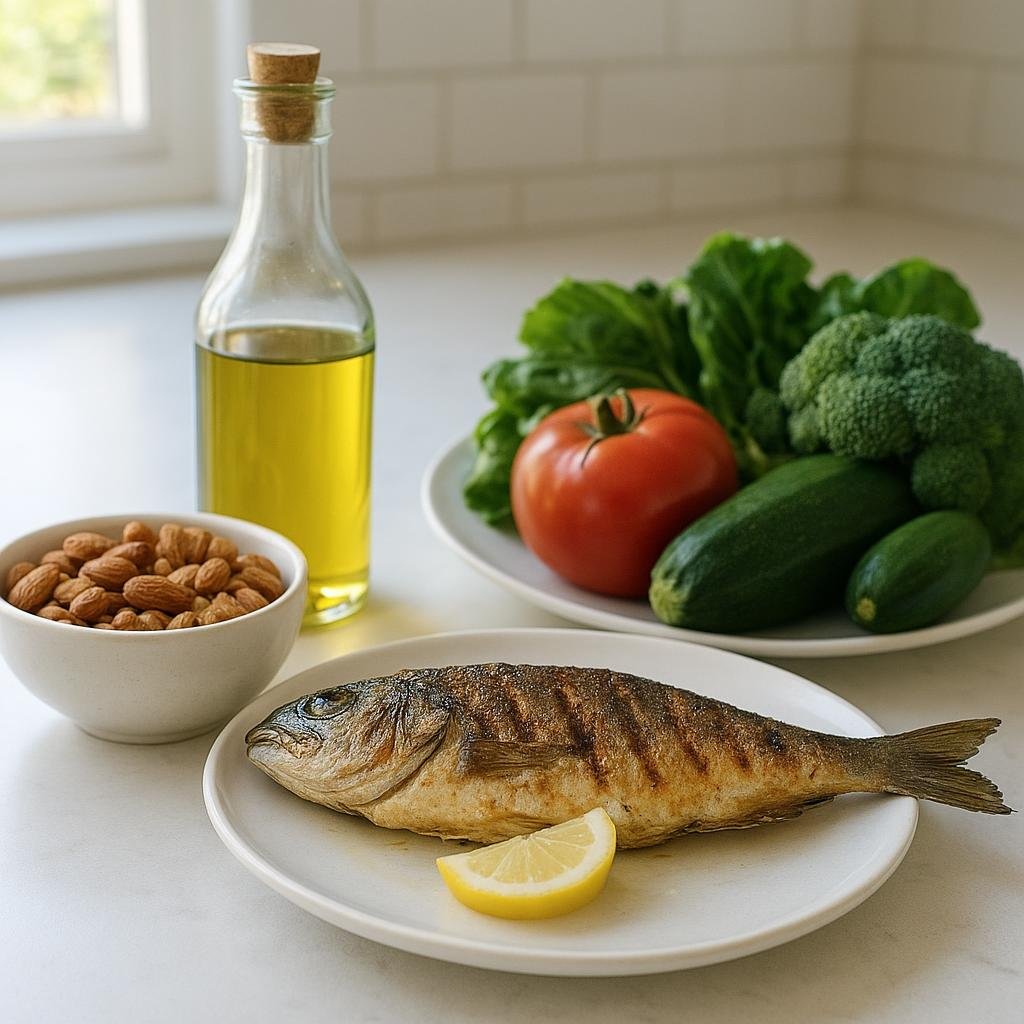
Replacing saturated fats with unsaturated fats has been shown to improve cholesterol levels and lower the risk of heart disease.
There are two main types.
Monounsaturated Fats
Monounsaturated fats help reduce LDL (“bad”) cholesterol while maintaining or even increasing HDL (“good”) cholesterol.
Excellent sources include:
- Olive oil
- Avocados
- Almonds
- Pecans
- Hazelnuts
- Peanuts
- Peanut oil
- Canola oil
- Pumpkin seeds
- Sesame seeds
These foods are staples of heart-healthy eating patterns such as the Mediterranean diet.
Polyunsaturated Fats
Polyunsaturated fats also help improve cholesterol levels and provide essential fatty acids that your body cannot produce on its own.
These include:
- Omega-3 fatty acids
- Omega-6 fatty acids
Foods rich in polyunsaturated fats include:
- Salmon
- Sardines
- Mackerel
- Herring
- Tuna
- Walnuts
- Flaxseeds
- Soybeans
- Sunflower seeds
- Corn oil
- Soybean oil
Health organizations often recommend eating fatty fish two to three times per week to increase omega-3 intake.
The Benefits of Healthy Fats
Research has linked diets rich in unsaturated fats with numerous health benefits.
Healthy fats may help:
- Lower LDL (“bad”) cholesterol
- Raise or maintain HDL (“good”) cholesterol
- Reduce the risk of heart disease and stroke
- Improve blood pressure
- Support healthy blood sugar levels
- Reduce inflammation
- Support brain health
- Maintain healthy cell membranes
- Promote healthy gut function
Replacing saturated fats with unsaturated fats—not simply reducing total fat—is associated with the greatest cardiovascular benefits.
Saturated Fat: Not All Bad, But Best in Moderation
Saturated fat has been one of the most debated topics in nutrition.
It is found mainly in:
- Beef
- Pork
- Bacon
- Sausage
- Butter
- Cheese
- Whole milk
- Cream
- Ice cream
- Coconut oil
- Palm oil
Unlike unsaturated fats, saturated fats are generally solid at room temperature.
Current dietary guidelines recommend limiting saturated fat, especially for people at higher risk of heart disease.
The American Heart Association recommends keeping saturated fat below about 6% of daily calories, while the Dietary Guidelines for Americans recommend staying below 10%.
Does Saturated Fat Cause Heart Disease?
The answer is more nuanced than many people realize.
Some recent studies have questioned whether saturated fat alone strongly increases heart disease risk.
However, nutrition experts largely agree on one important point:
What you eat instead matters.
Replacing saturated fat with refined carbohydrates (such as white bread, sugary cereals, or sweets) provides little or no heart-health benefit.
Replacing saturated fat with unsaturated fats, especially polyunsaturated fats, consistently improves cholesterol levels and lowers cardiovascular risk.
In other words, swapping butter for olive oil is generally a healthier choice than swapping butter for white bread.
Trans Fat: The Fat to Avoid
If there is one type of fat that health experts agree should be minimized, it’s trans fat.
Artificial trans fats are created by partially hydrogenating vegetable oils, making them solid and extending shelf life.
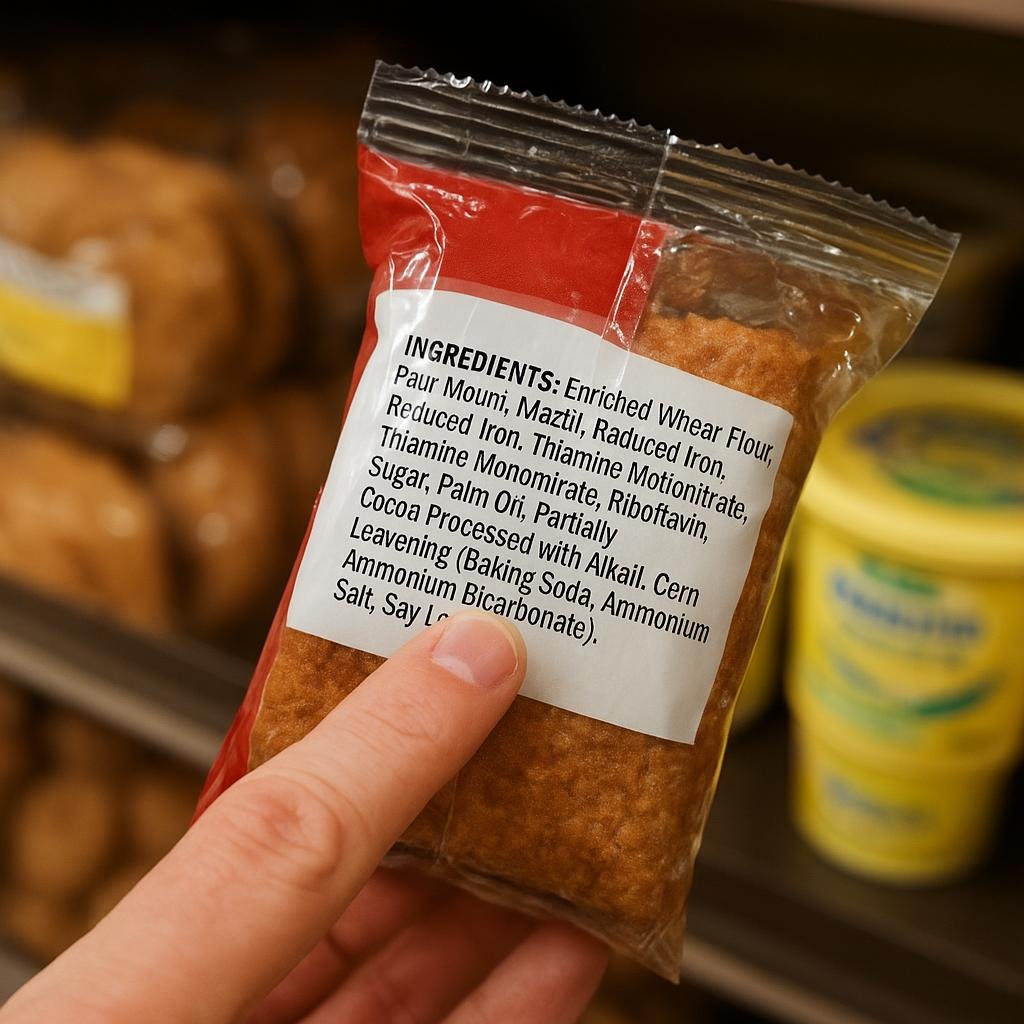
For many years they were widely used in:
- Margarine
- Commercial baked goods
- Cookies
- Crackers
- Doughnuts
- Fried foods
- Snack foods
Research consistently shows that trans fats:
- Increase LDL (“bad”) cholesterol
- Lower HDL (“good”) cholesterol
- Increase inflammation
- Raise the risk of heart disease
- Increase the risk of stroke
- May increase the risk of type 2 diabetes
Because of these well-established health risks, partially hydrogenated oils (PHOs)—the primary source of artificial trans fats—have been removed from the U.S. food supply.
Small amounts of naturally occurring trans fats are still found in dairy products and meat from ruminant animals. These occur naturally and are consumed in much smaller amounts than the industrial trans fats that were previously common in processed foods.
Simple Ways to Eat Healthier Fats
Improving the quality of fat in your diet doesn’t have to be complicated.
Try these simple swaps:
✅ Cook with olive or canola oil instead of butter.
✅ Snack on nuts instead of chips.
✅ Choose salmon instead of processed meats.
✅ Add avocado to sandwiches or salads.
✅ Eat seeds such as flax, chia, or pumpkin seeds.
✅ Choose low-fat dairy if recommended by your healthcare provider.
✅ Limit highly processed fried foods.
These small changes can improve your overall diet without requiring major lifestyle changes.
How InSpoon Can Help
Understanding food labels isn’t always easy. Many processed foods contain unexpected amounts of saturated fat, while others provide healthier unsaturated fats.
The InSpoon app helps you quickly view nutrition information—including saturated fat—and compare products while shopping. Instead of reading every label yourself, you can make more informed choices in seconds.

Download InSpoon:
Frequently Asked Questions
Is all fat bad?
No. Healthy fats are essential for energy, hormone production, brain function, vitamin absorption, and overall health.
Which fats are healthiest?
Monounsaturated and polyunsaturated fats are generally considered the healthiest choices. They are found in foods such as olive oil, nuts, seeds, avocados, and fatty fish.
Should I completely avoid saturated fat?
Not necessarily. Most experts recommend limiting saturated fat rather than eliminating it entirely. Replacing some saturated fat with unsaturated fat is generally the healthiest approach.
Are trans fats still found in foods?
Artificial trans fats have largely been removed from the U.S. food supply, but small amounts of naturally occurring trans fats are still present in some meat and dairy products.
Final Thoughts
Fat isn’t the enemy—it is an essential part of a healthy diet. The real goal is choosing better fats more often.
Foods rich in unsaturated fats, such as olive oil, nuts, seeds, avocados, and fatty fish, support heart health, improve cholesterol levels, and provide nutrients your body needs every day.
At the same time, limiting saturated fat and avoiding artificial trans fats can further reduce your risk of cardiovascular disease.
Rather than focusing on eating less fat, focus on choosing healthier sources of fat. Small swaps made consistently can have a meaningful impact on your long-term health.