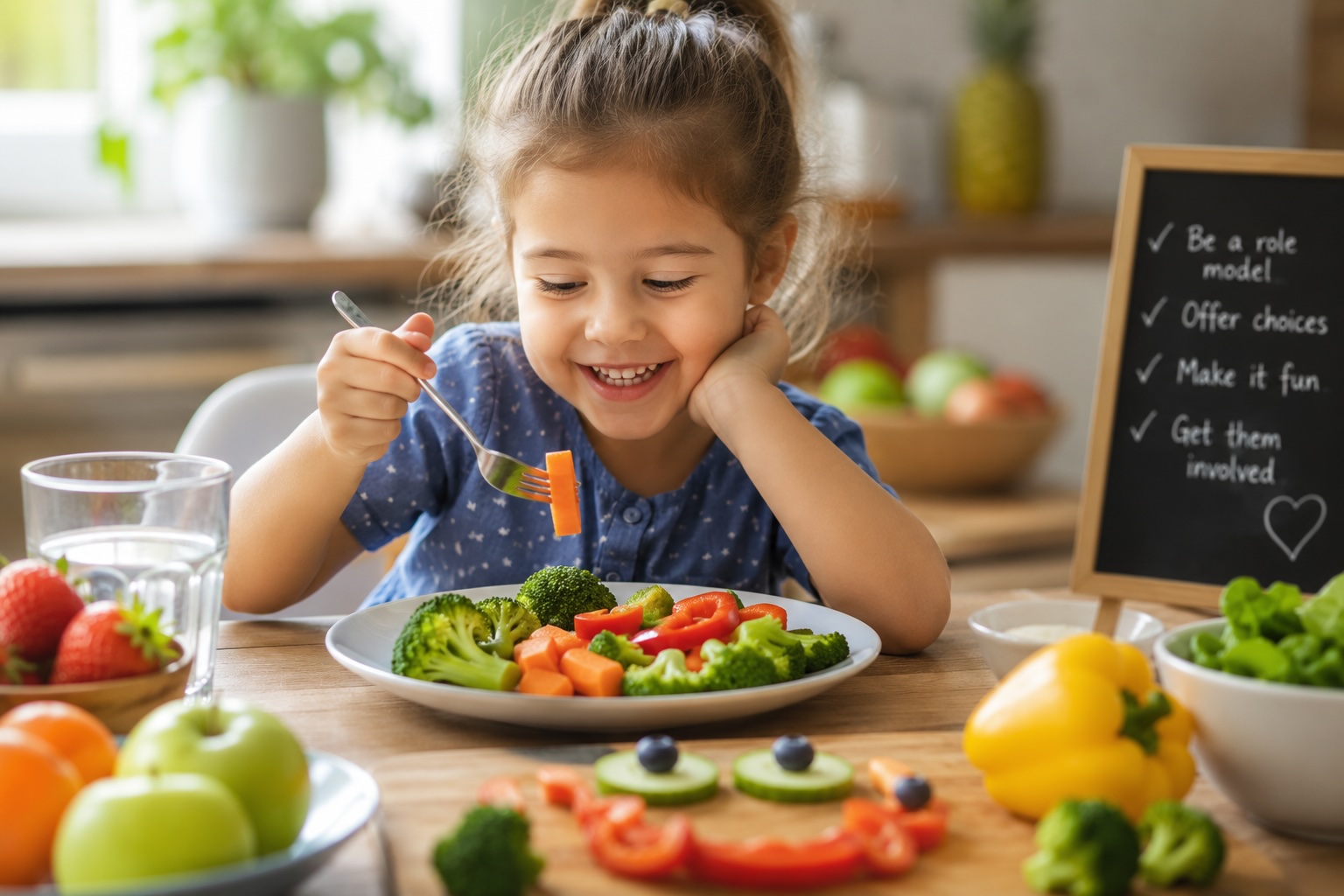
Helping children develop healthy eating habits is one of the greatest gifts parents can give them. Good nutrition supports healthy growth, brain development, strong bones, and a healthy immune system. It also lowers the risk of obesity, heart disease, type 2 diabetes, and other chronic diseases later in life.
The challenge? Many kids naturally prefer familiar foods, while fruits, vegetables, and other nutritious options may seem less exciting.
The good news is that building healthy eating habits doesn’t require strict diets or perfect meals. Small, consistent changes can make a lasting difference.
Here are five practical ways to encourage healthier eating at home.
1. Introduce New Foods Slowly
One of the biggest mistakes parents make is expecting children to love a new food immediately.
Many children need to see or taste a new food multiple times before accepting it.
Instead of replacing an entire meal with unfamiliar foods, try:
- Serving one new vegetable alongside favorite foods.
- Offering small portions without pressure.
- Letting children explore the food by touching or smelling it.
- Trying the same food prepared in different ways.
Patience is important. Refusing a food today doesn’t mean your child will dislike it forever.
2. Make Healthy Foods Fun
Presentation matters—especially for younger children.
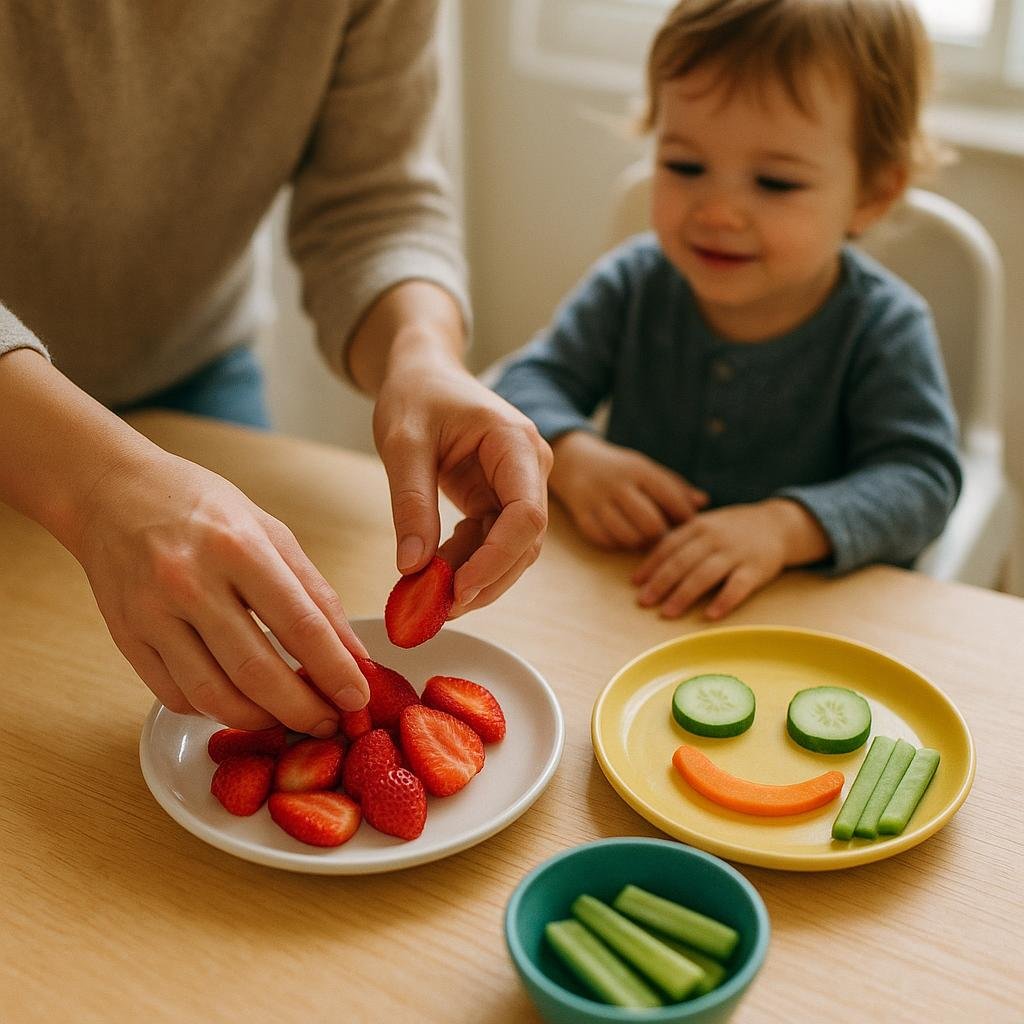
Simple changes can make nutritious foods much more appealing.
Ideas include:
- Arrange fruit into colorful shapes.
- Turn broccoli into “little trees.”
- Make funny faces using vegetables.
- Serve colorful snack plates.
- Let children choose between two healthy options.
Healthy meals don’t need to look perfect for social media. Even small touches can make children more excited to eat.
3. Be the Example
Children learn far more from what parents do than from what parents say.
If they regularly see adults enjoying vegetables, fruit, whole grains, and home-cooked meals, they’re much more likely to develop similar habits.
Parents can encourage healthy eating by:
- Eating meals together whenever possible.
- Choosing water instead of sugary drinks.
- Snacking on fruit instead of candy.
- Talking positively about healthy foods.
- Avoiding labeling foods as “good” or “bad.”
Creating a positive food environment helps children build a healthy relationship with eating rather than seeing nutritious foods as a punishment.
4. Get Kids Involved
Children are often more willing to eat foods they helped choose or prepare.
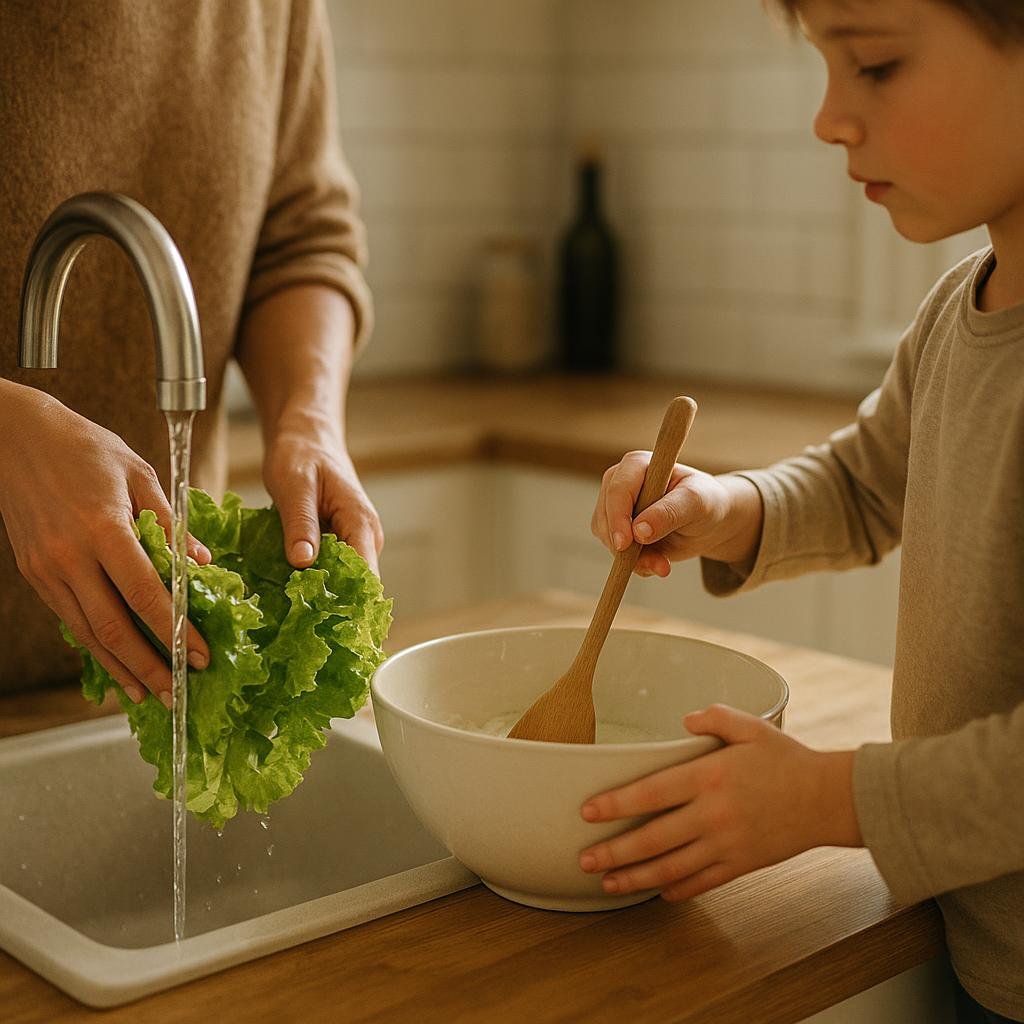
Depending on their age, they can:
- Pick fruits and vegetables at the grocery store.
- Wash produce.
- Stir ingredients.
- Measure foods.
- Set the table.
- Help plan weekly meals.
- Grow herbs or vegetables at home.
Cooking together also teaches valuable life skills while creating opportunities for family time.
5. Build Healthy Habits, Not Perfect Meals
Healthy eating isn’t about perfection.
Instead of focusing on eliminating every treat, build meals around nutritious foods most of the time.
A balanced meal often includes:
- Fruits and vegetables
- Whole grains
- Lean protein
- Healthy fats
- Water or milk instead of sugary drinks
Allowing occasional treats without guilt helps children learn moderation rather than restriction.
What Does a Healthy Diet Look Like?
According to recommendations from the World Health Organization (WHO), a healthy diet includes a variety of foods that provide the nutrients children need to grow and thrive.
Aim to include:
- Fruits and vegetables every day
- Whole grains such as oats, brown rice, and whole-wheat bread
- Beans, lentils, and legumes
- Lean protein such as fish, poultry, eggs, and tofu
- Dairy or fortified alternatives
- Healthy fats from nuts, seeds, avocados, and vegetable oils
Eating a wide variety of foods helps provide vitamins, minerals, fiber, protein, and healthy fats.
Limit Sugar, Salt, and Unhealthy Fats
Children don’t need perfect diets, but limiting certain ingredients can improve long-term health.
Added Sugar
Too much added sugar increases the risk of:
- Tooth decay
- Excess weight gain
- Type 2 diabetes
- Heart disease later in life
Choosing whole fruit instead of sugary snacks and limiting sweetened drinks are simple ways to reduce sugar intake.
Salt
Most children consume more sodium than they need.
Too much sodium over time can contribute to high blood pressure and increase the risk of cardiovascular disease later in life.
Preparing more meals at home and limiting heavily processed foods can help reduce sodium intake.
Healthy Fats
Not all fats are the same.
Choose foods rich in unsaturated fats, such as:
- Olive oil
- Avocados
- Nuts
- Seeds
- Fatty fish
Limit foods high in saturated fat and avoid artificial trans fats whenever possible.
Don’t Forget Physical Activity
Healthy eating works best alongside an active lifestyle.
Encourage children to:
- Play outside
- Ride bikes
- Swim
- Walk
- Dance
- Play sports
Reducing screen time and increasing daily movement supports healthy growth and overall well-being.
Healthy Eating Starts Early
Nutrition during infancy and early childhood can influence lifelong health.
Health organizations recommend:
- Exclusive breastfeeding for about the first six months when possible.
- Introducing a variety of nutritious complementary foods around six months of age.
- Continuing breastfeeding alongside solid foods as appropriate for the child and family.
Early exposure to a wide variety of foods helps children become more accepting of different flavors and textures.
How InSpoon Can Help Parents
Shopping for healthy foods isn’t always easy. Many products marketed to children contain surprising amounts of added sugar, sodium, or saturated fat.

The InSpoon app lets parents quickly scan packaged foods to view nutrition information and ingredient insights, making it easier to compare products and choose healthier options for the whole family.
Download InSpoon:
Frequently Asked Questions
My child refuses vegetables. What should I do?
Keep offering them without pressure. Many children need multiple exposures before accepting a new food.
Should I completely ban sweets?
No. Occasional treats can fit into a healthy diet. The goal is moderation rather than perfection.
How can I make healthy eating affordable?
Buy seasonal produce, plan meals ahead, make a shopping list, choose frozen fruits and vegetables when appropriate, and cook more meals at home.
What’s the best way to encourage healthy eating?
Lead by example. Children are more likely to eat nutritious foods when they regularly see the adults around them doing the same.
Final Thoughts
Healthy eating isn’t built in a single meal—it’s created through small daily habits that add up over time.
By introducing new foods gradually, making meals enjoyable, involving children in cooking, choosing nutritious foods most of the time, and setting a positive example, parents can help children develop healthy eating habits that last a lifetime.
The goal isn’t raising children who eat perfectly. It’s raising children who feel confident making healthier food choices as they grow.