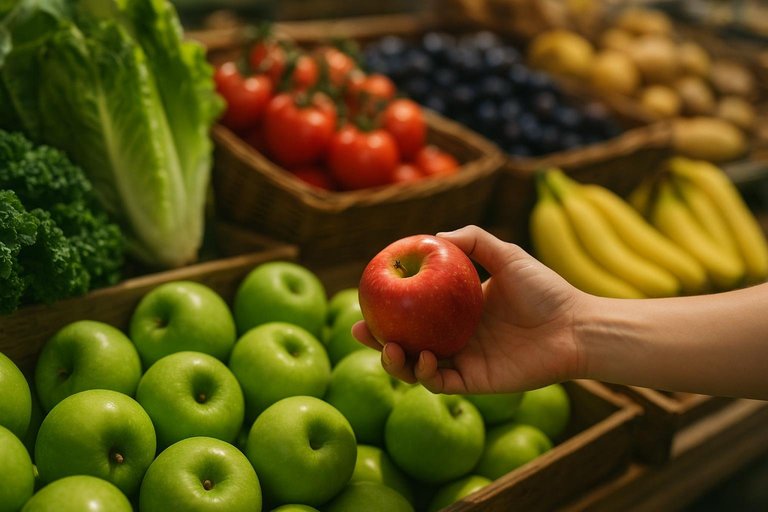
Every few months, a new “superfood” takes over headlines. One week it’s chia seeds, the next it’s açai berries or sea moss. While many trendy foods are nutritious, the healthiest diet doesn’t rely on a single miracle ingredient.
Instead, decades of nutrition research consistently point to the same group of foods that support heart health, brain function, healthy aging, and lower risks of chronic diseases.
Here are 15 of the healthiest foods you can include in your diet—and why they deserve a place on your plate.
1. Blueberries
Blueberries consistently rank among the most nutrient-dense fruits.
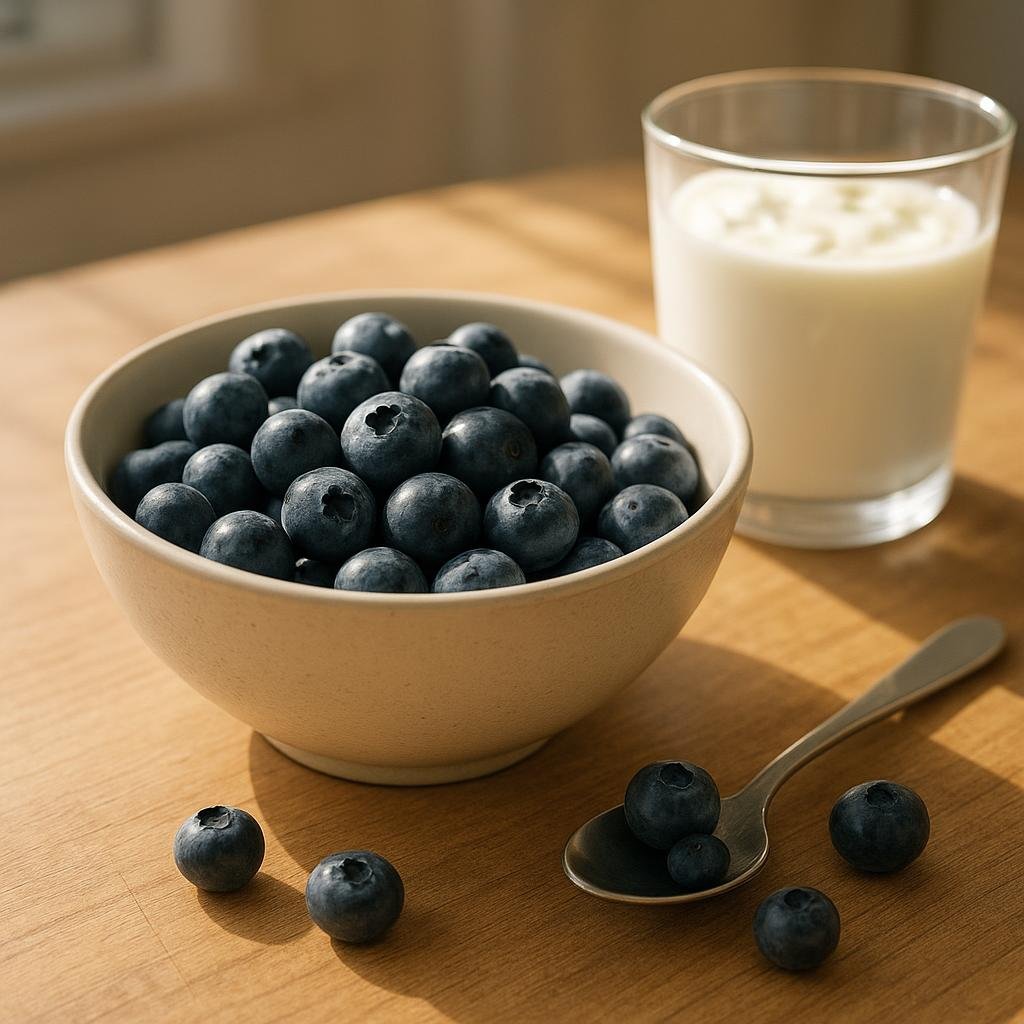
They are packed with:
- Fiber
- Vitamin C
- Vitamin K
- Manganese
- Anthocyanins (powerful antioxidants)
Research suggests diets rich in berries may help support heart health, healthy aging, memory, and blood sugar control.
Enjoy them:
- Fresh
- Frozen
- In oatmeal
- With yogurt
- In smoothies
2. Broccoli
Broccoli is one of the most nutritious vegetables you can eat.
It provides:
- Vitamin C
- Vitamin K
- Folate
- Fiber
- Potassium
- Sulforaphane, a natural plant compound being studied for its potential health benefits.
Other cruciferous vegetables—including cauliflower, Brussels sprouts, and cabbage—offer many of the same nutrients.
Light steaming helps preserve many beneficial compounds.
3. Leafy Greens
Spinach, kale, Swiss chard, collards, and other leafy greens are nutritional powerhouses.
They’re rich in:
- Vitamins A, C, and K
- Folate
- Magnesium
- Iron
- Lutein
- Zeaxanthin
Regular consumption has been associated with better heart health and may help support healthy vision as people age.
4. Fatty Fish
Salmon, sardines, trout, mackerel, and herring are among the best dietary sources of omega-3 fatty acids.
Omega-3s support:
- Heart health
- Brain function
- Eye health
- Healthy inflammation levels
Many health organizations recommend eating fatty fish two to three times per week.
5. Avocados
Despite being high in fat, avocados contain mostly heart-healthy monounsaturated fat.
They’re also an excellent source of:
- Fiber
- Potassium
- Folate
- Vitamin E
- Vitamin C
Avocados can help make meals more filling while supporting healthy cholesterol levels.
6. Olive Oil
Extra virgin olive oil is one of the foundations of the Mediterranean diet.

It contains:
- Monounsaturated fats
- Polyphenols
- Vitamin E
Replacing butter or other saturated fats with olive oil has been associated with improved heart health.
Use it for:
- Salads
- Roasted vegetables
- Whole-grain dishes
- Light cooking
7. Beans and Lentils
Beans, chickpeas, peas, and lentils provide an impressive combination of:
- Plant protein
- Fiber
- Iron
- Folate
- Potassium
Because they’re inexpensive, filling, and nutritious, legumes are one of the healthiest foods you can regularly eat.
8. Nuts
Almonds, walnuts, pistachios, pecans, and Brazil nuts all provide healthy fats, protein, fiber, vitamins, and minerals.
Different nuts offer different benefits.
For example:
- Almonds provide vitamin E.
- Walnuts are rich in omega-3 fats.
- Brazil nuts are exceptionally high in selenium.
A small handful each day is generally enough to gain their nutritional benefits.
9. Tomatoes
Tomatoes are the richest dietary source of lycopene, an antioxidant associated with heart health.
Interestingly, cooked tomatoes often provide more absorbable lycopene than raw tomatoes.
Good options include:
- Fresh tomatoes
- Tomato sauce
- Tomato soup
- Canned tomatoes (without excessive sodium)
10. Beets
Beets contain natural nitrates that the body can convert into nitric oxide.
Nitric oxide helps blood vessels relax, improving blood flow and potentially supporting exercise performance.
Both beet roots and beet greens are nutritious additions to meals.
11. Garlic
Garlic has been valued in cooking and traditional medicine for centuries.
It contains sulfur compounds that are being studied for potential benefits related to heart health and immune function.
Fresh garlic provides the strongest flavor, but cooked garlic still contributes valuable nutrients to a healthy diet.
12. Whole Grains
Whole grains provide:
- Fiber
- B vitamins
- Magnesium
- Iron
- Plant compounds
Healthier choices include:
- Oats
- Brown rice
- Quinoa
- Whole wheat
- Barley
Replacing refined grains with whole grains has been associated with a lower risk of heart disease, type 2 diabetes, and colorectal cancer.
13. Yogurt
Plain yogurt provides:
- Protein
- Calcium
- Vitamin B12
- Probiotics (in many varieties)
Choosing plain yogurt instead of flavored versions helps reduce added sugar intake while allowing you to add fresh fruit for natural sweetness.
14. Eggs
Eggs are one of the most nutrient-rich foods available.
They provide:
- High-quality protein
- Choline
- Vitamin B12
- Selenium
- Vitamin D (in small amounts)
For most healthy people, moderate egg consumption can be part of a balanced diet.
15. Fruit
No healthiest-food list would be complete without fruit.
Excellent choices include:
- Apples
- Oranges
- Mangos
- Strawberries
- Kiwi
- Grapes
- Pears
Different colors provide different vitamins, minerals, and plant compounds, so eating a variety of fruits is the best approach.
The Healthiest Diet Isn’t About One Food
While individual foods are important, research consistently shows that overall dietary patterns matter most.
Eating patterns such as the Mediterranean diet and DASH diet are associated with lower risks of:
- Heart disease
- Stroke
- Type 2 diabetes
- High blood pressure
- Some cancers
These eating patterns emphasize:
- Fruits
- Vegetables
- Whole grains
- Beans and legumes
- Nuts and seeds
- Healthy fats
- Fish
- Limited processed foods
Rather than searching for one perfect superfood, aim to include a variety of nutrient-rich foods every week.
How InSpoon Can Help
Even healthy foods can come in products with very different nutrition profiles. For example, one yogurt may contain little added sugar, while another contains several teaspoons.
The InSpoon app lets you scan packaged foods to quickly view nutrition information and ingredient insights, helping you compare products and choose healthier options while shopping.

Download InSpoon:
Frequently Asked Questions
What is the healthiest food overall?
There isn’t a single healthiest food. A healthy diet comes from eating a wide variety of nutrient-rich foods rather than relying on one “superfood.”
Are frozen fruits and vegetables healthy?
Yes. Frozen produce is often picked at peak ripeness and retains most of its nutrients, making it an excellent alternative to fresh produce.
How many servings of fruits and vegetables should I eat?
Most health organizations recommend eating several servings of fruits and vegetables every day, with as much variety as possible.
Do I need expensive superfoods?
No. Many affordable foods—including beans, oats, broccoli, carrots, apples, and frozen berries—are among the healthiest choices you can make.
Final Thoughts
The healthiest diet isn’t built around trendy ingredients—it’s built around consistently choosing nutritious whole foods.
Fruits, vegetables, whole grains, legumes, nuts, seeds, healthy fats, and fish provide the vitamins, minerals, fiber, protein, and healthy fats your body needs to thrive.
Rather than chasing the latest superfood, focus on eating a colorful variety of these foods throughout the week. Small, consistent choices add up to better long-term health.