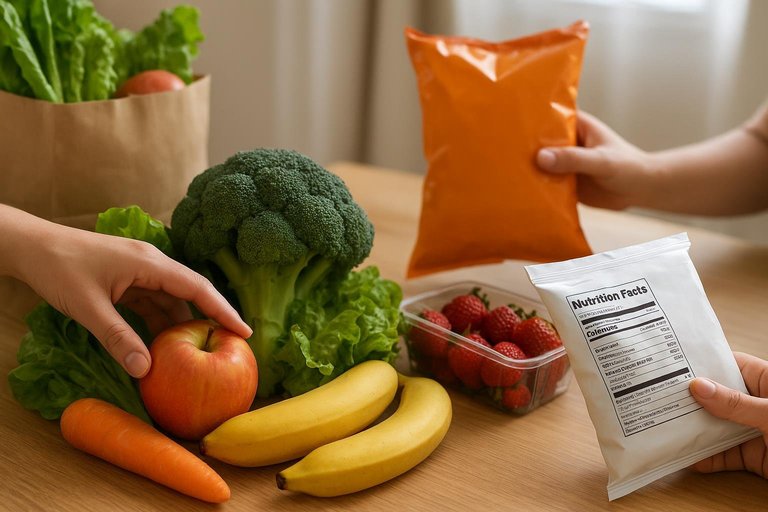
Helping children eat well doesn’t require a perfect diet or banning every treat. Instead, it’s about building healthy habits that support growth, learning, and long-term health.
Children need a wide variety of nutrients to fuel their rapidly growing bodies and developing brains. The foods they eat today can also shape their eating habits for years to come.
Here’s how to recognize healthier choices, which foods should be limited, and practical ways to encourage healthy eating without turning meals into a battle.
What Makes a Food Healthy?
Healthy foods provide important nutrients without excessive added sugar, sodium, or unhealthy fats.
Nutritious foods generally contain plenty of:
- Protein
- Fiber
- Vitamins
- Minerals
- Healthy fats
They also tend to be whole or minimally processed, meaning they stay closer to their natural form.
Examples include:
- Fruits
- Vegetables
- Whole grains
- Beans
- Eggs
- Fish
- Plain yogurt
- Nuts and seeds (when age-appropriate)
- Milk or fortified dairy alternatives
Healthy Foods Kids Should Eat More Often
Fruits
Fresh fruits provide:
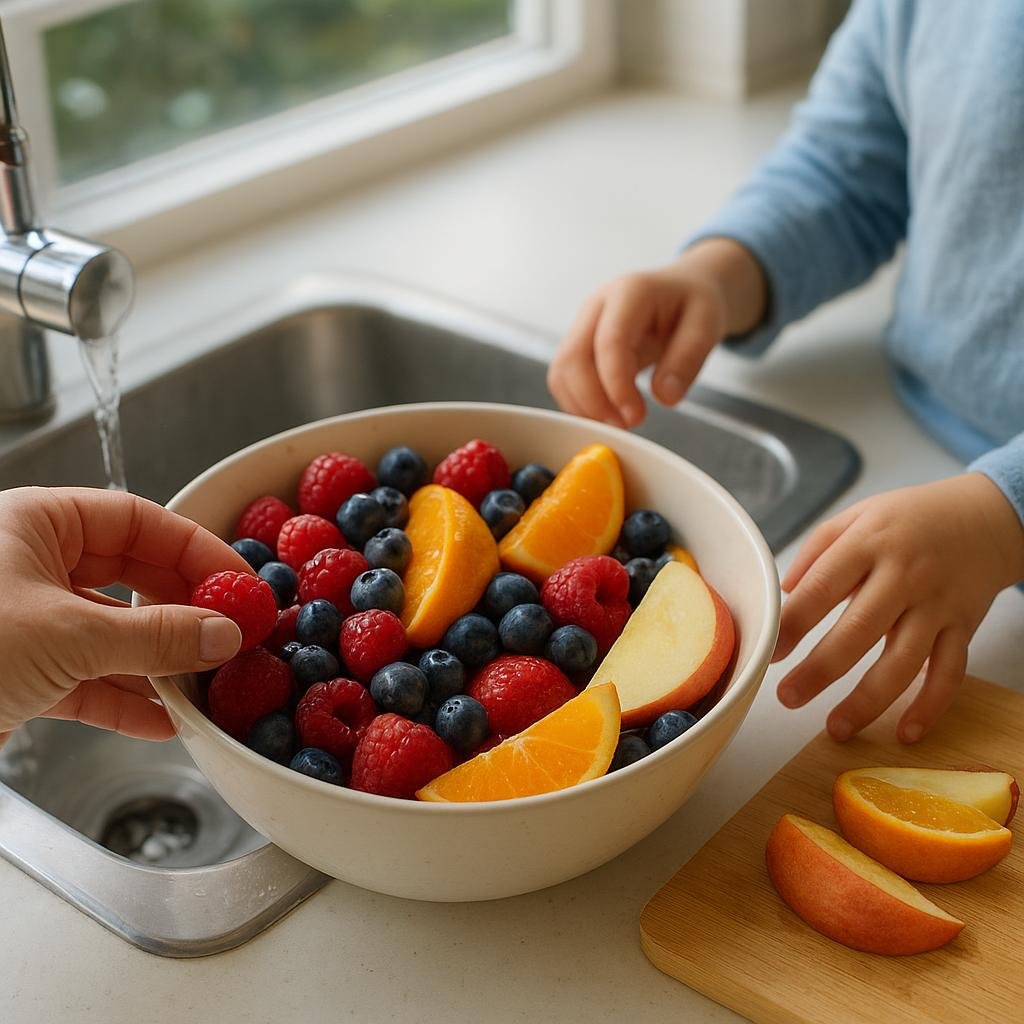
- Vitamin C
- Fiber
- Potassium
- Natural antioxidants
Great choices include:
- Apples
- Bananas
- Berries
- Oranges
- Pears
- Kiwi
- Mango
Whole fruit is generally a better choice than fruit juice because it contains more fiber.
Vegetables
The more colorful the vegetables, the better.
Offer a variety such as:
- Broccoli
- Carrots
- Cucumbers
- Bell peppers
- Tomatoes
- Spinach
- Peas
Don’t worry if children refuse a vegetable at first. Many kids need multiple exposures before accepting new foods.
Whole Grains
Whole grains digest more slowly and provide lasting energy.
Choose:
- Oatmeal
- Brown rice
- Whole-wheat bread
- Whole-grain pasta
- Quinoa
Instead of refined grains like white bread and white rice whenever possible.
Healthy Proteins
Protein supports growth, muscle development, and keeps kids full longer.
Healthy choices include:
- Eggs
- Chicken
- Turkey
- Fish
- Beans
- Lentils
- Tofu
- Plain Greek yogurt
Nut butters can also be excellent choices for children without allergies.
Healthy Fats
Children need fat for healthy brain development.
Focus on unsaturated fats from:
- Avocados
- Olive oil
- Nuts
- Seeds
- Fatty fish
These are healthier choices than foods high in saturated fat or trans fat.
Foods to Limit
No food needs to be completely forbidden, but some foods are best enjoyed only occasionally.
These include:
Sugary Drinks
Examples:
- Soda
- Fruit drinks
- Sports drinks
- Energy drinks
Water should be the primary drink throughout the day.
Candy and Sweets
Cookies, candy, cakes, and desserts can certainly fit into family life—but they shouldn’t become everyday snacks.
Highly Processed Snacks
Many packaged snacks contain:
- Added sugar
- Excess sodium
- Refined grains
- Artificial additives
Examples include:
- Potato chips
- Cheese puffs
- Sugary cereals
- Snack cakes
Processed Meats
Try to limit foods such as:
- Hot dogs
- Sausages
- Bacon
- Deli meats
Choosing fresh poultry, fish, eggs, or beans more often is a healthier approach.
Build a Balanced Plate
A simple way to plan meals is:
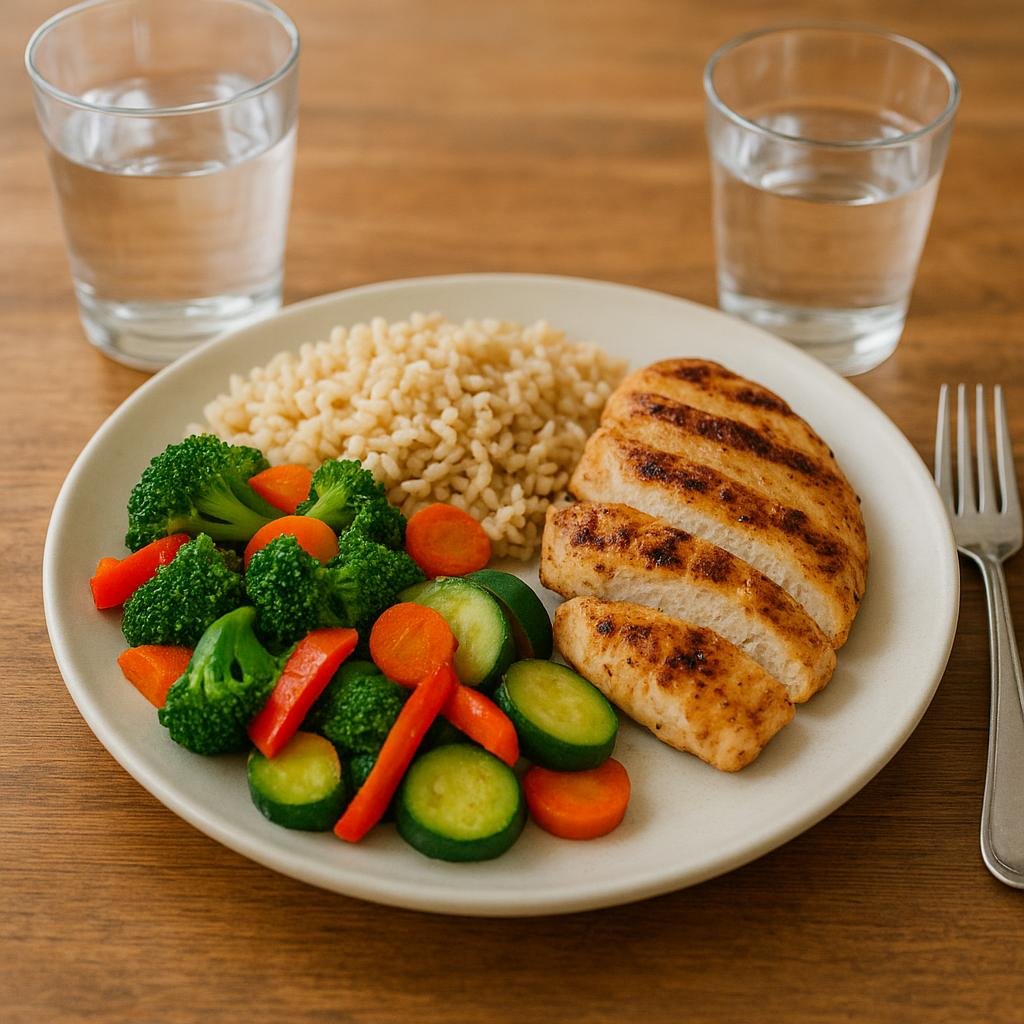
Half the plate
- Fruits and vegetables
One quarter
- Whole grains
One quarter
- Healthy protein
Serve water or milk alongside meals instead of sugary drinks.
Healthy Eating Habits Matter Too
Nutrition isn’t only about what children eat—it’s also about how they eat.
Healthy habits include:
- Eating together as a family whenever possible.
- Sitting at the table without TV or tablets.
- Offering regular meals and snack times.
- Letting children decide how much to eat from what’s served.
- Introducing new foods without pressure.
Children learn eating habits by watching the adults around them.
What Parents Should Avoid
Experts generally recommend avoiding these common mistakes:
– Forcing children to clean their plates.
– Using dessert as a reward.
– Labeling foods as “good” or “bad.”
– Criticizing body size or weight.
– Allowing constant grazing throughout the day.
– Offering the same foods every day because they’re “safe.”
These practices can interfere with children’s natural hunger and fullness cues.
Tips for Picky Eaters
Picky eating is common, especially in toddlers and preschoolers.
Helpful strategies include:
- Serve one new food with familiar favorites.
- Keep portions small.
- Let children help prepare meals.
- Continue offering foods without pressure.
- Be patient—acceptance often takes many attempts.
Remember: it’s normal for children to reject new foods at first.
Healthy Snack Ideas
Nutritious snacks can include:
- Apple slices with peanut butter
- Greek yogurt with berries
- Carrots and hummus
- Hard-boiled eggs
- Cheese and whole-grain crackers
- Fresh fruit
- Cottage cheese
- Homemade trail mix
- Air-popped popcorn (for older children)
- Banana with almond butter
Pairing protein with fruits or vegetables helps keep kids satisfied longer.
Physical Activity Is Part of Healthy Living
Healthy eating works best alongside daily movement.
Children should spend plenty of time:
- Running
- Playing outdoors
- Riding bikes
- Swimming
- Dancing
- Playing sports
Limiting recreational screen time also supports overall health.
How InSpoon Can Help Parents
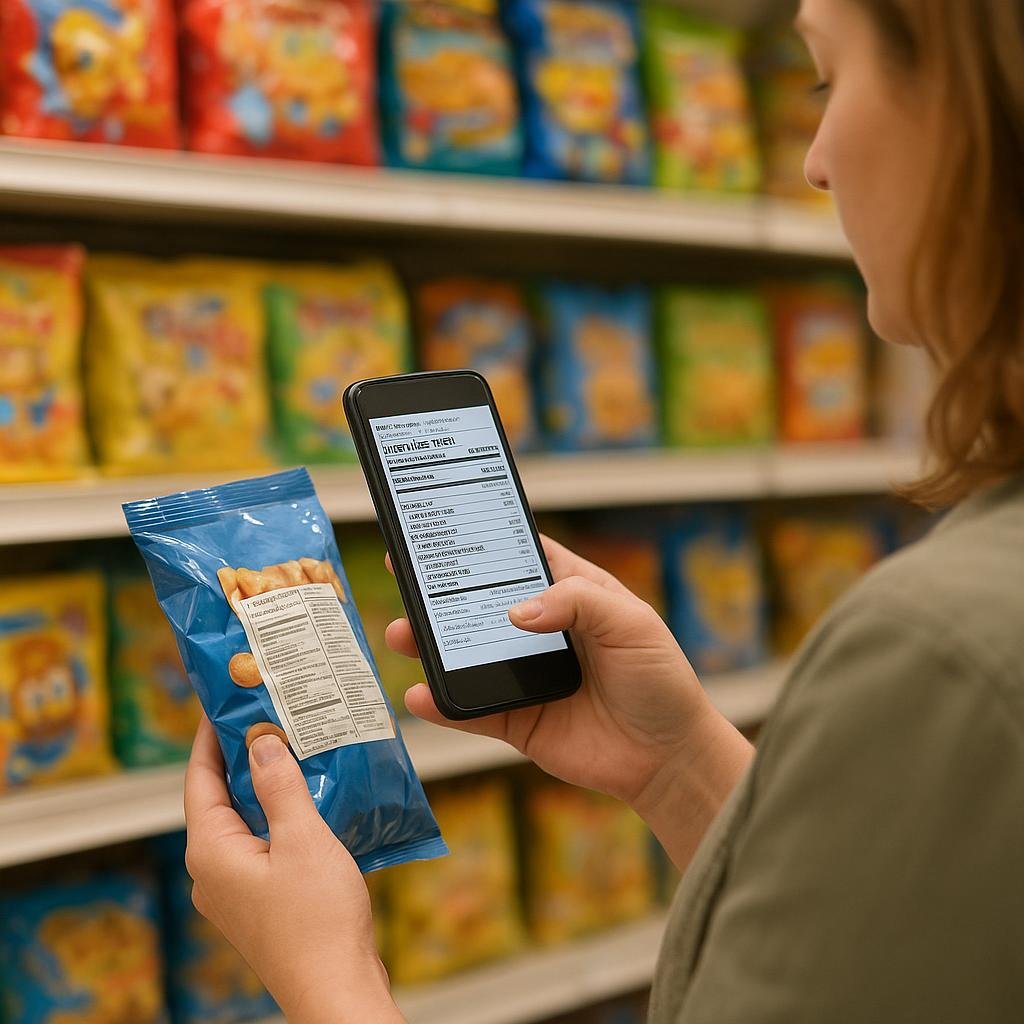
Many foods marketed to children look healthy but contain surprising amounts of added sugar, sodium, or highly processed ingredients.
The InSpoon app lets you scan packaged foods to quickly review nutrition information, ingredients, food additives, and an easy-to-understand health score, making it easier to compare products and choose healthier options for your family.
Download InSpoon:
Frequently Asked Questions
What are the healthiest foods for kids?
A balanced diet built around fruits, vegetables, whole grains, healthy proteins, dairy or fortified alternatives, and healthy fats provides most of the nutrients children need.
Are treats okay?
Yes. Occasional sweets can fit into a healthy eating pattern. The focus should be on overall diet quality rather than perfection.
Should children drink fruit juice?
Whole fruit is generally a better choice because it contains fiber. If juice is offered, keep portions small and choose 100% fruit juice without added sugar.
How can I encourage healthy eating?
Model healthy eating yourself, offer a variety of nutritious foods, avoid pressure, and involve children in grocery shopping and meal preparation.
Final Thoughts
Healthy eating for kids isn’t about strict rules or perfect meals. It’s about creating a positive food environment where nutritious choices become part of everyday life.
By serving a variety of whole foods, limiting highly processed snacks, encouraging family meals, and letting children develop healthy eating habits at their own pace, parents can help set the foundation for a lifetime of good health.