Healthy eating is important at every stage of life, but it becomes even more essential as we age. Good nutrition helps older adults maintain strength, protect bones, support brain health, and reduce the risk of chronic diseases.
Although many people need fewer calories as they get older, their need for vitamins, minerals, protein, and other nutrients remains the same—or even increases.
The key is making every calorie count.
Here’s what older adults should know about healthy nutrition.
Why Nutrition Changes With Age
As we grow older, our bodies naturally change.
These changes may include:
- Loss of muscle mass
- Slower metabolism
- Reduced physical activity
- Changes in taste and smell
- Lower appetite
- Reduced thirst
- Difficulty chewing or swallowing
- Reduced absorption of certain nutrients
Because of these changes, eating the same way you did at 30 or 40 may no longer meet your nutritional needs.
Focus on Nutrient-Dense Foods
Since calorie needs often decrease with age, choosing foods rich in nutrients becomes even more important.
Aim to fill your plate with:
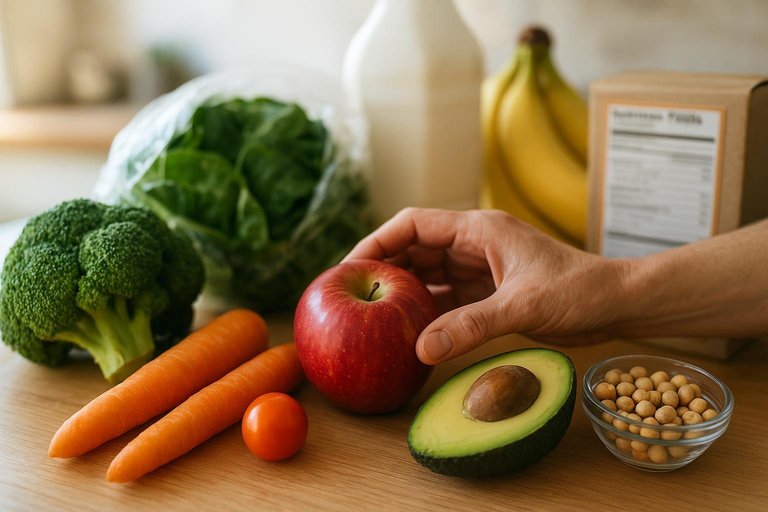
- Vegetables
- Fruits
- Whole grains
- Lean proteins
- Beans and legumes
- Nuts and seeds
- Low-fat dairy or fortified alternatives
- Healthy oils like olive oil
These foods provide vitamins, minerals, protein, fiber, and healthy fats without excessive added sugar or saturated fat.
Protein Becomes More Important
One of the biggest nutritional priorities for older adults is getting enough protein.

Age-related muscle loss (called sarcopenia) can reduce strength, mobility, and independence.
Good protein sources include:
- Fish
- Chicken
- Turkey
- Eggs
- Greek yogurt
- Cottage cheese
- Beans
- Lentils
- Tofu
Including protein at every meal can help support muscle maintenance.
Eat Plenty of Fruits and Vegetables
Fruits and vegetables provide:
- Fiber
- Vitamin C
- Potassium
- Folate
- Antioxidants
Aim for a variety of colors throughout the week.
Frozen fruits and vegetables are nutritious, affordable, and often just as healthy as fresh options.
Choose Whole Grains
Whole grains provide:
- Fiber
- B vitamins
- Magnesium
Good choices include:
- Oatmeal
- Brown rice
- Whole-wheat bread
- Quinoa
- Whole-grain pasta
Replacing refined grains with whole grains may support heart health and digestive health.
Don’t Forget Healthy Fats
Healthy fats support heart and brain health.
Choose more:
- Olive oil
- Avocados
- Nuts
- Seeds
- Fatty fish like salmon and sardines
Try to limit foods high in saturated fat and avoid trans fats whenever possible.
Calcium and Vitamin D Support Bone Health
Bone density naturally declines with age, increasing the risk of fractures.
Calcium-rich foods include:
- Milk
- Yogurt
- Cheese
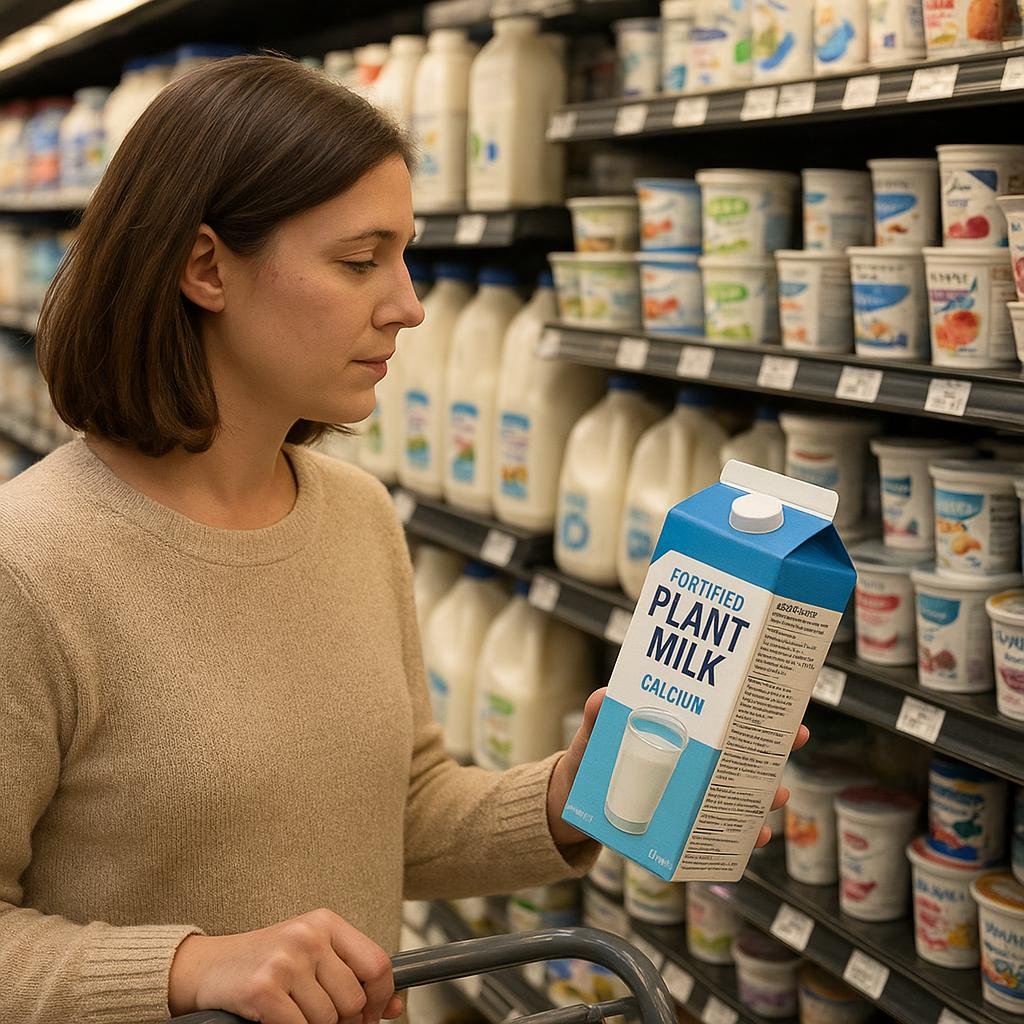
- Fortified plant-based beverages
- Tofu made with calcium
- Leafy green vegetables
Vitamin D helps the body absorb calcium.
Sources include:
- Fatty fish
- Fortified dairy products
- Fortified cereals
- Sunlight exposure
Some older adults may benefit from supplements, but these should be discussed with a healthcare provider.
Vitamin B12 Matters Too
Vitamin B12 supports:
- Nerve function
- Brain health
- Red blood cell production
As people age, the body becomes less efficient at absorbing vitamin B12 from food.
Good sources include:
- Fish
- Meat
- Eggs
- Dairy products
- Fortified breakfast cereals
If a deficiency is suspected, a healthcare provider may recommend supplements.
Stay Hydrated
Older adults are more likely to become dehydrated because the sensation of thirst often decreases with age.
Signs of dehydration may include:
- Fatigue
- Confusion
- Constipation
- Dry mouth
- Dark urine
Water should remain the primary beverage throughout the day.
Unsweetened tea, milk, and other low-sugar beverages can also contribute to daily fluid intake.
Foods to Limit
Healthy eating doesn’t require avoiding all treats, but some foods should be eaten less often.
Try to limit:
- Sugary drinks
- Candy
- Cakes and pastries
- Highly processed snack foods
- Processed meats
- Excess sodium
- Foods high in saturated fat
These foods often provide plenty of calories but relatively few nutrients.
Common Challenges Older Adults Face
Healthy eating isn’t always easy.
Common obstacles include:
- Living alone
- Reduced appetite
- Dental problems
- Difficulty shopping or cooking
- Limited income
- Medication side effects
- Reduced taste and smell
- Chronic illnesses
Recognizing these challenges is the first step toward finding practical solutions.
Simple Tips for Healthy Eating
Small changes can make a big difference.
Try to:
- Eat regular meals instead of skipping them.
- Include protein with every meal.
- Keep healthy snacks available.
- Choose colorful fruits and vegetables.
- Stay physically active if possible.
- Drink water throughout the day—even if you don’t feel thirsty.
- Eat with family or friends when possible.
If preparing meals becomes difficult, consider community meal programs or grocery delivery services.
What About Supplements?
Many older adults take vitamins or dietary supplements.
While certain nutrients—such as vitamin D or calcium—may be recommended for some people, supplements should not replace a healthy diet.
Some supplements can also interact with medications.
Before starting any supplement, talk with your healthcare provider.
How InSpoon Can Help
Many packaged foods marketed to older adults contain surprisingly high amounts of sodium, added sugar, or highly processed ingredients.
The InSpoon app lets you scan packaged foods to quickly review nutrition facts, ingredients, food additives, and an easy-to-understand health score, helping you make informed choices while shopping.

Download InSpoon:
Frequently Asked Questions
Why do older adults need fewer calories?
As we age, muscle mass and physical activity often decrease, slowing metabolism. This means many older adults burn fewer calories than they did when they were younger.
What nutrients are especially important after age 60?
Protein, calcium, vitamin D, vitamin B12, fiber, and potassium are among the nutrients that deserve extra attention in older adults.
How much water should seniors drink?
Fluid needs vary depending on health, medications, activity level, and climate. Because thirst often decreases with age, it’s important to drink fluids regularly throughout the day instead of waiting until you feel thirsty.
Is it too late to improve my diet?
Not at all. Research consistently shows that healthier eating patterns can improve health and quality of life at any age.
Final Thoughts
Healthy nutrition plays a major role in maintaining strength, independence, and overall well-being as we age.
By choosing nutrient-dense foods, eating enough protein, staying hydrated, and limiting highly processed foods, older adults can support healthy aging and reduce the risk of many chronic diseases.
It’s never too late to make healthier choices—small improvements made consistently can have meaningful long-term benefits.