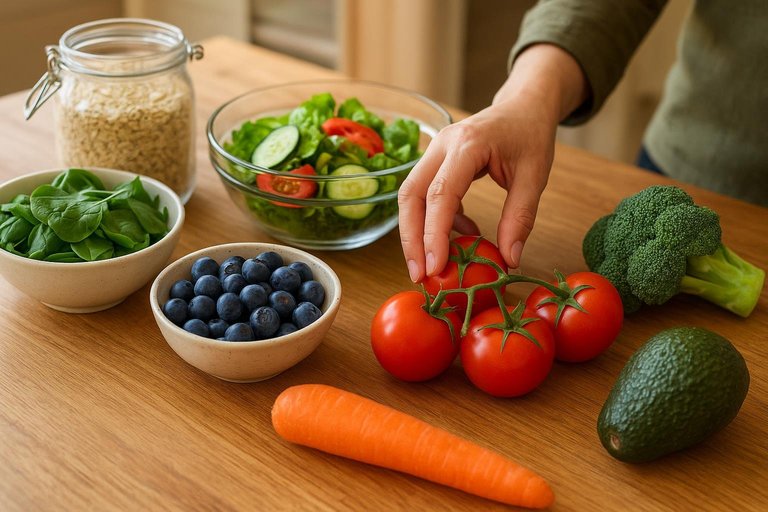
Successful weight loss isn’t about starving yourself or cutting out entire food groups. The most effective approach is choosing foods that keep you full while helping you maintain a calorie deficit.
Research consistently shows that creating a sustainable calorie deficit is the most important factor for weight loss. However, the types of foods you eat can make that calorie deficit much easier to maintain by reducing hunger and improving satisfaction.
Here’s how to build a weight-loss-friendly diet that you can actually stick with.
The Secret: Eat More Food for Fewer Calories
One of the easiest ways to lose weight without feeling constantly hungry is to choose foods with low energy density.
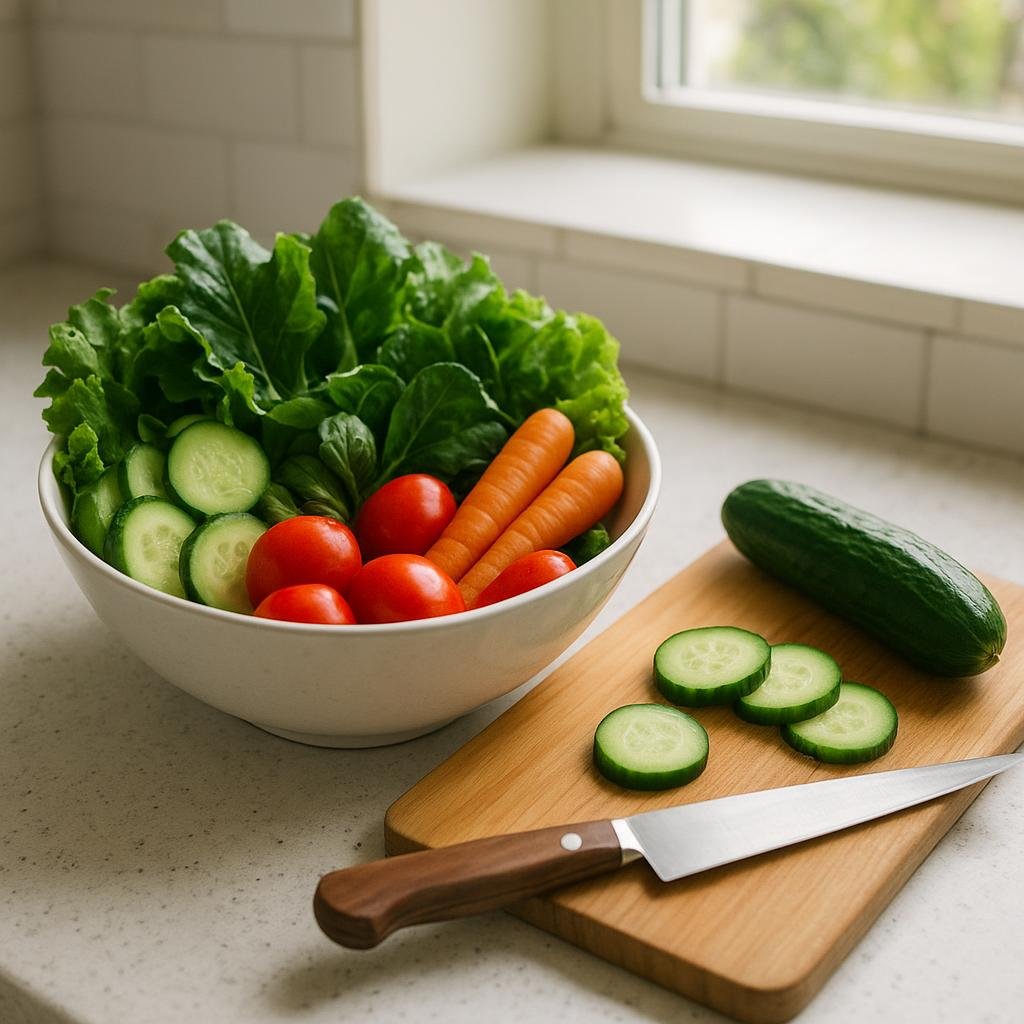
Energy density simply means how many calories are packed into a certain amount of food.
- Low energy density: Large portions with relatively few calories.
- High energy density: Small portions with many calories.
For example:
- 1 cup of grapes contains about 100 calories
- 1 cup of raisins contains nearly 500 calories
Both come from grapes, but the fresh fruit contains much more water, making it much more filling.
Fill Half Your Plate with Vegetables
Vegetables are among the best foods for weight loss because they provide:
- Fiber
- Water
- Vitamins
- Minerals
while remaining naturally low in calories.
Excellent choices include:
- Broccoli
- Spinach
- Cauliflower
- Zucchini
- Bell peppers
- Cucumbers
- Tomatoes
- Mushrooms
- Green beans
Adding vegetables to meals helps increase fullness without adding many calories.
Eat Plenty of Fruit
Fruit satisfies a sweet tooth while providing fiber and nutrients.
Great options include:
- Apples
- Berries
- Oranges
- Peaches
- Kiwi
- Pears
- Grapefruit
Whole fruit is generally a better choice than fruit juice because it contains fiber that slows digestion and promotes fullness.
Although dried fruit is nutritious, it contains much more sugar and calories per serving than fresh fruit, so portion sizes matter.
Prioritize Protein
Protein is one of the most filling nutrients.
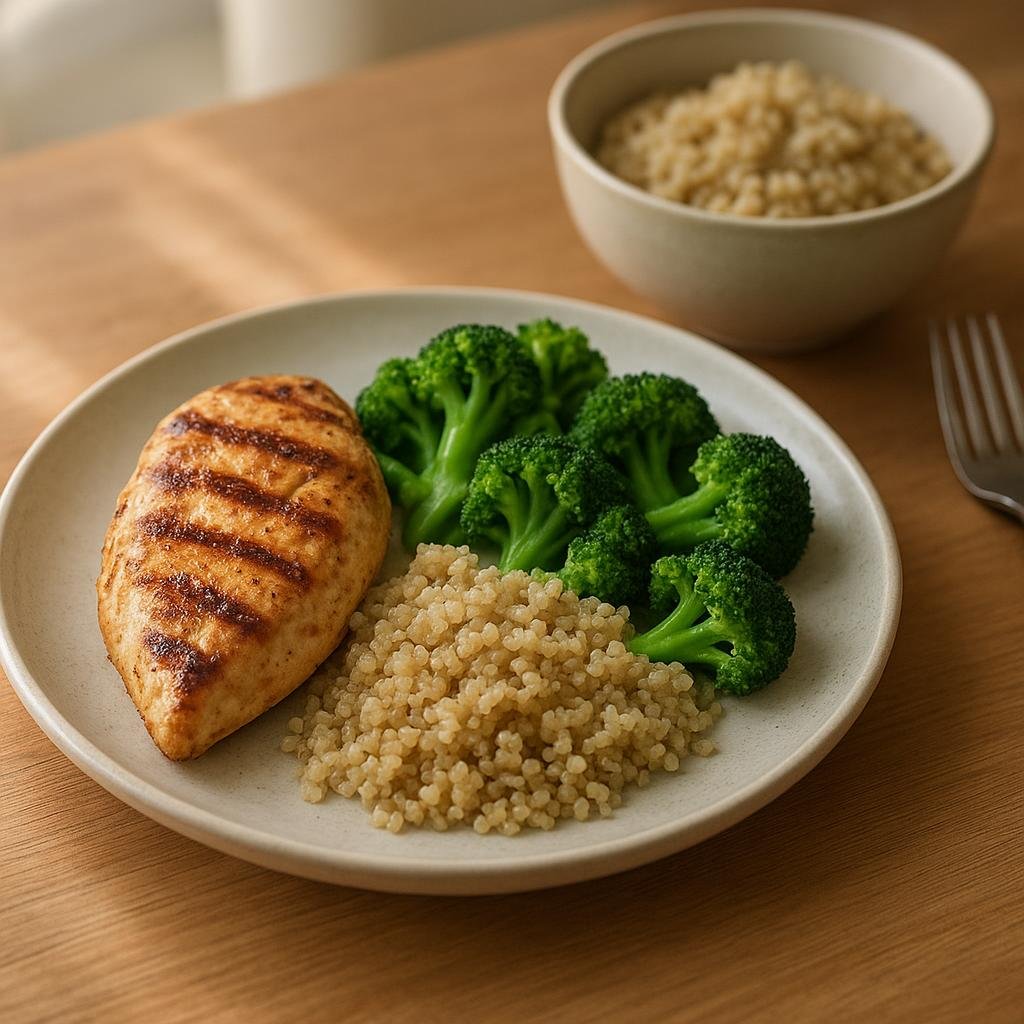
Higher-protein diets may increase satiety, help preserve muscle during weight loss, and make it easier to maintain weight loss over time.
Healthy protein sources include:
- Chicken breast
- Turkey
- Fish
- Eggs
- Greek yogurt
- Cottage cheese
- Tofu
- Lentils
- Beans
- Edamame
Try including protein with every meal.
Choose Whole Grains
Whole grains digest more slowly than refined grains.
Better choices include:
- Oatmeal
- Brown rice
- Quinoa
- Whole-wheat bread
- Whole-grain pasta
These foods provide fiber that helps you stay full longer.
Include Healthy Fats
Fat contains more calories than protein or carbohydrates, but healthy fats can still support weight loss by increasing meal satisfaction.
Choose moderate portions of:
- Avocados
- Olive oil
- Nuts
- Seeds
- Natural nut butters
Because fats are calorie-dense, portion size is important.
Beans and Legumes Are Weight-Loss Superstars
Beans combine two nutrients that help control hunger:
- Protein
- Fiber
Excellent options include:
- Black beans
- Chickpeas
- Lentils
- Kidney beans
- Split peas
They’re inexpensive, versatile, and highly filling.
Healthy Snacks That Keep You Full
Instead of highly processed snacks, try:
- Apple with peanut butter
- Greek yogurt and berries
- Cottage cheese and fruit
- Hard-boiled eggs
- Baby carrots and hummus
- Air-popped popcorn
- Roasted chickpeas
- Edamame
These provide a better balance of nutrients than many packaged snack foods.
Foods to Limit
No food has to be completely off-limits, but some foods make it easier to overeat because they’re high in calories and less filling.
Try limiting:
- Sugary drinks
- Candy
- Cookies
- Cakes
- Chips
- Fast food
- Fried foods
- Pastries
- Ice cream
These foods are often high in calories while providing relatively little protein or fiber.
Which Diet Is Best for Weight Loss?
Many eating patterns can support weight loss if they help create a calorie deficit.
Research shows there isn’t one single “best” diet for everyone.
Examples include:
- Mediterranean diet
- DASH diet
- Lower-carbohydrate diets
- Lower-fat diets
- Higher-protein diets
Among these, the Mediterranean diet has some of the strongest evidence for supporting long-term weight management while also improving heart health.
The best diet is the one you can maintain consistently.
Don’t Forget Meal Timing
While total calorie intake matters most, eating habits may also play a role.
Some research suggests that:
- Eating a satisfying breakfast
- Avoiding frequent late-night eating
- Maintaining regular meal patterns
may support healthy weight management.
Weight Loss Is About Long-Term Habits
Instead of focusing on quick fixes:
- Eat mostly whole foods.
- Include vegetables at most meals.
- Prioritize protein.
- Choose whole grains.
- Drink water instead of sugary beverages.
- Stay physically active.
- Be patient and consistent.
Healthy weight loss is usually gradual.
How InSpoon Can Help
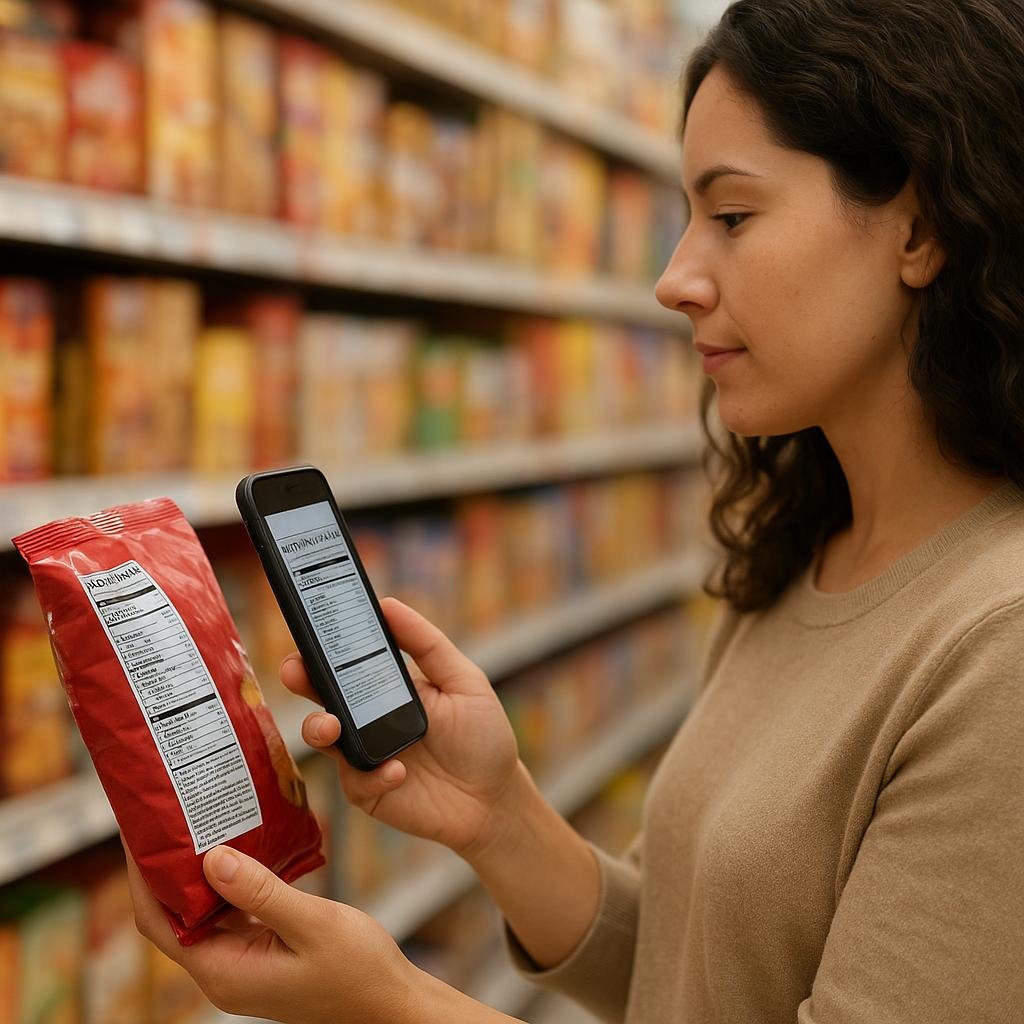
Many packaged foods marketed as “healthy,” “low fat,” “high protein,” or “diet-friendly” can still contain large amounts of added sugar, sodium, or highly processed ingredients.
The InSpoon app lets you scan packaged foods to instantly review nutrition facts, ingredients, food additives, and an easy-to-understand health score, helping you compare products and make healthier choices while shopping.
Download InSpoon:
Frequently Asked Questions
What foods help you lose weight the fastest?
No single food causes weight loss. The most helpful foods are those that keep you full while helping you maintain a calorie deficit, such as vegetables, fruits, lean proteins, beans, and whole grains.
Should I avoid carbohydrates?
Not necessarily. Whole-food sources of carbohydrates, including fruits, vegetables, legumes, and whole grains, are part of healthy weight-loss diets. Highly refined carbohydrates and sugary foods are generally the better targets to reduce.
Is protein important for weight loss?
Yes. Protein helps increase fullness and supports muscle maintenance while losing weight, making it an important part of most weight-loss plans.
Can I still eat dessert?
Yes. Weight loss doesn’t require eliminating all treats. Enjoying desserts occasionally in reasonable portions can fit into a balanced eating pattern.
Final Thoughts
Healthy weight loss isn’t about eating as little as possible—it’s about choosing foods that provide the greatest nutrition and satisfaction for the calories they contain.
By filling your plate with vegetables, fruits, lean proteins, whole grains, and healthy fats, you can stay fuller, reduce hunger, and build eating habits that support long-term success rather than short-term dieting.