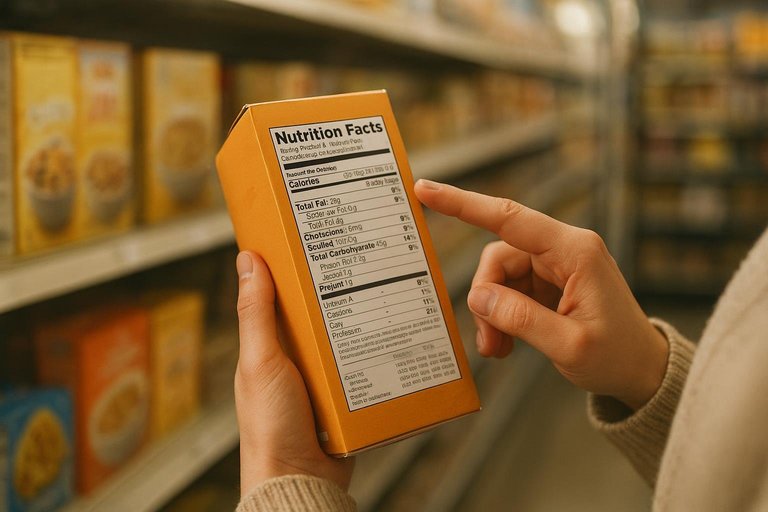
I used to fall for the same trick every grocery trip.
If a package said low fat, organic, gluten free, or natural, I gave it a little halo in my head. Good choice. Responsible choice. Probably the kind of thing people put in their cart right before becoming the sort of person who wakes up early for yoga.
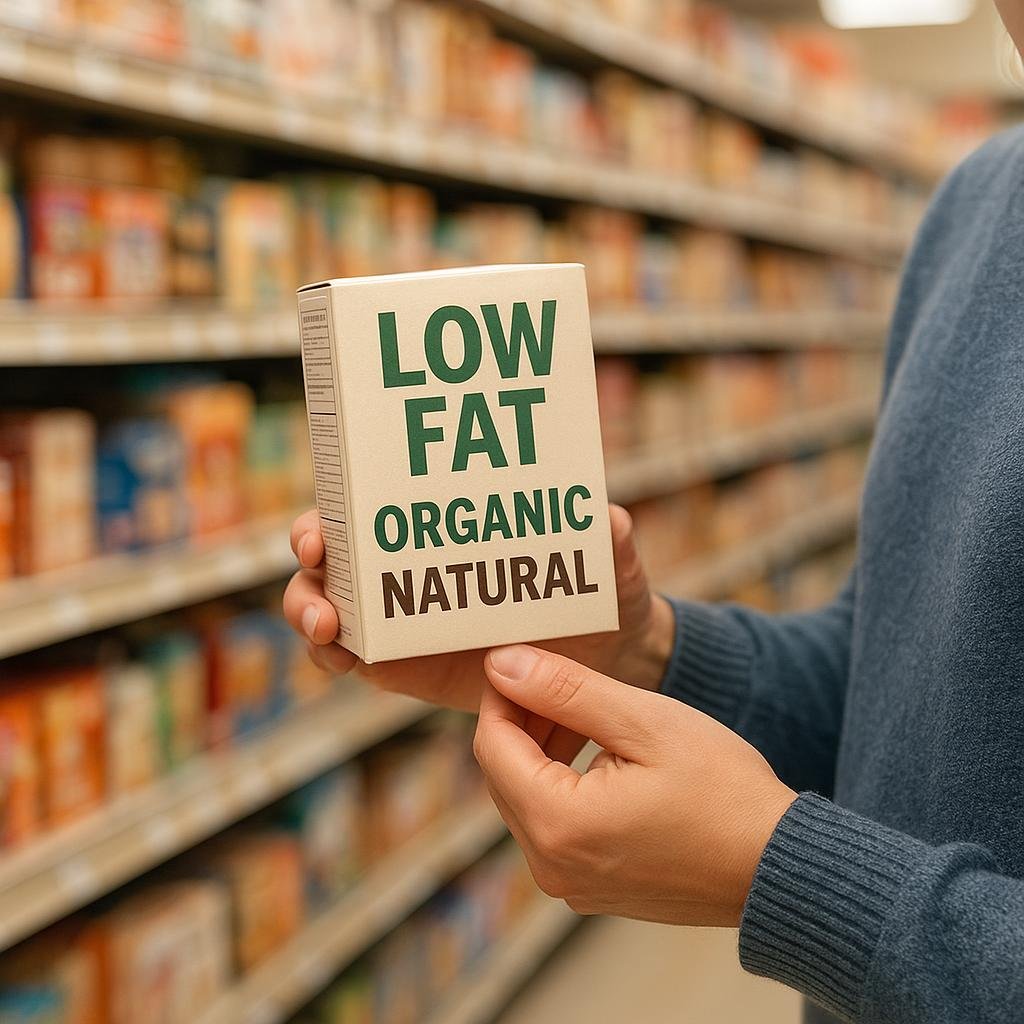
Then I started noticing something rude: some of those “good” foods left me hungry an hour later. Some were weirdly easy to overeat. And some had nutrition labels that looked like they belonged to dessert wearing a fake mustache.
The food that sounds healthy isn’t always the one that helps
Food marketing is brilliant at making one tiny detail sound like the whole story.
A product can be:
– low fat
– fat free
– organic
– gluten free
– natural
…and still pack a lot of calories, added sugar, refined carbs, saturated fat, or sodium.
That’s the part the front of the box doesn’t like to mention.
The box wants you to feel something. The nutrition label tells you what you’re actually buying.
So the useful questions are much less glamorous:
– How many calories are in this?
– What counts as one serving?
– How much added sugar is hiding in here?
– How much saturated fat?
– How much sodium?
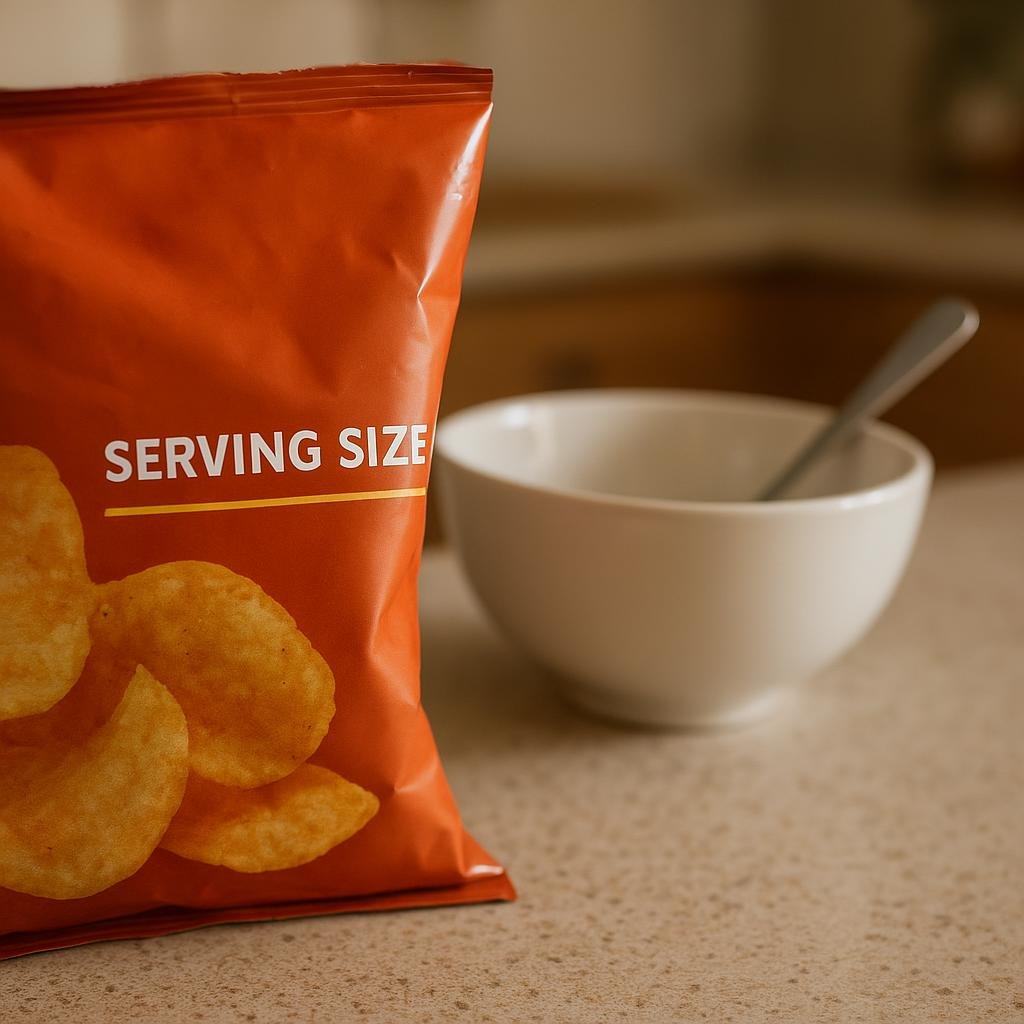
That “serving size” line is especially sneaky. Sometimes the number on the front feels reasonable right up until you realize the package contains two or three servings, and you were absolutely planning to eat it like a normal human, not divide it into laboratory portions.
The real plot twist is what makes you full
This was the part I got backwards.
I assumed managing calories meant white-knuckling hunger, eating less, and trying not to think about chips. But one of the biggest advantages you can give yourself is eating foods that actually keep you full.
And protein is very good at that.
Including protein in meals can help:
– reduce hunger
– protect muscle while losing weight
– make it easier to keep weight off over time
That changes the whole game. Because now the question isn’t just “How do I eat less?” It’s “How do I stop being ravenous at 4 p.m.?”
The foods that tend to help are not mysterious:
– chicken
– fish
– eggs
– Greek yogurt
– cottage cheese
– beans
– lentils
– tofu
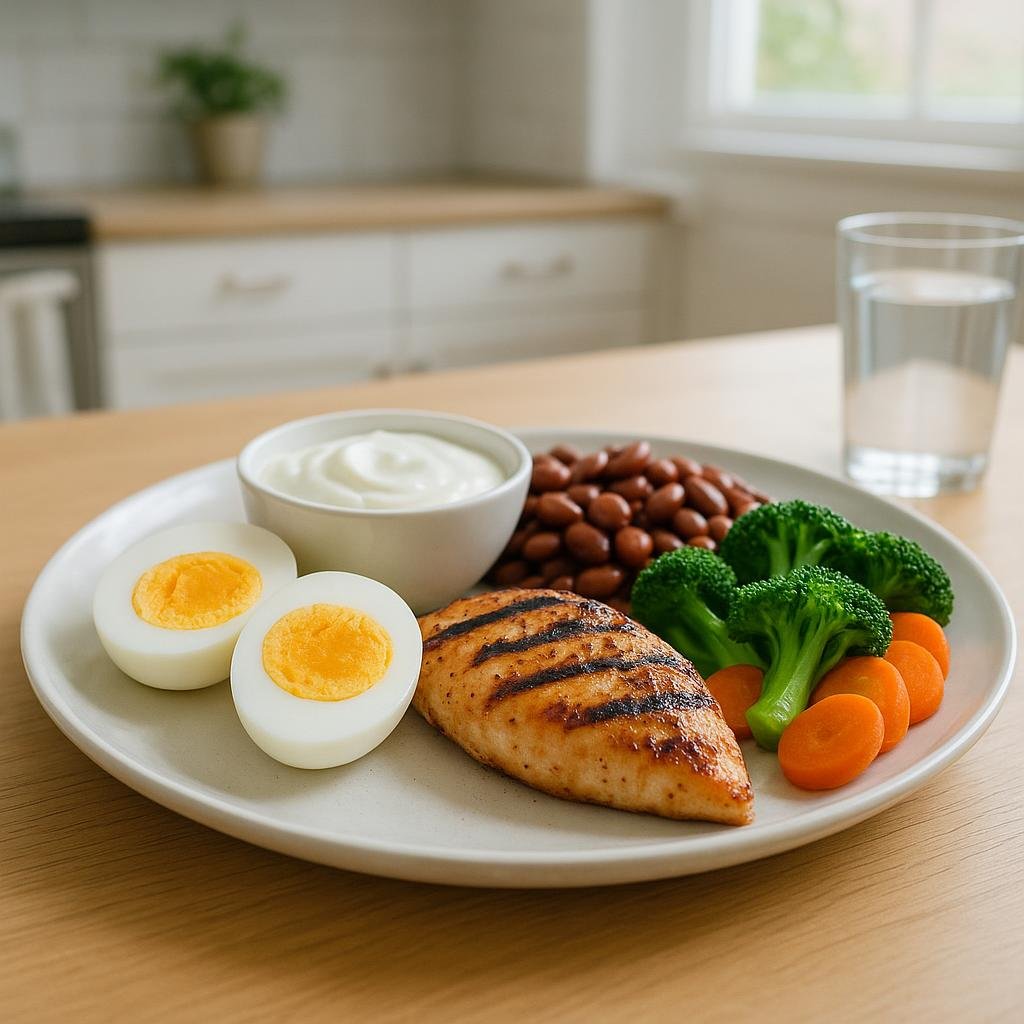
This is also why two foods with the same calories can feel completely different in real life. A heavily processed snack and a protein-rich meal may deliver similar energy on paper. But your body does not file them under the same experience.
One keeps the peace. The other starts negotiations for a second snack.
You do not need to become a full-time calorie accountant
This was another surprise.
A lot of people manage their weight without tracking every bite forever. Calorie tracking can help some people, sure. But it’s not the only road out of the maze.
Simple habits do a lot of heavy lifting:
– eat regular meals
– fill half your plate with vegetables
– choose mostly whole foods
– limit sugary drinks
– pay attention to portions
– stay active most days
That last one matters more than people like to admit. Exercise doesn’t replace decent eating, but it does work with it. It helps burn energy, supports heart health, helps maintain muscle, and makes long-term weight maintenance more realistic.
It also doesn’t need a cinematic training montage. Walking counts. Cycling counts. Swimming counts. Strength training counts. Doing something you’ll actually repeat counts most of all.
And no, the winning strategy is not eating almost nothing. Extremely low-calorie diets can backfire fast. They can leave you tired, undernourished, and more likely to lose muscle.
The label wasn’t the answer. The pattern was.
The thing that finally clicked for me was almost annoying in its simplicity.
There is no magical diet with special powers. Long-term success usually comes from doing the boring things consistently enough that they become normal. Not perfectly. Just regularly.
The “healthy” label on the front of the package was never the deciding factor. The bigger clues were whether the food was filling, how much I was actually eating, and whether I could keep the habit going without feeling miserable.
So the twist was this: I didn’t need to find the most virtuous-looking food in the store. I needed fewer foods that tricked me into eating more, more meals built around protein, and enough consistency to stop treating every choice like a final exam.
How InSpoon Can Help
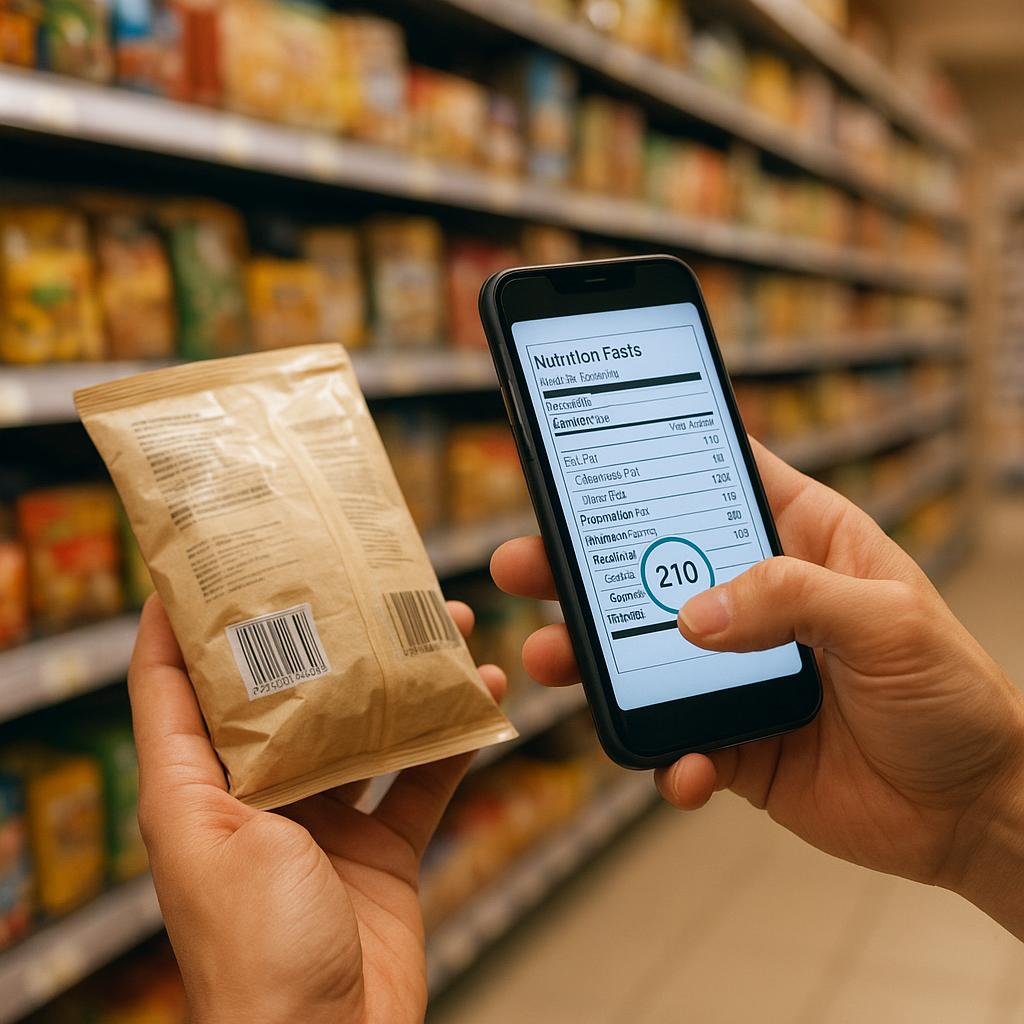
With InSpoon you can easily see the product contents for all – per serving, per 100g and per package and make the decisions safer.
The InSpoon app lets you scan packaged foods to instantly see calories, nutrition facts, ingredients, food additives, and an easy-to-understand health score—making it easier to compare products and better options while shopping.
Download InSpoon FREE: