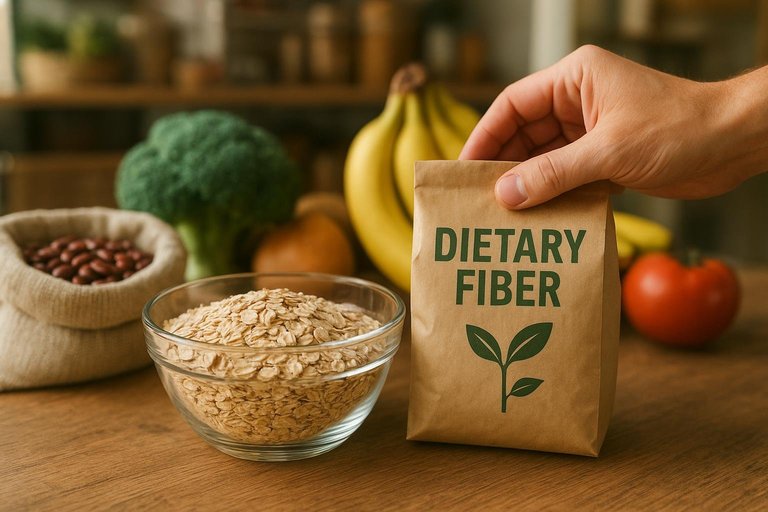
Most people know fiber helps keep digestion regular. But that’s only one of its many benefits.
A diet rich in fiber may also help support heart health, improve blood sugar control, promote fullness, and make it easier to maintain a healthy weight. Despite these benefits, most adults don’t get enough fiber each day.
Fortunately, increasing your fiber intake doesn’t have to be difficult. Small changes like choosing whole grains, adding beans to meals, or snacking on fruit can make a big difference.
What Is Fiber?
Fiber is a type of carbohydrate found in plant foods that your body cannot fully digest.
Unlike other carbohydrates, fiber passes through your digestive system largely intact.
There are two main types of dietary fiber.
Soluble Fiber
Soluble fiber dissolves in water to form a gel-like substance.
It may help:
- Lower LDL (“bad”) cholesterol
- Slow digestion
- Improve blood sugar control
- Increase feelings of fullness
Foods high in soluble fiber include:
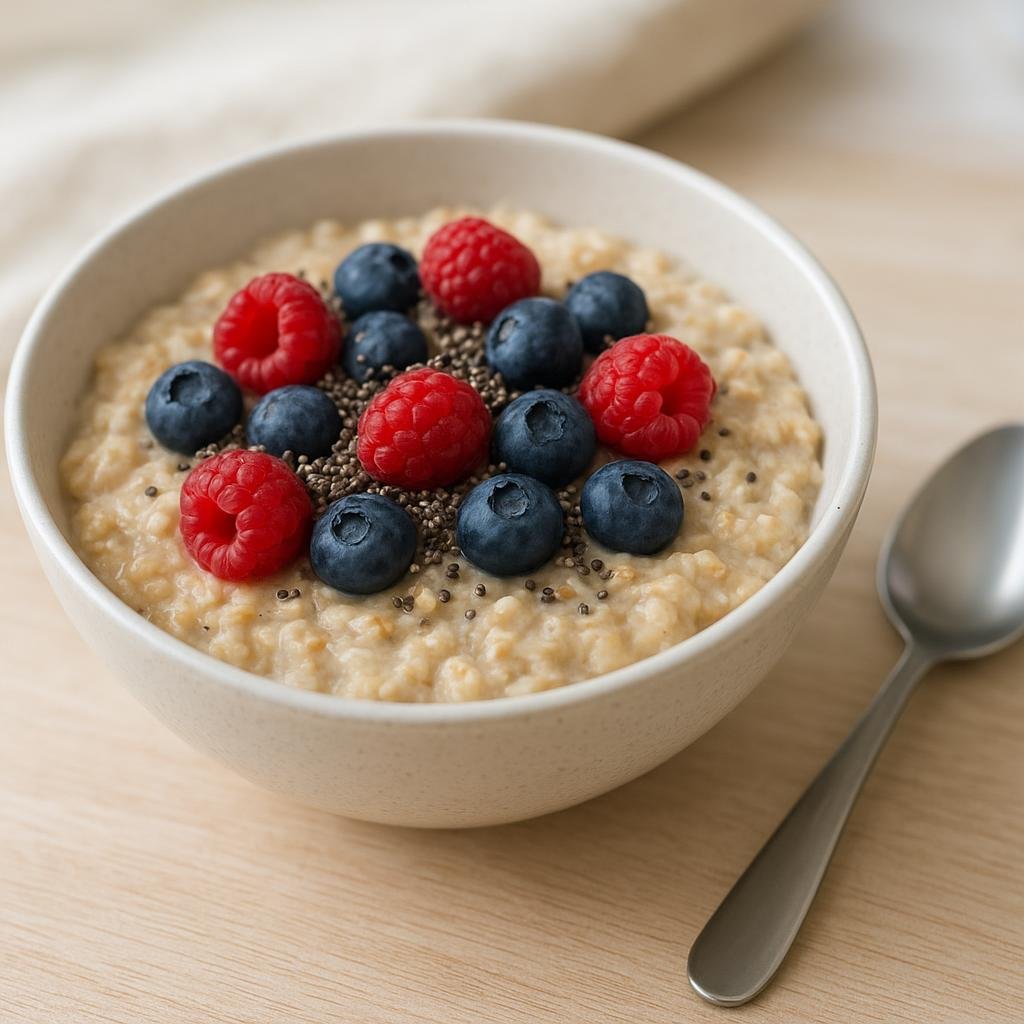
- Oats
- Barley
- Beans
- Lentils
- Apples
- Citrus fruits
- Chia seeds
Insoluble Fiber
Insoluble fiber does not dissolve in water.
It helps:
- Add bulk to stool
- Support regular bowel movements
- Promote digestive health
Foods rich in insoluble fiber include:
- Whole grains
- Wheat bran
- Vegetables
- Nuts
- Seeds
Many plant foods naturally contain both types of fiber.
How Much Fiber Do You Need?
Current dietary guidelines recommend about 14 grams of fiber for every 1,000 calories consumed.
For many adults, that works out to roughly:
- Women: about 25-28 grams per day
- Men: about 31-34 grams per day
Individual needs vary depending on age, sex, and overall calorie intake.
Why Is Fiber Important?
Eating enough fiber offers benefits far beyond digestive health.
Research suggests that fiber may help:
- Support regular bowel movements
- Increase fullness after meals
- Help manage body weight
- Support healthy cholesterol levels
- Promote healthy blood sugar control
- Support heart health
Because fiber slows digestion, meals rich in fiber often keep you satisfied longer than highly processed foods.
The Best High-Fiber Foods
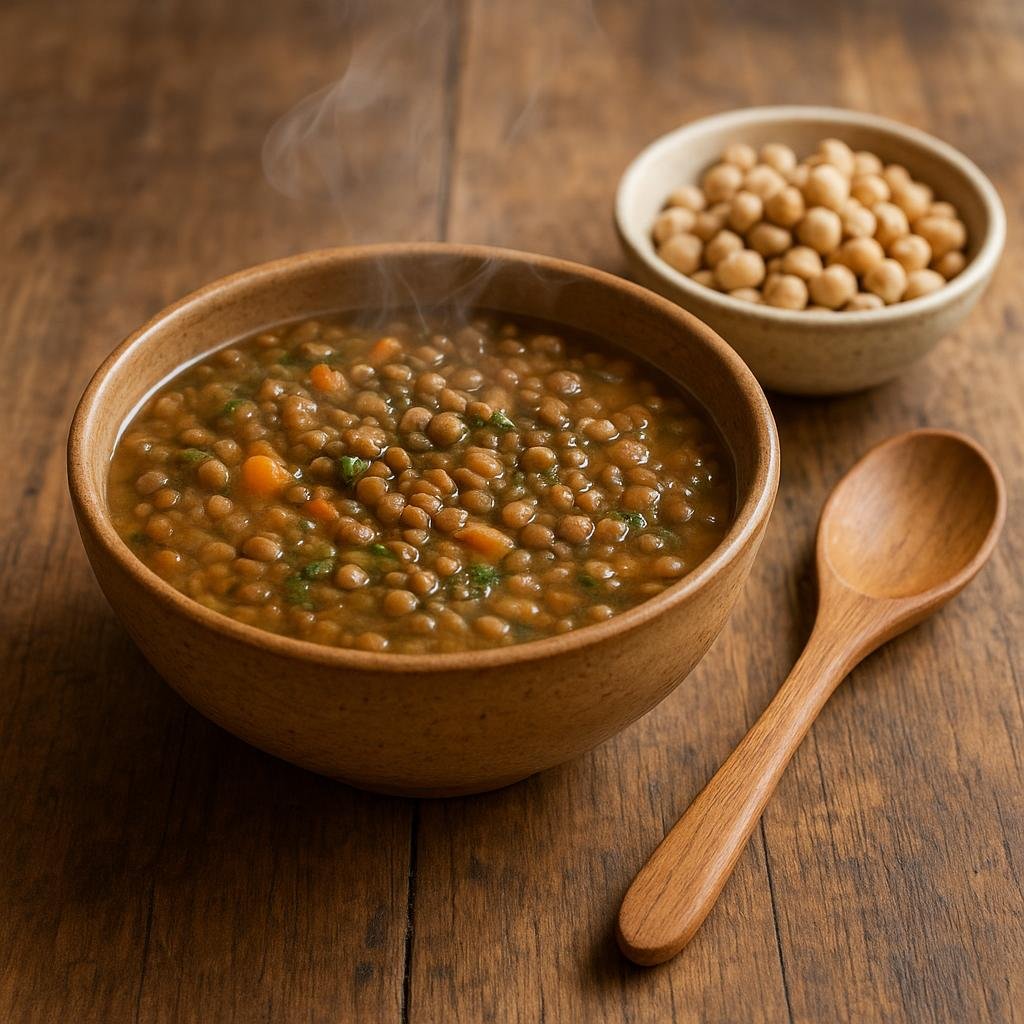
Legumes
Legumes are among the richest natural sources of fiber.
| Food | Fiber per Serving |
|---|---|
| Split peas (1 cup) | 16 g |
| Lentils (1 cup) | 15.5 g |
| Black beans (1 cup) | 15 g |
| Navy or cannellini beans (1 cup) | 13 g |
They’re also excellent sources of plant protein and minerals.
Fruits
Whole fruits provide fiber, vitamins, antioxidants, and water.
Top choices include:
| Food | Fiber |
|---|---|
| Raspberries (1 cup) | 8 g |
| Pear with skin | 5.5 g |
| Apple with skin | 4.5 g |
| Banana | 3 g |
| Orange | 3 g |
| Strawberries (1 cup) | 3 g |
Whenever possible, eat fruits with their edible skins to maximize fiber intake.
Vegetables
Vegetables contribute fiber while being naturally low in calories.
| Food | Fiber |
|---|---|
| Green peas (1 cup) | 9 g |
| Broccoli (1 cup) | 5 g |
| Turnip greens (1 cup) | 5 g |
| Brussels sprouts (1 cup) | 4.5 g |
| Baked potato with skin | 4 g |
| Sweet corn (1 cup) | 4 g |
Aim to include vegetables at most meals.
Whole Grains
Whole grains retain the bran and germ, making them much higher in fiber than refined grains.
| Food | Fiber |
|---|---|
| Whole-wheat spaghetti (1 cup) | 6 g |
| Barley (1 cup) | 6 g |
| Bran flakes | 5.5 g |
| Quinoa (1 cup) | 5 g |
| Oatmeal | 4 g |
| Brown rice | 3.5 g |
| Air-popped popcorn (3 cups) | 3.5 g |
Choose products where “whole” appears among the first ingredients.
Nuts and Seeds
| Food | Fiber |
|---|---|
| Chia seeds (1 ounce) | 10 g |
| Almonds (1 ounce) | 3.5 g |
| Pistachios (1 ounce) | 3 g |
| Sunflower seeds (¼ cup) | 3 g |
They also provide healthy fats, protein, and minerals.

Easy Ways to Eat More Fiber
Small habits can make reaching your daily goal much easier.
- Choose oatmeal instead of sugary cereal.
- Replace white bread with whole-grain bread.
- Eat whole fruit instead of drinking fruit juice.
- Add beans to soups, salads, and tacos.
- Snack on nuts or fresh fruit.
- Include vegetables with both lunch and dinner.
- Sprinkle chia or flax seeds on yogurt or oatmeal.
- Swap white rice for brown rice or quinoa.
You don’t need to make every change at once.
Increase Fiber Gradually
If you’re not used to eating much fiber, increase your intake slowly.
Adding too much fiber too quickly may cause:
- Gas
- Bloating
- Abdominal discomfort
- Cramping
Increasing fiber gradually over several weeks allows your digestive system time to adjust.
Don’t Forget to Drink Water
Fiber works best when paired with adequate fluids.
Drinking enough water helps fiber move smoothly through your digestive system and may reduce constipation.
Fiber From Food Is Usually Best
Fiber supplements can be helpful in certain situations, but whole foods offer much more than fiber alone.
High-fiber foods also provide:
- Vitamins
- Minerals
- Antioxidants
- Plant compounds
- Protein (in legumes)
- Healthy fats (in nuts and seeds)
Whenever possible, aim to get most of your fiber from food rather than supplements.
How InSpoon Can Help
Many packaged foods advertise themselves as “high fiber”, but they may also contain significant amounts of added sugars, sodium, or highly processed ingredients.
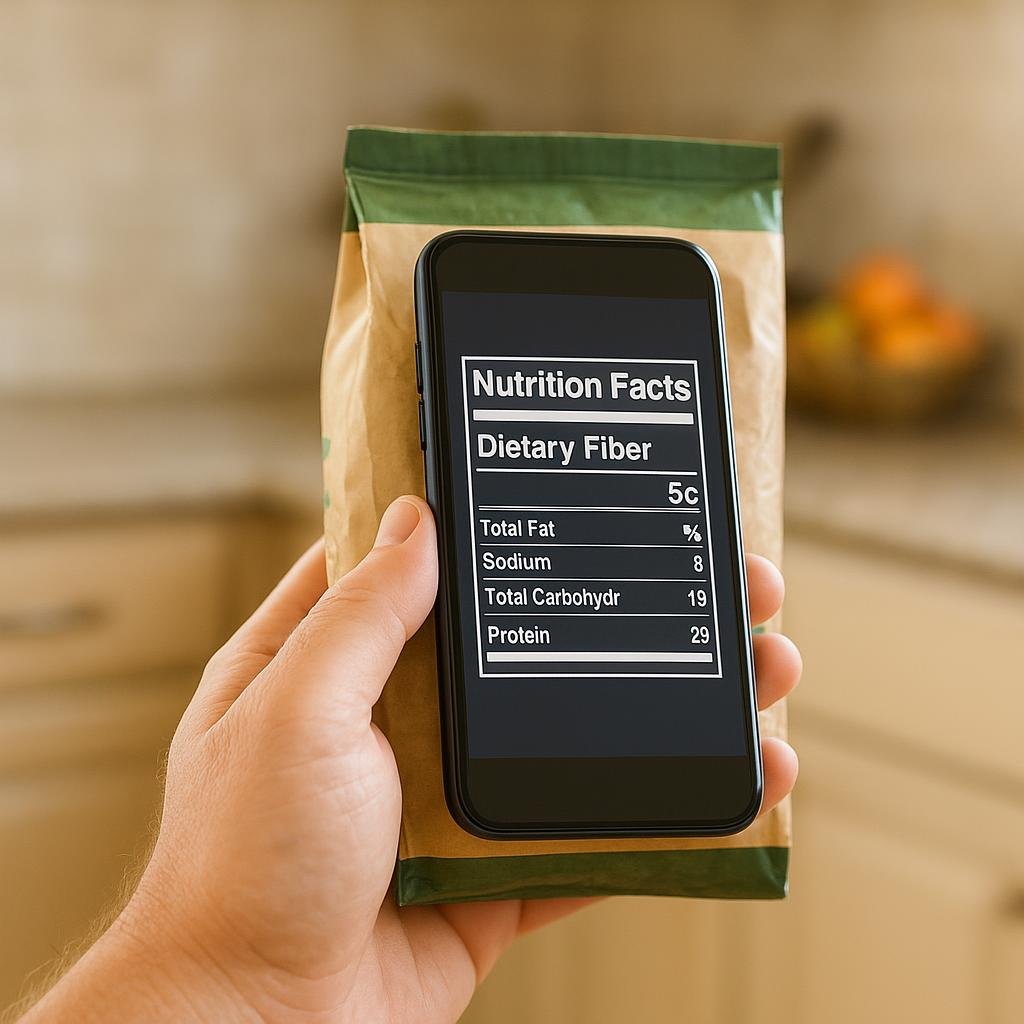
With InSpoon, you can scan packaged foods to instantly see:
- Fiber content
- Nutrition Facts
- Ingredients
- Added sugars
- Food additives
- An easy-to-understand health score
This makes it easier to choose foods that support your daily fiber goals while fitting into an overall healthy eating pattern.
Download InSpoon:
Frequently Asked Questions
Which foods contain the most fiber?
Legumes such as lentils, split peas, and black beans are among the richest natural sources of dietary fiber. Fruits, vegetables, whole grains, nuts, and seeds are also excellent choices.
Is it better to get fiber from food or supplements?
Most experts recommend getting fiber from whole foods whenever possible because they also provide vitamins, minerals, antioxidants, and other beneficial nutrients.
Can eating too much fiber cause problems?
Yes. Increasing fiber too quickly may cause gas, bloating, or abdominal discomfort. Increasing your intake gradually and drinking plenty of water can help reduce these symptoms.
Does cooking remove fiber?
Cooking may slightly change the texture of fiber, but most vegetables, beans, and whole grains remain excellent sources of dietary fiber after cooking.
Final Thoughts
Fiber is one of the most important nutrients for overall health, yet many people consume far less than recommended. By choosing more fruits, vegetables, legumes, whole grains, nuts, and seeds, you can naturally increase your fiber intake while supporting digestion, heart health, blood sugar control, and long-term wellness. Even small changes can make a meaningful difference over time.