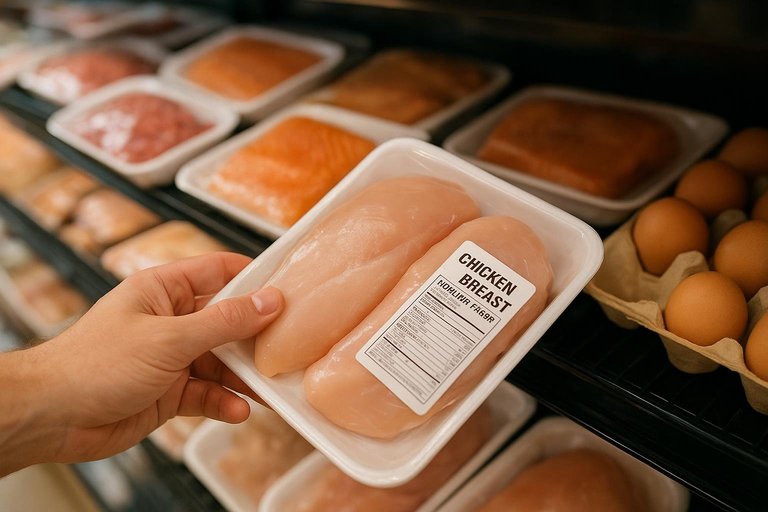
High-protein diets have become one of the most popular approaches for weight loss. Research shows they can help reduce hunger, preserve muscle during weight loss, and improve body composition. But like any eating pattern, they’re not right for everyone, and long-term success depends on choosing healthy protein sources rather than simply eating more meat.
What Is a High-Protein Diet?
A high-protein diet provides more protein than the standard recommended intake. Rather than focusing primarily on carbohydrates, these diets increase foods rich in protein such as fish, poultry, beans, eggs, dairy, and soy.
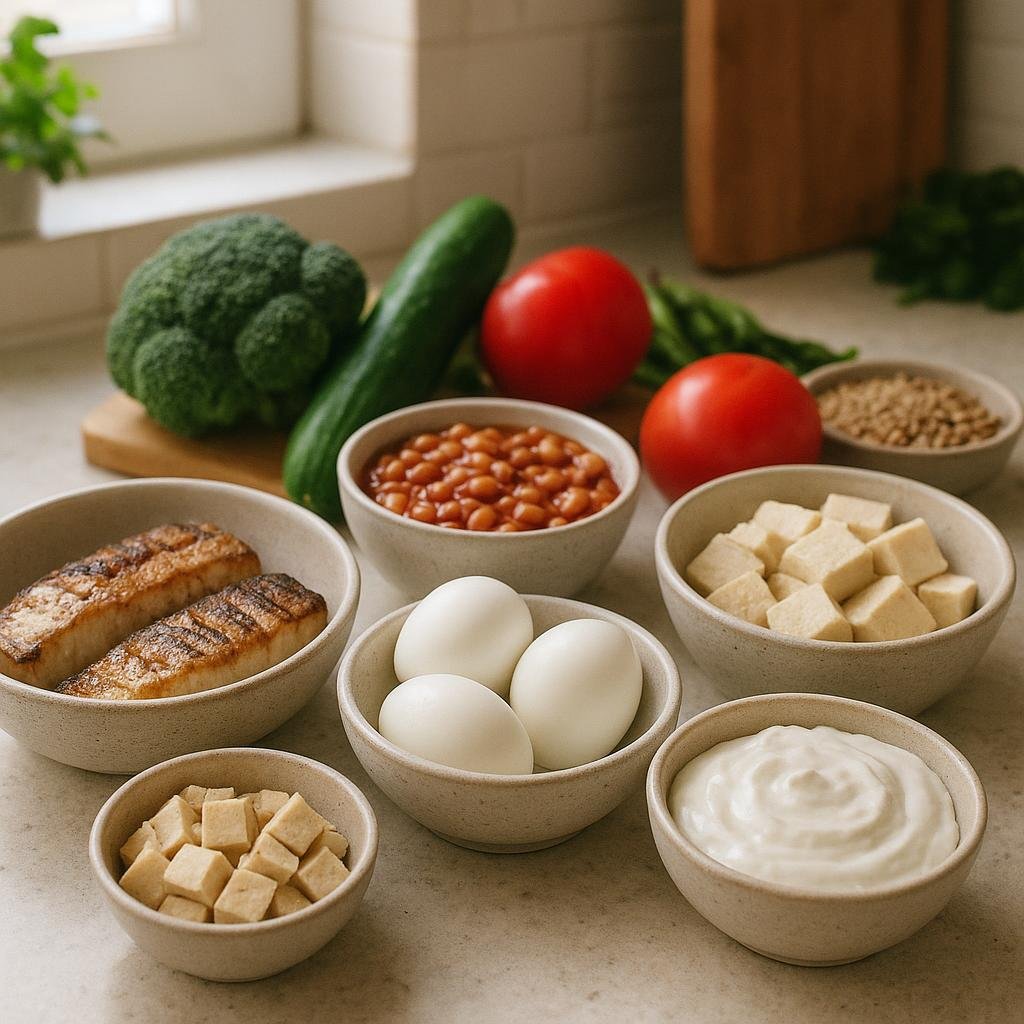
Many successful high-protein diets still include fruits, vegetables, whole grains, and healthy fats instead of eliminating carbohydrates completely.
Can a High-Protein Diet Help You Lose Weight?
Yes. Multiple clinical studies have shown that higher-protein diets can help with weight loss.
Protein may help because it:
- Increases feelings of fullness.
- Reduces hunger between meals.
- Helps preserve muscle during weight loss.
- Requires more energy to digest than carbohydrates or fat.
- May slightly increase daily calorie burning.
Several studies lasting 6-12 months found that higher-protein diets improved weight loss and reduced fat mass while helping preserve lean muscle.
How Protein Helps Control Appetite
Protein influences several hormones involved in hunger.
Research suggests higher-protein meals may:
- Increase GLP-1 and PYY, hormones that promote fullness.
- Reduce ghrelin, often called the “hunger hormone.”
- Help people naturally eat fewer calories.
This is one reason many people find high-protein diets easier to stick with than calorie counting alone.
Best High-Protein Foods
Choose protein sources that also provide vitamins, minerals, fiber, or healthy fats.
Plant-Based Protein
- Beans
- Lentils
- Chickpeas
- Soybeans
- Tofu
- Tempeh
- Nuts
- Seeds
Animal Protein
- Salmon
- Tuna
- Sardines
- Skinless chicken breast
- Lean turkey
- Lean beef
- Eggs
- Low-fat yogurt
- Low-fat cottage cheese
Protein Content of Common Foods
| Food | Protein |
|---|---|
| 3 oz chicken breast | 26 g |
| 3 oz fish | 17-20 g |
| 1/2 cup cottage cheese | 12 g |
| 1/2 cup cooked lentils | 9 g |
| 3 oz firm tofu | 9 g |
| 1 large egg | 6 g |
| 1 oz almonds | 6 g |
| Low-fat yogurt (4 oz) | 6 g |
Don’t Forget Carbohydrates and Healthy Fats
Healthy high-protein diets don’t eliminate other important nutrients.
Choose carbohydrates such as:
- Vegetables
- Fruit
- Whole grains
- Beans
Include healthy fats from:
- Olive oil
- Avocados
- Nuts
- Seeds
- Fatty fish
Possible Risks of High-Protein Diets
High-protein diets are generally considered safe for healthy adults, especially when followed for shorter periods.
However, potential concerns include:
- Too little fiber if fruits, vegetables, and whole grains are restricted.
- Constipation.
- Bad breath.
- Headaches.
- Higher saturated fat intake if relying heavily on fatty or processed meats.
People with chronic kidney disease should talk with their healthcare provider before increasing protein intake because excess protein may place additional strain on damaged kidneys.
Does High Protein Harm Healthy Kidneys?
Current research has not found evidence that moderately high-protein diets harm kidney function in healthy adults. Existing concerns primarily apply to people who already have kidney disease.
How Much Protein Do You Need?
Research suggests many weight-loss benefits occur when protein intake reaches approximately 1.2-1.6 grams per kilogram of body weight per day.
Many studies also suggest aiming for roughly 25-30 grams of protein per meal to maximize fullness and muscle preservation.
Foods to Limit
Even on a high-protein diet, it’s best to limit:
- Processed meats
- Hot dogs
- Sausages
- Bacon
- Highly processed protein products high in sodium
- Fatty cuts of red meat
These foods often contain high amounts of saturated fat and sodium, which may increase cardiovascular risk.
Who Should Avoid High-Protein Diets?
Speak with your healthcare provider before starting a high-protein diet if you have:
- Kidney disease
- Diabetes
- Other chronic medical conditions
- Questions about medications or supplements
How InSpoon Can Help
Not every product labeled “high protein” is actually a healthy choice. Many protein bars, shakes, and snacks contain large amounts of added sugars, sodium, or ultra-processed ingredients.
With InSpoon, you can scan products to quickly check:
- Protein content
- Added sugars
- Sodium
- Saturated fat
- Ingredient quality
- Overall nutrition score
It makes choosing healthier protein foods much easier.
Frequently Asked Questions
Is a high-protein diet good for weight loss?
For many people, yes. Higher protein intake can increase fullness, reduce hunger, and help preserve muscle while losing fat.
Can eating too much protein hurt your kidneys?
Current evidence does not show harm in healthy adults. People with kidney disease should consult their healthcare provider before increasing protein intake.
Should I avoid carbohydrates?
No. Most experts recommend including healthy carbohydrates like fruits, vegetables, legumes, and whole grains rather than eliminating them.
What are the healthiest protein sources?
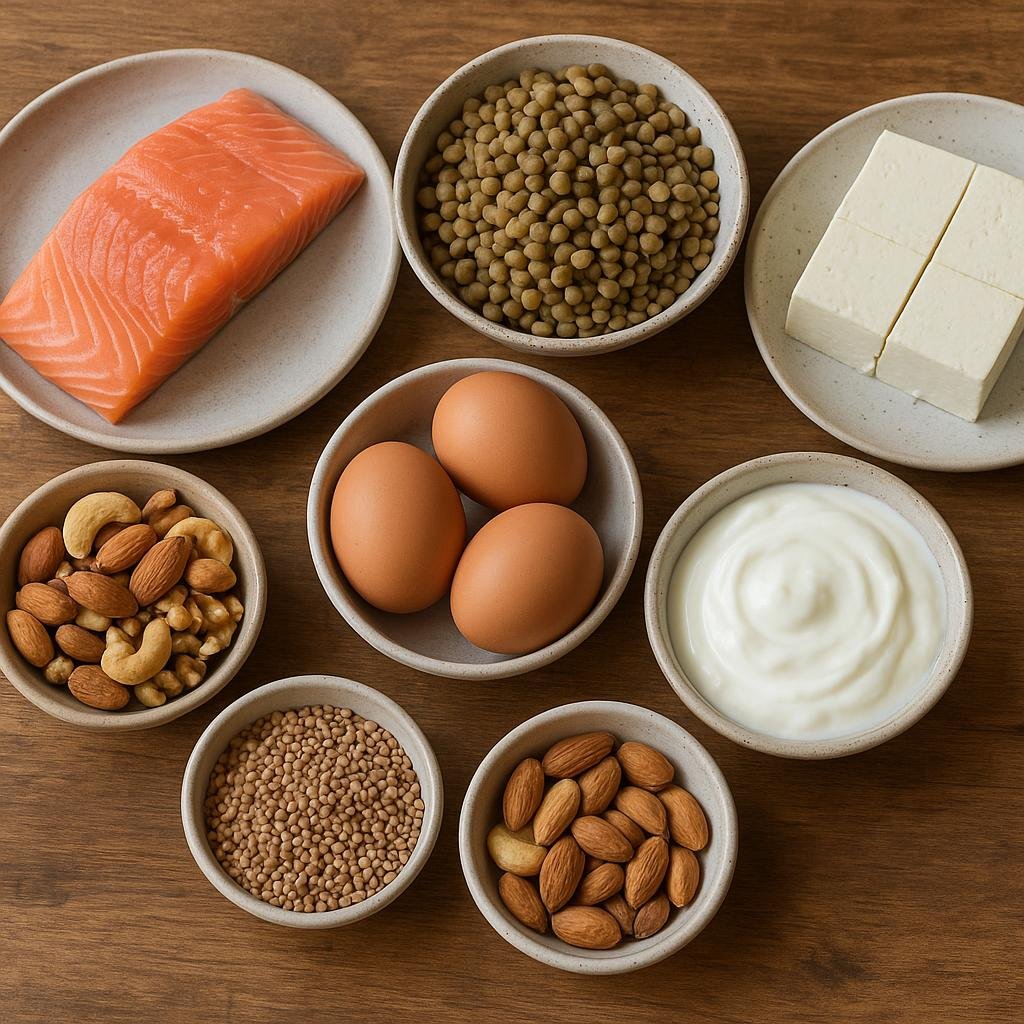
Fish, beans, lentils, tofu, low-fat dairy, eggs, skinless poultry, nuts, and seeds are among the healthiest protein-rich foods.
Final Thoughts
A high-protein diet can be an effective tool for weight loss, appetite control, and preserving muscle during calorie restriction. The greatest benefits come from choosing minimally processed, nutrient-rich protein foods while maintaining a balanced diet that includes vegetables, fruits, whole grains, and healthy fats.