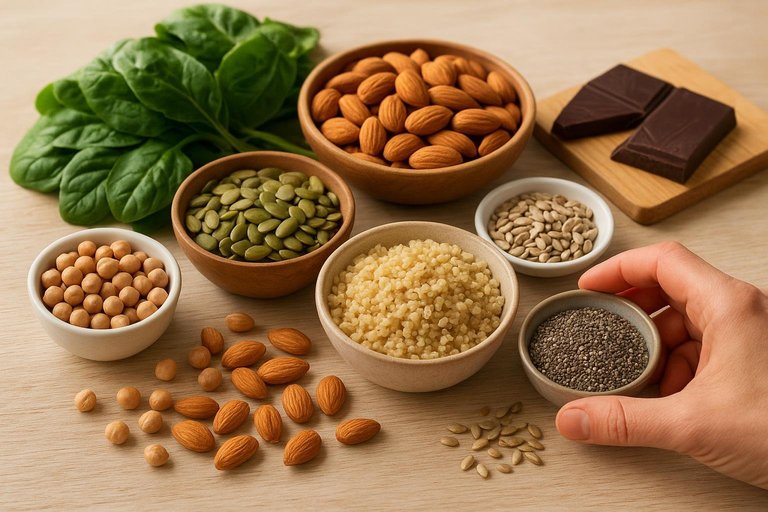
Magnesium is an essential mineral involved in more than 300 biochemical processes in the body. It helps regulate muscle and nerve function, supports healthy bones, maintains a normal heart rhythm, helps control blood sugar and blood pressure, and plays a critical role in energy production.
Despite its importance, many adults do not consume enough magnesium. Fortunately, increasing your intake is as simple as eating more whole, minimally processed foods such as leafy greens, legumes, nuts, seeds, and whole grains.
Why Magnesium Is Important
Your body needs magnesium for many vital functions, including:
- Supporting normal muscle and nerve function
- Maintaining a healthy heartbeat
- Helping regulate blood pressure
- Supporting bone strength
- Producing energy from food
- Building proteins, DNA, and RNA
- Helping activate vitamin D
- Supporting blood sugar control
About 50-60% of the body’s magnesium is stored in bones, while most of the remainder is found in muscles and other tissues.
How Much Magnesium Do You Need?
| Group | Recommended Daily Intake |
|---|---|
| Adult men | 400-420 mg |
| Adult women | 310-320 mg |
| Pregnant women | 350-360 mg |
| Breastfeeding women | 310-320 mg |
Best Foods High in Magnesium
The richest sources of magnesium are plant foods, especially nuts, seeds, legumes, leafy greens, and whole grains.
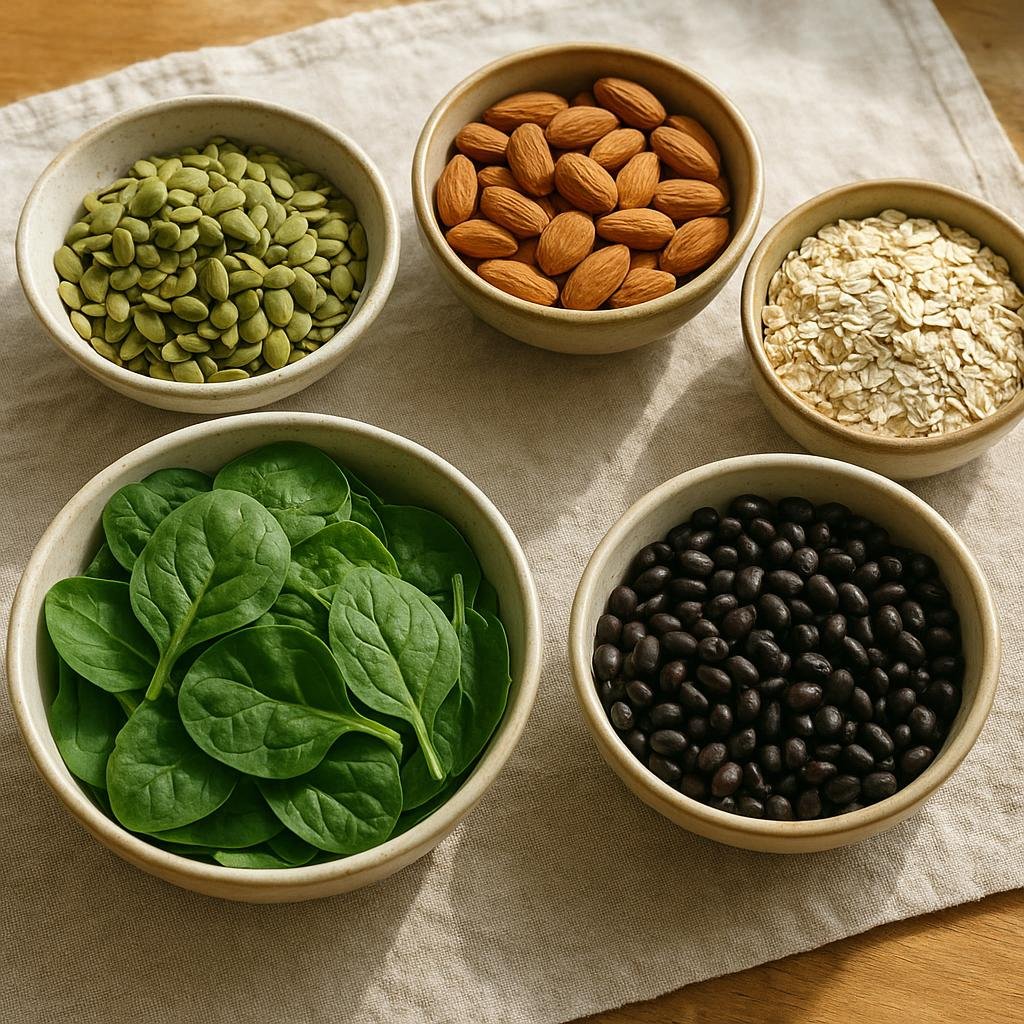
Nuts and Seeds
| Food | Serving | Magnesium |
|---|---|---|
| Pumpkin seeds | 1 oz | 150 mg |
| Chia seeds | 1 oz | 111 mg |
| Almonds | 1 oz | 80 mg |
| Cashews | 1 oz | 72 mg |
| Dark chocolate (70-85%) | 1 oz | 64 mg |
| Peanuts | 1 oz | 49 mg |
| Flaxseed | 1 tbsp | 40 mg |
Beans and Legumes
| Food | Serving | Magnesium |
|---|---|---|
| Black beans | 1/2 cup | 60 mg |
| Quinoa | 1/2 cup cooked | 60 mg |
| Edamame | 1/2 cup | 50 mg |
| Lima beans | 1/2 cup | 40 mg |
| Lentils | 1/2 cup | Good source |
| Soybeans | 1/2 cup | Good source |
Leafy Green Vegetables
| Food | Serving | Magnesium |
|---|---|---|
| Cooked spinach | 1/2 cup | 78 mg |
| Swiss chard | 1/2 cup | 75 mg |
| Collard greens | 1/2 cup | 25 mg |
Fruit
| Food | Serving | Magnesium |
|---|---|---|
| Avocado | 1 whole | 58 mg |
| Papaya | 1 small | 33 mg |
| Banana | 1 medium | 32 mg |
| Blackberries | 1 cup | 29 mg |
| Dried apricots | Good source | – |
Vegetables
| Food | Serving | Magnesium |
|---|---|---|
| Potato with skin | 1 medium | 48 mg |
| Green peas | 1/2 cup | 31 mg |
| Sweet corn | 1/2 cup | 27 mg |
| Sweet potato | Good source | – |
Whole Grains
- Whole oats
- Oatmeal
- Brown rice
- Whole wheat
- Shredded wheat cereal
- Quinoa
Other Good Sources
- Salmon
- Milk
- Plain yogurt
- Peanut butter
- Fish
- Poultry
- Beef
Health Benefits of Magnesium
Research suggests that getting enough magnesium from food may help support:
- Healthy blood pressure
- Normal heart function
- Healthy blood sugar regulation
- Strong bones
- Muscle function
- Nerve function
- Migraine prevention in some people
Studies have found that people with higher magnesium intake often have a lower risk of type 2 diabetes and cardiovascular disease. However, research on magnesium supplements has shown mixed results, and more studies are needed.
Signs of Magnesium Deficiency
Mild magnesium deficiency often has no obvious symptoms.
More significant deficiency may cause:
- Fatigue
- Weakness
- Loss of appetite
- Nausea
- Muscle cramps
- Numbness or tingling
- Abnormal heart rhythm
- Seizures in severe cases
Who Is More Likely to Be Deficient?
People at greater risk include:
- Older adults
- People with type 2 diabetes
- People with Crohn’s disease or celiac disease
- People with alcohol dependence
- People taking certain diuretics or proton pump inhibitors
Can You Get Too Much Magnesium?
Healthy kidneys remove excess magnesium from food, making toxicity from food extremely rare.
However, large doses from supplements or medications can cause:
- Diarrhea
- Nausea
- Abdominal cramping
- Low blood pressure
- Irregular heartbeat in severe cases
The upper safe limit applies only to supplements and is 350 mg per day for adults unless directed otherwise by a healthcare provider.
Food First Is Best
Most experts recommend getting magnesium from food rather than supplements whenever possible. Magnesium-rich foods also provide fiber, vitamins, antioxidants, and many other nutrients that work together to support overall health.
A simple daily routine might include:
- A handful of almonds or pumpkin seeds
- Cooked spinach or leafy greens
- Beans or lentils
- Whole grains like oatmeal or quinoa
- Fruit such as bananas or avocados
How InSpoon Can Help
Many packaged foods are heavily processed and contain very little magnesium. InSpoon helps you compare products, identify whole-food ingredients, and choose foods that are naturally richer in nutrients while avoiding unnecessary additives.
Frequently Asked Questions
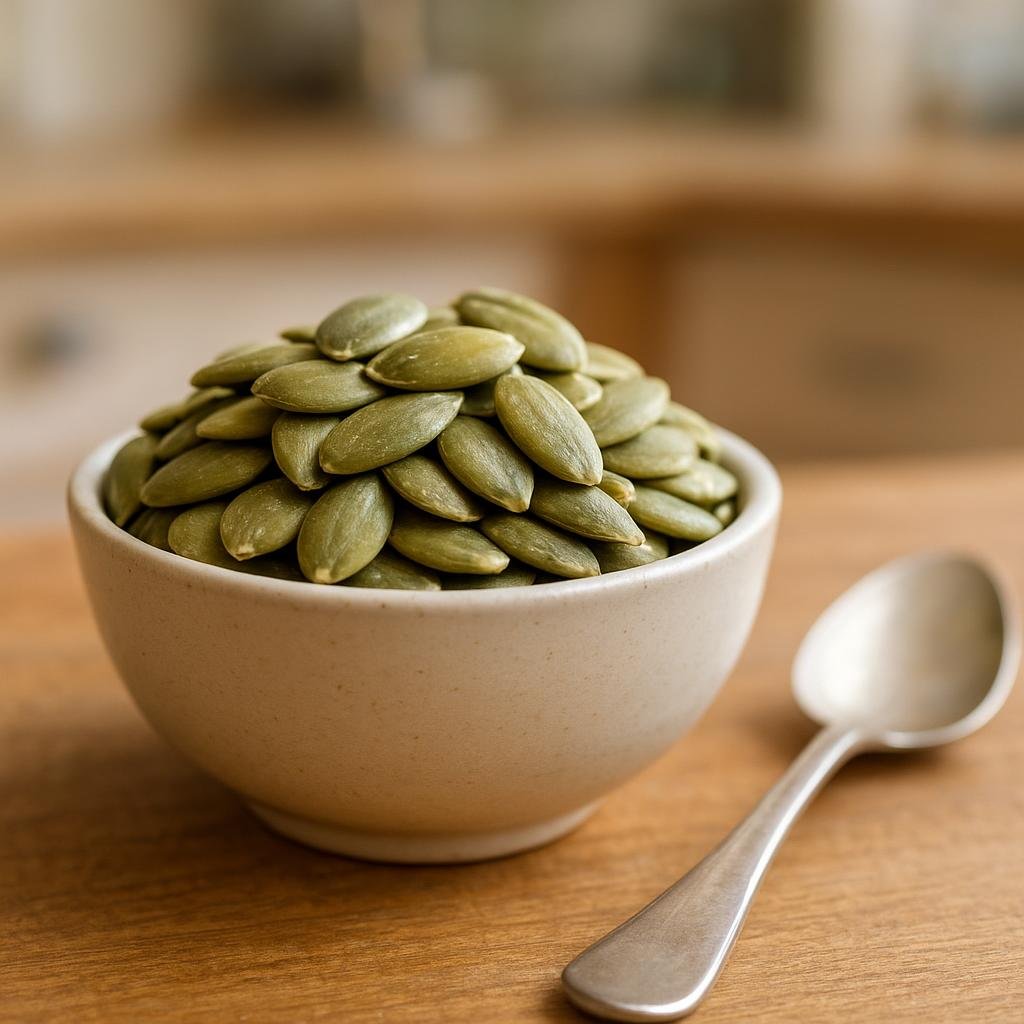
What food has the most magnesium?
Pumpkin seeds are among the richest natural sources, providing about 150 mg per ounce.
Are bananas high in magnesium?
Bananas contain magnesium, but they are not among the richest sources. One medium banana provides about 32 mg.
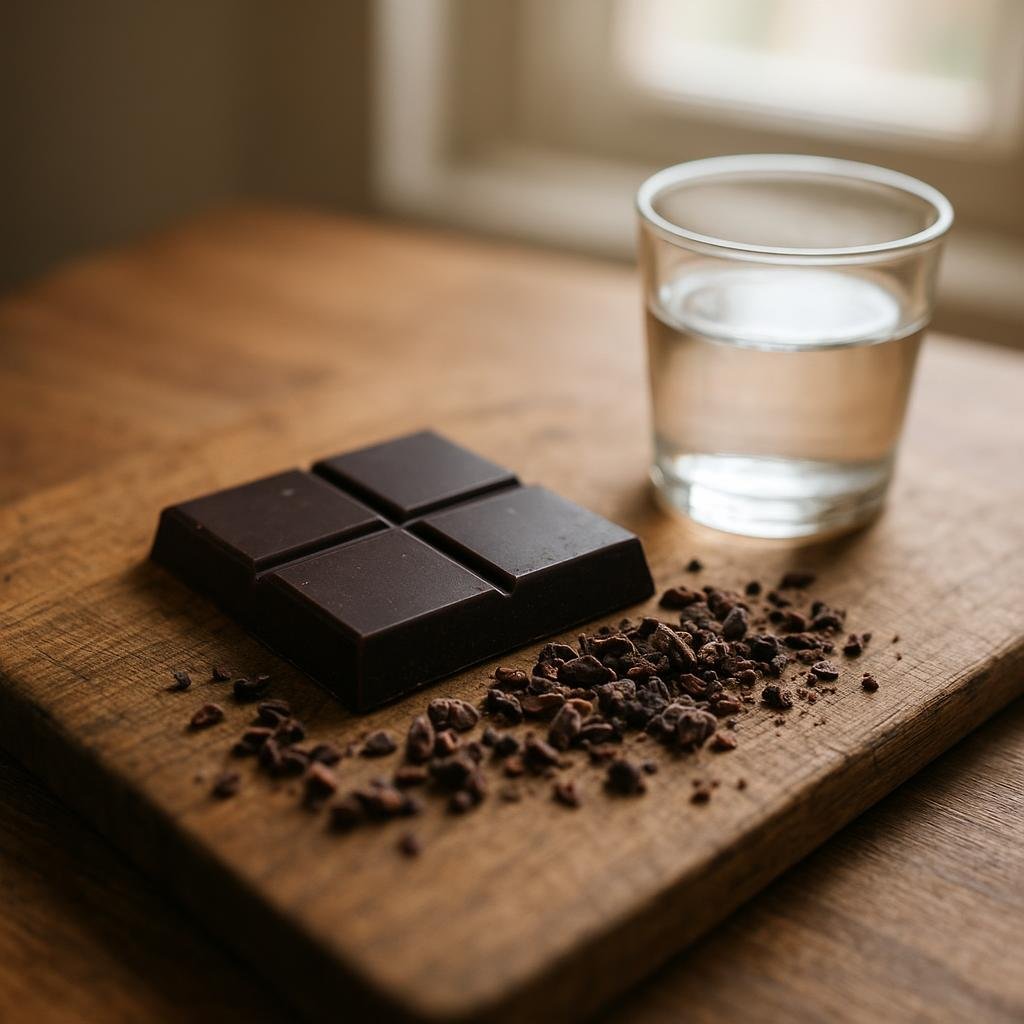
Is dark chocolate a good magnesium source?
Yes. One ounce of dark chocolate containing 70-85% cocoa provides about 64 mg of magnesium.
Should I take a magnesium supplement?
Most healthy people can meet their magnesium needs through food. Supplements may be helpful for certain deficiencies or medical conditions but should be discussed with a healthcare provider.