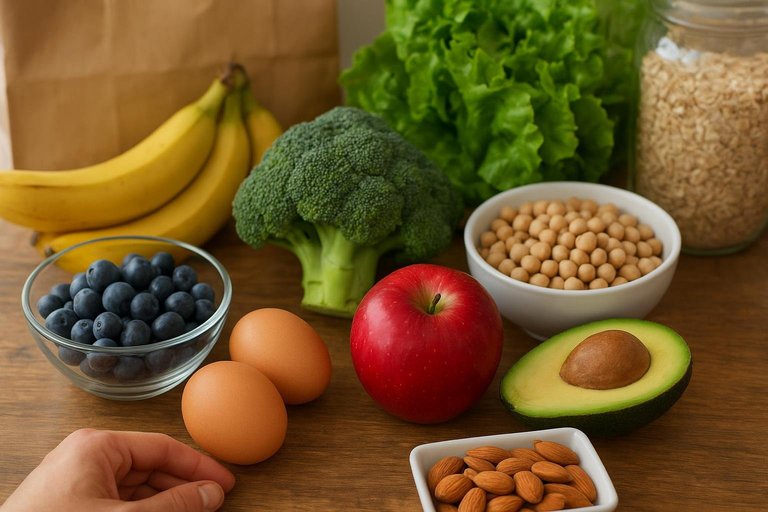
A healthy, balanced diet provides your body with the nutrients and energy it needs to function properly while reducing the risk of many chronic diseases. Rather than focusing on individual “superfoods,” healthy eating is about choosing a wide variety of minimally processed foods in the right proportions over time.
Research consistently shows that balanced dietary patterns rich in fruits, vegetables, whole grains, legumes, nuts, and healthy proteins are associated with better heart health, lower rates of type 2 diabetes, healthier body weight, and longer life.
What Is a Balanced Diet?
A balanced diet provides enough calories and nutrients without excess. According to the World Health Organization, healthy diets are built around four core principles:
- Adequacy – meeting your body’s nutrient needs.
- Balance – matching calorie intake with energy expenditure.
- Moderation – limiting foods high in added sugars, saturated fats, and sodium.
- Diversity – eating a wide variety of nutritious foods.
A healthy diet should also emphasize minimally processed foods while limiting highly processed foods that are often high in sugar, unhealthy fats, and sodium.
The Main Food Groups
1. Fruits and Vegetables
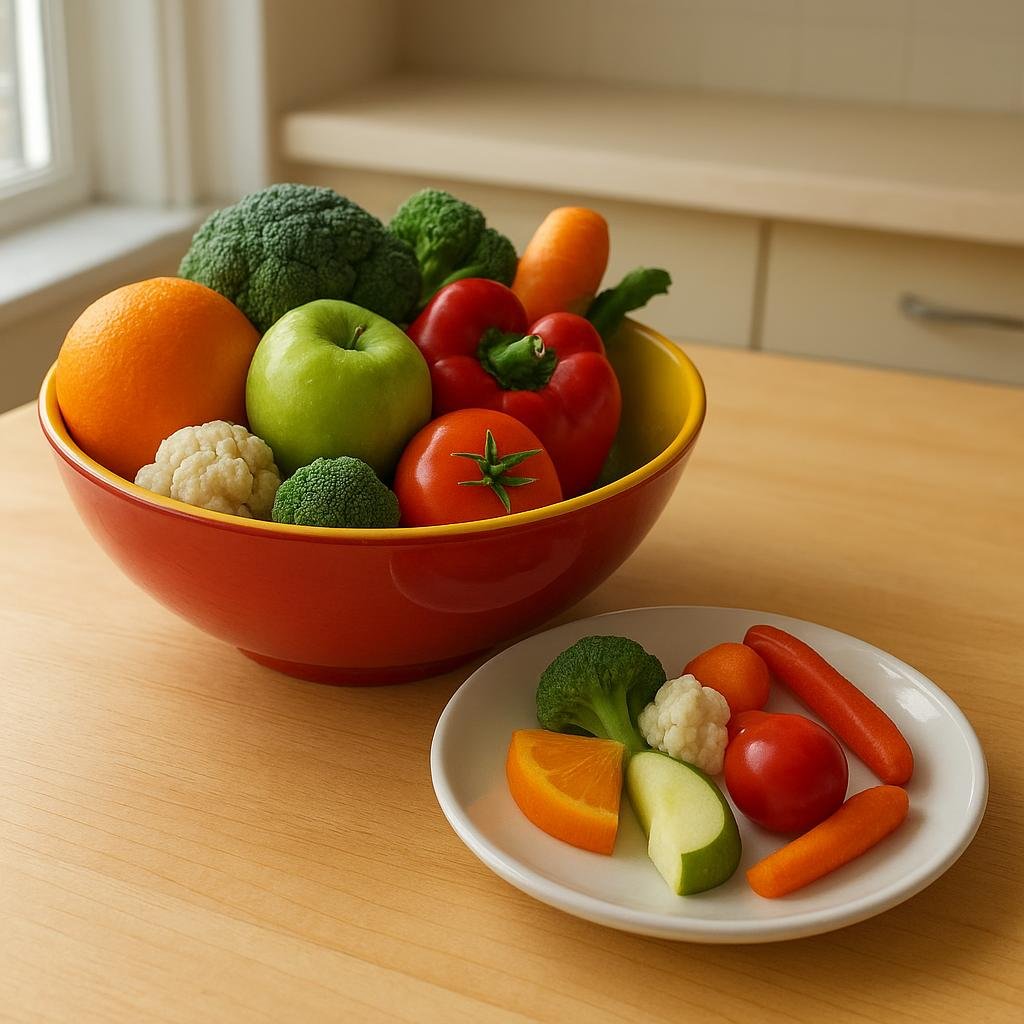
Fruits and vegetables should make up a large portion of your daily diet. They provide:
- Fiber
- Vitamin C
- Vitamin A
- Potassium
- Folate
- Thousands of beneficial plant compounds
Adults should aim for at least 400 grams of fruits and vegetables each day, roughly equivalent to five servings. Eating enough fruits and vegetables is associated with lower risks of heart disease, stroke, and several cancers.
2. Whole Grains and High-Fiber Carbohydrates
Carbohydrates are the body’s primary energy source. Instead of refined grains, choose:
- Brown rice
- Whole wheat bread
- Whole wheat pasta
- Oats
- Quinoa
- Barley
Whole grains naturally contain more fiber, vitamins, and minerals than refined grains.
3. Healthy Protein
Protein helps build and repair muscles and tissues while supporting hormone and enzyme production.
Healthy protein sources include:
- Beans
- Lentils
- Peas
- Fish
- Eggs
- Skinless poultry
- Nuts
- Seeds
- Low-fat dairy
- Soy foods such as tofu
Many health organizations recommend eating more plant proteins while reducing processed meats.
4. Healthy Fats
Fat is an essential nutrient, but choosing the right type matters.
Prefer unsaturated fats from:
- Olive oil
- Avocados
- Nuts
- Seeds
- Fish
Limit foods high in saturated fat and avoid industrial trans fats whenever possible.
5. Dairy or Fortified Alternatives
Milk, yogurt, and fortified plant alternatives provide calcium, protein, and often vitamin D, helping support healthy bones.
Limit These Foods
A balanced diet doesn’t require eliminating favorite foods, but certain items should be eaten less often.
- Sugary drinks
- Candy
- Cakes and pastries
- Processed meats
- Fast food
- Highly processed snacks
- Foods high in added sugar
- Foods high in sodium
Ultra-processed foods often provide excessive calories while contributing relatively little fiber, vitamins, and minerals.

Recommended Daily Limits
| Nutrient | Recommended Limit |
|---|---|
| Added sugars | Less than 10% of daily calories (ideally under 5%) |
| Salt | Less than 5 g per day (about 2 g sodium) |
| Saturated fat | Less than 10% of daily calories |
| Dietary fiber | At least 25 g daily for most adults |
These recommendations are supported by the World Health Organization and other major health organizations.
Simple Habits for Healthy Eating
- Fill half your plate with vegetables and fruit.
- Choose whole grains more often than refined grains.
- Include a healthy protein at every meal.
- Cook more meals at home.
- Drink mostly water.
- Snack on fruit, yogurt, or nuts instead of chips or candy.
- Read Nutrition Facts labels.
- Limit highly processed packaged foods.
Healthy Eating Is About Patterns
No single meal determines your health. Instead, your overall eating pattern over weeks, months, and years has the biggest impact.
A balanced diet doesn’t require perfection. Enjoying occasional treats is completely compatible with healthy eating when most meals are built around nutrient-dense, minimally processed foods.
How InSpoon Can Help
Nutrition labels can be confusing, especially when foods are marketed as “healthy.” InSpoon helps you quickly scan products, compare alternatives, understand ingredients, and choose foods that better fit a balanced diet.

Frequently Asked Questions
What is the healthiest diet?
There is no single perfect diet. Healthy diets share common principles: plenty of vegetables, fruits, whole grains, legumes, healthy fats, and minimally processed foods.
Do I need to avoid carbohydrates?
No. Whole-food carbohydrates such as oats, brown rice, potatoes, beans, fruits, and vegetables are important sources of energy and nutrients.
Can I still eat dessert?
Yes. Healthy eating is about your overall dietary pattern, not avoiding specific foods forever.
Is processed food always unhealthy?
No. Many minimally processed foods such as frozen vegetables, plain yogurt, canned beans, and whole-grain bread can be part of a healthy diet. Foods that are highly processed and high in added sugar, sodium, or unhealthy fats should be limited.