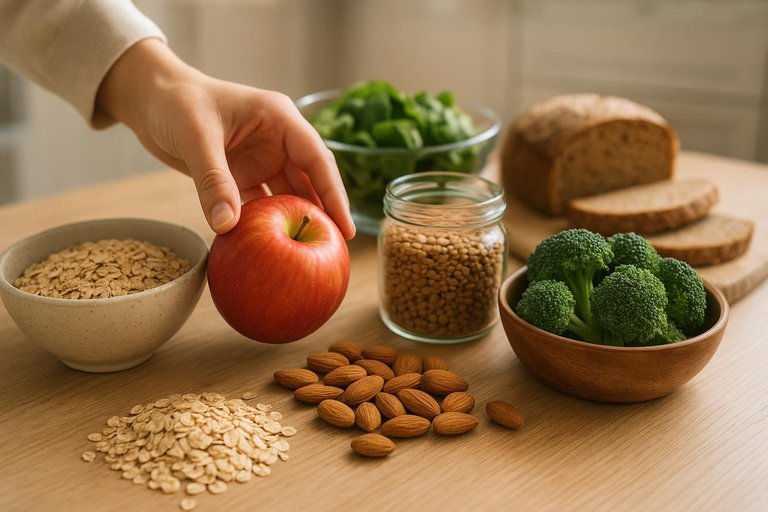
Constipation is one of the most common digestive complaints, and for many people, eating more fiber is one of the simplest ways to improve regularity. Fiber adds bulk to stool, helps it retain water, and makes it easier to pass through the digestive tract. Research shows that increasing dietary fiber can significantly increase stool frequency in people with constipation.
How Fiber Helps Constipation
Dietary fiber passes through your digestive system without being digested. Along the way it absorbs water, increases stool size, and supports normal bowel movements.
There are two main types:
- Soluble fiber forms a gel with water, helping soften stool.
- Insoluble fiber adds bulk and helps move waste through the intestines.
Most plant foods contain a mix of both types.
Best High-Fiber Foods for Constipation
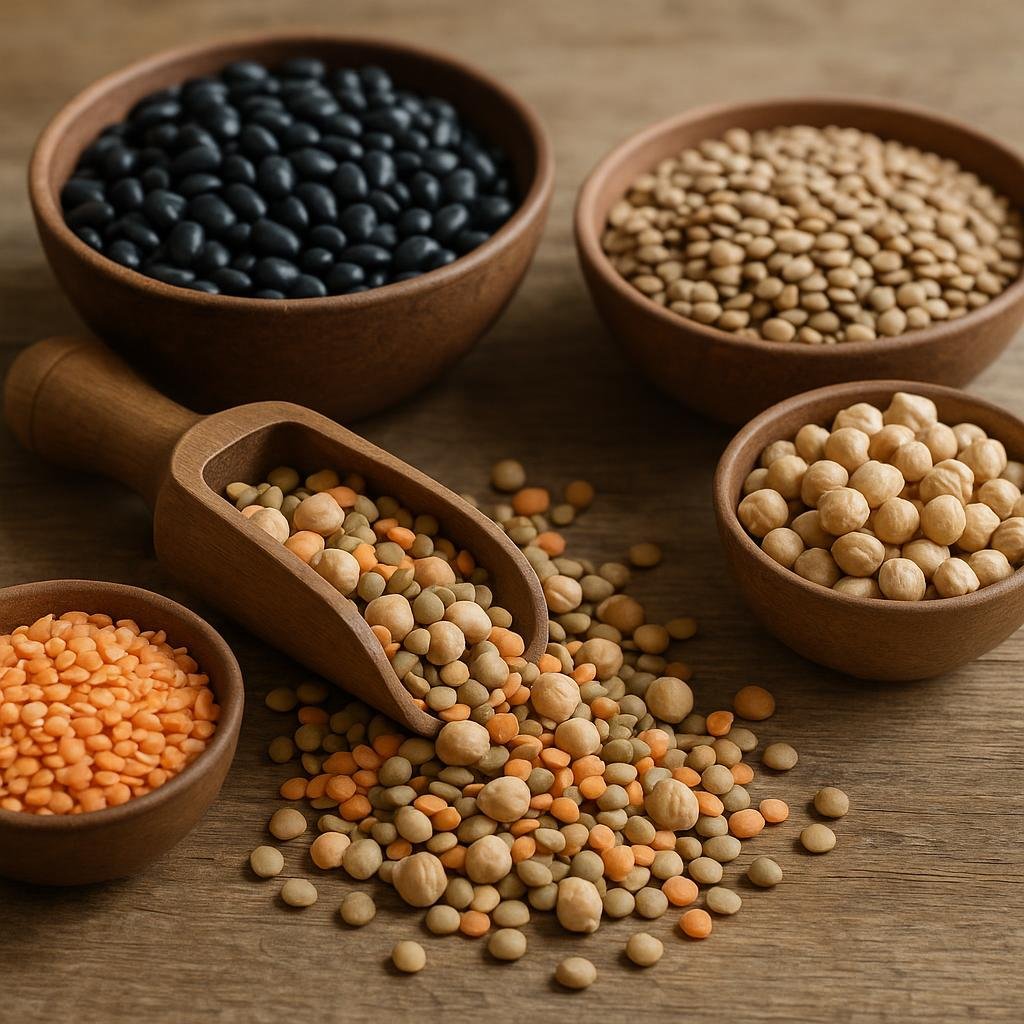
Beans and Legumes
- Lentils
- Black beans
- Kidney beans
- Chickpeas
- Split peas
Beans are among the richest natural sources of fiber and also provide protein that helps keep you full.
Fruits
- Prunes
- Pears (with skin)
- Apples (with skin)
- Raspberries
- Blackberries
- Kiwis
- Oranges
Prunes contain both fiber and sorbitol, a natural sugar alcohol that can help soften stool.
Vegetables
- Broccoli
- Brussels sprouts
- Carrots
- Spinach
- Kale
- Green beans
- Sweet potatoes (with skin)
Whole Grains
- Oatmeal
- Barley
- Brown rice
- Whole-wheat bread
- Whole-wheat pasta
- Quinoa
- Bran cereal
Nuts and Seeds
- Chia seeds
- Flaxseeds
- Pumpkin seeds
- Almonds
- Pistachios
- Walnuts
Foods That May Worsen Constipation
These foods are generally lower in fiber and may contribute to constipation if they replace fiber-rich foods:
- White bread
- White rice
- Pastries
- Fast food
- Highly processed snacks
- Large amounts of cheese and other low-fiber dairy foods
How Much Fiber Do You Need?
| Group | Fiber per Day |
|---|---|
| Women 50 or younger | 25 g |
| Women over 50 | 21 g |
| Men 50 or younger | 38 g |
| Men over 50 | 30 g |
Tips to Relieve Constipation Naturally
- Increase fiber gradually over several weeks.
- Drink plenty of water so fiber can soften stool.
- Stay physically active.
- Eat fruits and vegetables every day.
- Choose whole grains instead of refined grains.
- Include beans or lentils several times each week.
Adding large amounts of fiber too quickly may cause gas, bloating, or cramping, so increase intake slowly while drinking enough fluids.
Simple High-Fiber Snack Ideas
- Apple with almond butter
- Pear and walnuts
- Greek yogurt with raspberries and chia seeds
- Carrots with hummus
- Roasted chickpeas
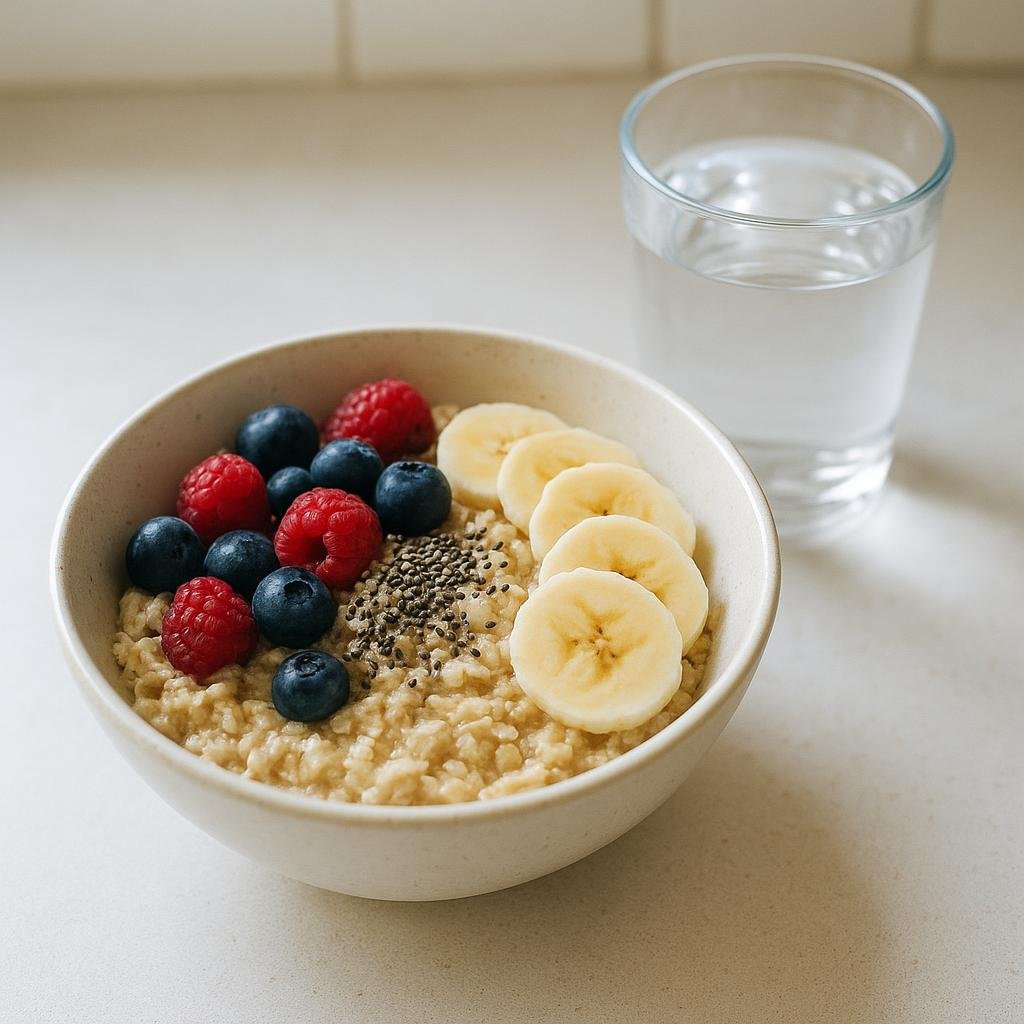
- Oatmeal topped with berries
- Whole-grain crackers with hummus
When Fiber May Not Be the Right Choice
A high-fiber diet is not appropriate for everyone. Your healthcare provider may recommend temporarily limiting fiber after certain intestinal surgeries, during flare-ups of Crohn’s disease or ulcerative colitis, with intestinal strictures, gastroparesis, or before a colonoscopy.
How InSpoon Can Help
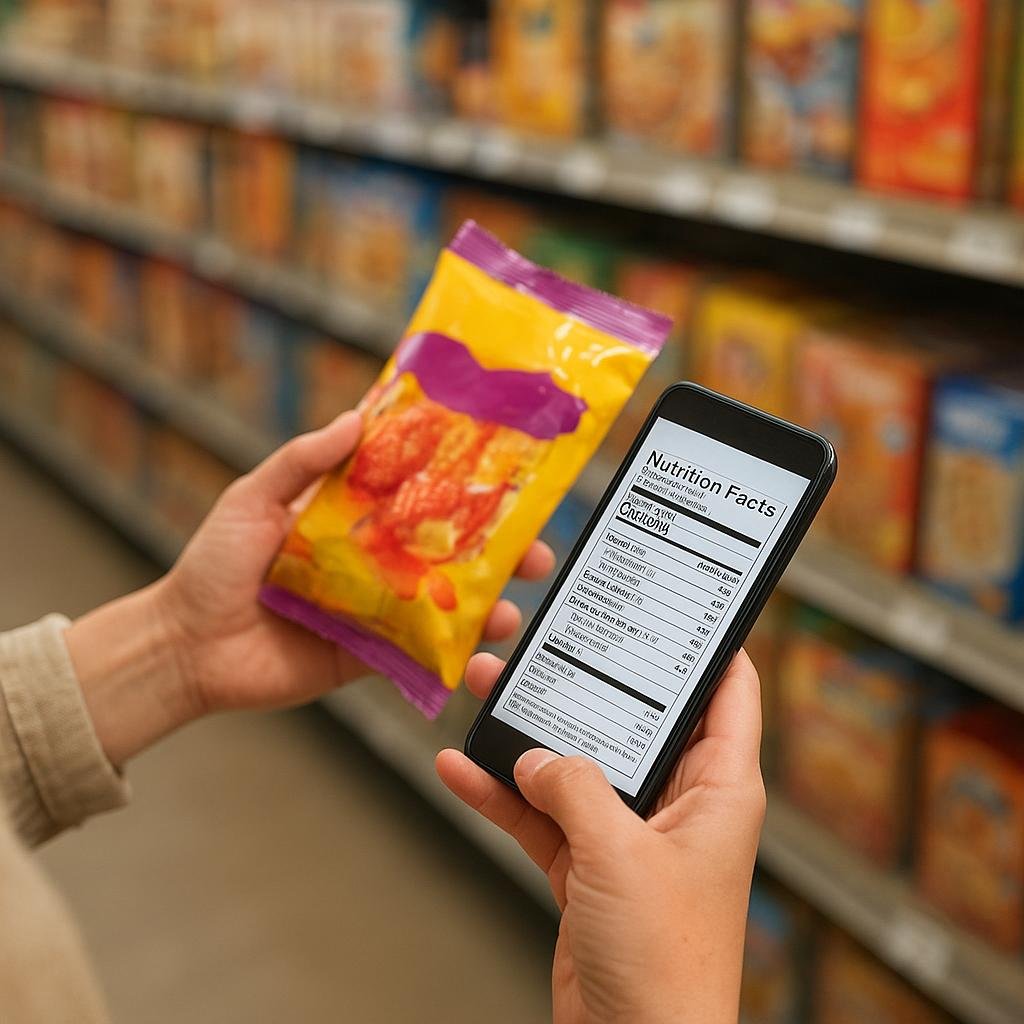
Many foods marketed as “high fiber” are also high in added sugar or sodium. InSpoon lets you scan products, compare nutrition, and find foods that are rich in fiber without unnecessary ingredients.