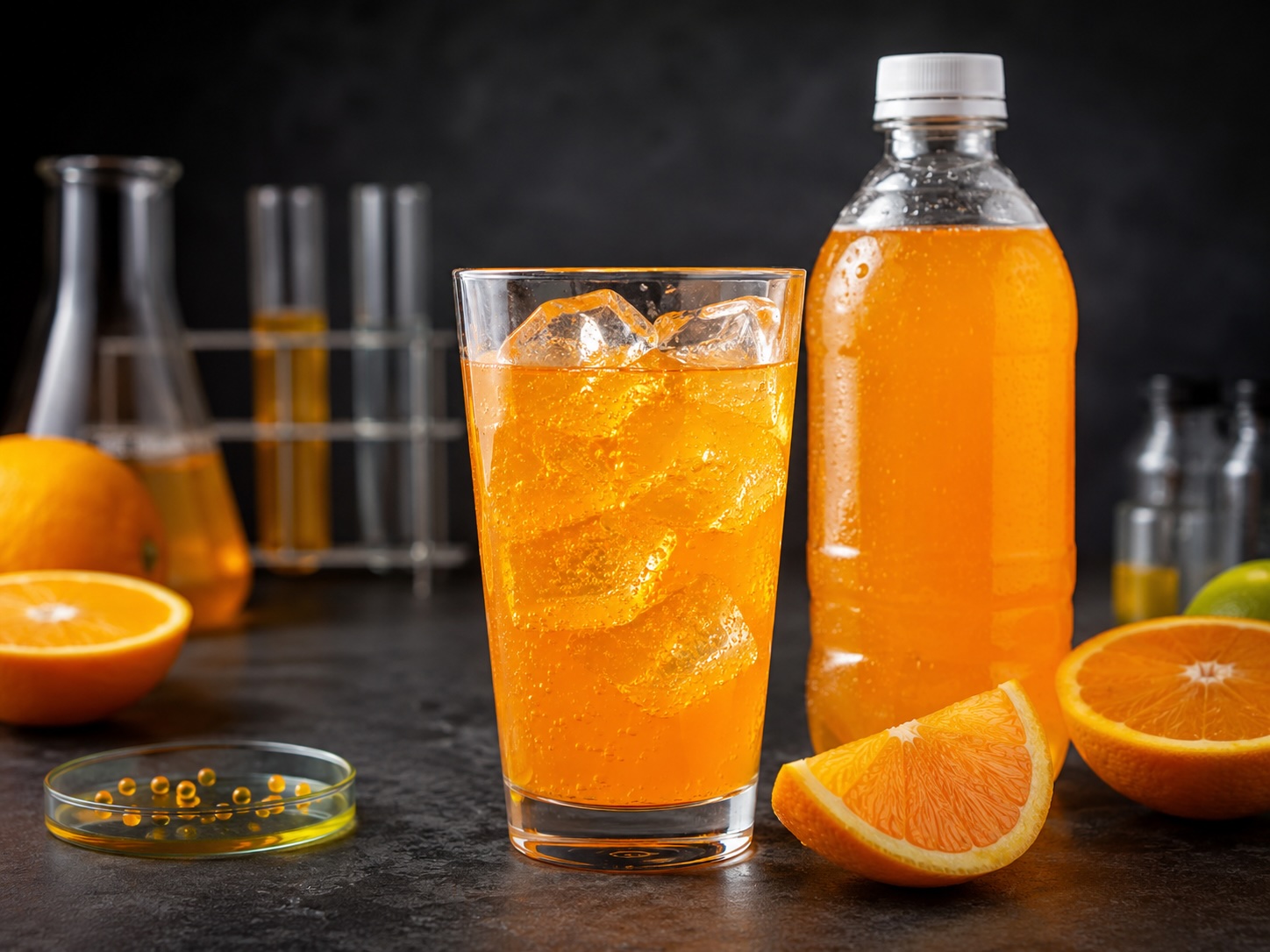
For nearly a century, brominated vegetable oil (BVO) was used in some soft drinks and fruit-flavored beverages sold in the United States. Most consumers had never heard of it, yet it quietly appeared in ingredient lists to help keep citrus flavorings evenly mixed.
After decades of scientific review and growing safety concerns, the U.S. Food and Drug Administration (FDA) concluded that BVO is no longer considered safe for use in food. In July 2024, the FDA officially revoked its approval, giving manufacturers one year to reformulate their products.
Here’s what brominated vegetable oil is, why it was used, why it became controversial, and what consumers should know today.
What Is Brominated Vegetable Oil?
Brominated vegetable oil, commonly called BVO, is a vegetable oil—usually soybean or palm oil—that has been chemically modified by attaching bromine to its fat molecules.
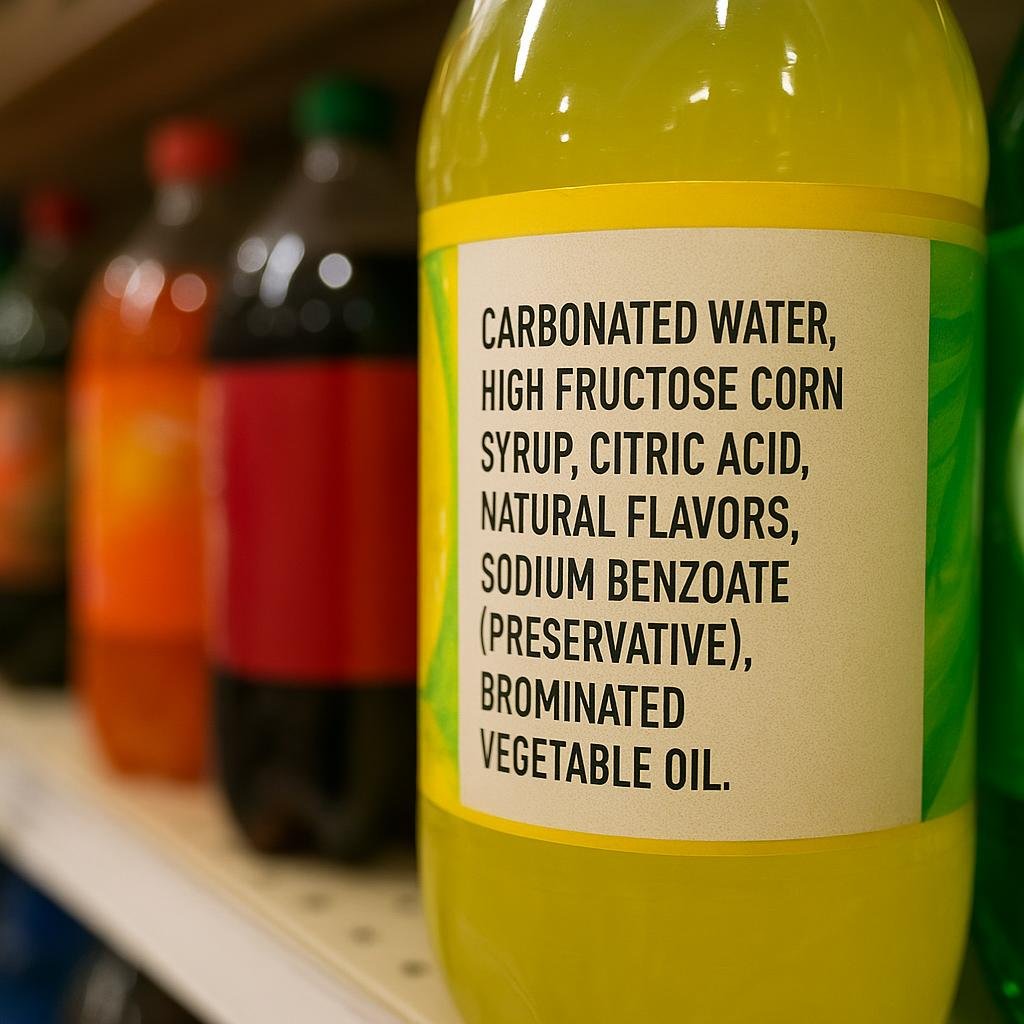
Its purpose wasn’t to improve nutrition or taste. Instead, it acted as an emulsifier, helping citrus flavoring stay evenly distributed throughout beverages.
Without a stabilizer like BVO, citrus oils naturally separate and float to the top.
Manufacturers primarily used BVO in:
- Citrus-flavored sodas
- Sports drinks
- Energy drinks
- Fruit-flavored beverages
- Drink concentrates and syrups
When present, it appeared on ingredient labels as brominated vegetable oil or brominated soybean oil.
Why Was BVO Used?
Oil and water don’t naturally mix.
Since citrus flavorings contain oils, beverage manufacturers needed an ingredient that prevented separation and kept drinks looking smooth and consistent.
For decades, BVO provided an inexpensive and effective solution.
As newer stabilizers became available, however, many major beverage companies voluntarily stopped using BVO long before it was officially banned.
Why Did the FDA Ban It?
The FDA’s decision wasn’t based on a single study.
Instead, it followed decades of scientific research and newer studies conducted with the National Institutes of Health (NIH).
The agency concluded that the available evidence no longer supported the safety of BVO in food and officially revoked its approval in July 2024.
The rule became effective in August 2024, with manufacturers given until August 2, 2025 to reformulate products, update labels, and remove existing inventory containing BVO.
What Health Concerns Were Identified?
One of the biggest concerns is that brominated fats can accumulate in the body over time.
Unlike many food ingredients that are quickly metabolized, brominated compounds may build up in fat tissue and certain organs after long-term exposure.
Recent FDA animal studies found increased levels of brominated fats in tissues after repeated exposure, raising concerns about possible long-term effects.
The Thyroid Became the Main Concern
The FDA’s more recent research identified the thyroid gland as the primary organ of concern.

The thyroid controls many essential body functions, including:
- Metabolism
- Energy production
- Body temperature
- Growth and development
- Hormone regulation
Animal studies suggested that higher exposures to BVO could affect thyroid function.
Scientists believe bromine may interfere with iodine, a mineral that the thyroid needs to produce its hormones properly.
Although these findings came primarily from animal studies, they were significant enough for the FDA to conclude that BVO could no longer be considered safe for use in food.
Does BVO Cause Cancer?
Unlike additives such as potassium bromate, BVO has not been directly linked to cancer in humans.
Current research does not establish a direct mechanism showing that BVO increases cancer risk in people.
Instead, the FDA’s decision focused on newer evidence showing the potential for adverse health effects, particularly involving bromine accumulation and thyroid toxicity.
Research on long-term health effects is ongoing.
Other Potential Health Effects
In addition to thyroid concerns, studies have suggested that long-term exposure to high levels of BVO may affect several organs.
Research has investigated possible effects involving:
- Fat tissue accumulation
- Heart tissue
- Liver
- Lungs
- Nervous system
- Hormone balance
Most of these findings come from animal studies using controlled laboratory conditions. More human research is needed to determine how these findings apply to typical dietary exposure.
Rare Cases of Bromine Toxicity
Extremely high consumption of beverages containing BVO has caused rare cases of bromine toxicity, sometimes called *bromism*.
Published medical reports describe individuals who consumed several liters of BVO-containing soda every day for months.
Reported symptoms included:
- Severe fatigue
- Headaches
- Memory problems
- Poor coordination
- Difficulty walking
- Skin lesions
These cases involved exceptionally large amounts of soda consumed over long periods and do not reflect typical intake.
The Long Road to a Ban
BVO has had one of the longest regulatory histories of any food additive.
1920s — BVO begins being used in beverages.
1958 — It is considered “Generally Recognized as Safe” (GRAS) under early FDA regulations.
Late 1960s — Questions about safety emerge, and the FDA removes BVO from the GRAS list.
1970 — The FDA limits its use to small amounts in fruit-flavored beverages while additional safety studies continue.
2014–2022 — The FDA conducts new research with the NIH to better understand long-term exposure.
2023 — The FDA proposes banning BVO.
2024 — The FDA officially revokes approval for BVO in food.
2025 — Manufacturers must remove BVO-containing products from the U.S. food supply.
The decision reflects the FDA’s ongoing process of reviewing older food additives as new scientific evidence becomes available.
Which Products Contained BVO?
Before the ban, BVO was found mainly in:
- Citrus sodas
- Orange-flavored soft drinks
- Sports drinks
- Energy drinks
- Fruit-flavored beverages
- Some drink syrups
Most major beverage companies had already replaced BVO years before the FDA’s final decision.
However, some smaller brands and private-label products continued using it until the ban took effect.
Should You Still Check Labels?
Today, the risk of purchasing a product containing BVO is much lower than it was several years ago.
Still, checking ingredient labels remains a smart habit, especially when buying imported beverages or older inventory.
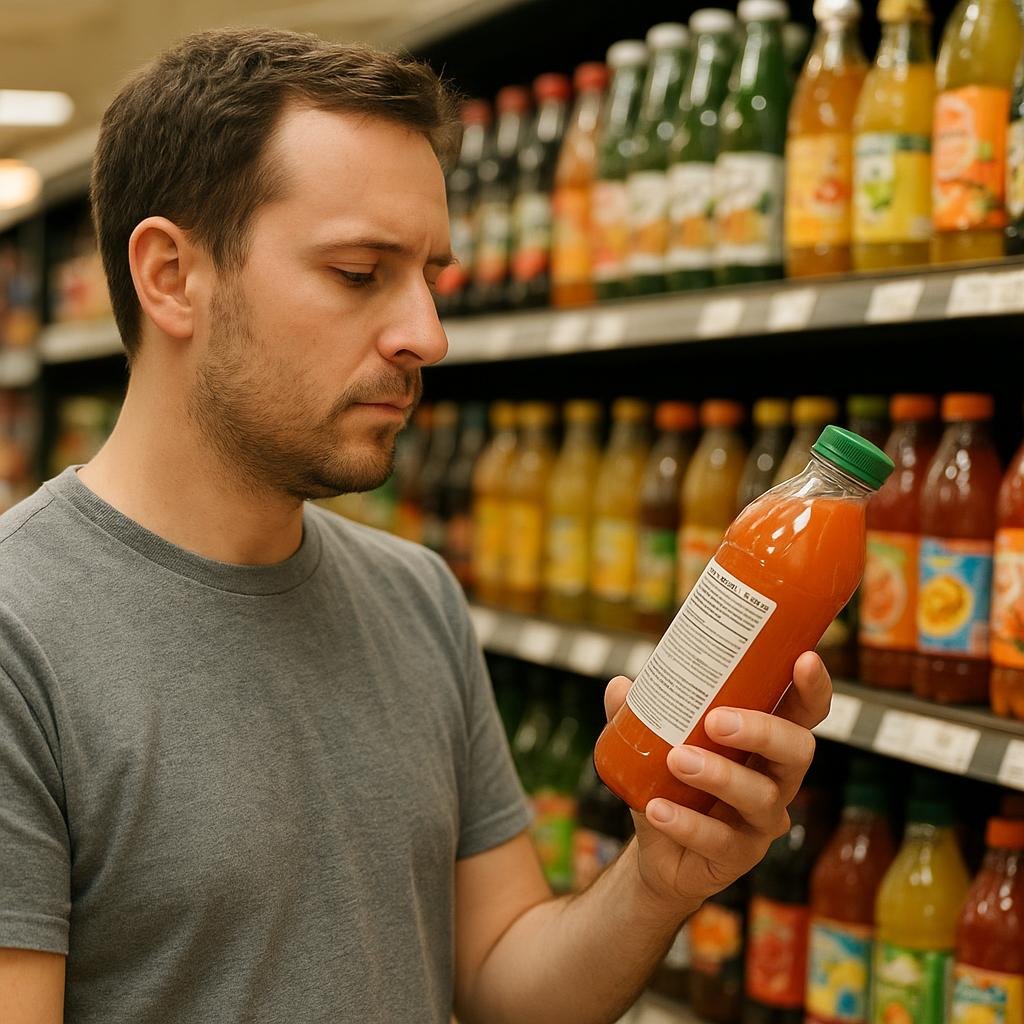
Look for ingredients such as:
- Brominated vegetable oil
- Brominated soybean oil
After the FDA’s compliance deadline, products sold in the United States should no longer contain BVO.
How InSpoon Can Help
Food labels often contain unfamiliar ingredient names that are difficult to interpret.
The InSpoon app helps you quickly identify food additives—including ingredients that have raised safety concerns—simply by scanning a product’s barcode. Instead of reading every ingredient list yourself, you can better understand what’s inside your food and make more informed shopping decisions.
Download InSpoon:
Frequently Asked Questions
What was BVO used for?
It kept citrus flavoring evenly mixed in beverages so the oils wouldn’t separate and float to the top.
Is BVO still allowed in the United States?
No. The FDA revoked its approval in 2024, and manufacturers had until August 2, 2025, to remove BVO-containing products from the U.S. food supply.
Does BVO cause cancer?
Current research has not established a direct link between BVO and cancer in humans. The FDA’s decision to ban BVO was based primarily on evidence of bromine accumulation in tissues and potential thyroid effects.
Should I avoid products containing BVO?
Since safer alternatives are widely available and BVO has now been banned in U.S. foods, choosing products without BVO is the simplest approach.
Final Thoughts
Brominated vegetable oil spent nearly 100 years in the American food supply before regulators concluded it was no longer safe.
Although it served an important manufacturing purpose by keeping citrus flavorings evenly mixed, newer research raised concerns about bromine accumulating in the body and potential effects on the thyroid.
Fortunately, consumers no longer need to worry much about finding BVO in new products. Most manufacturers replaced it years ago, and the FDA’s nationwide ban has now removed it from the U.S. food supply.
The story of BVO is also a reminder that food safety evolves with science. As researchers learn more about ingredients that have been used for decades, regulations can change to better protect public health.