You can eat plenty and still come up strangely empty.
That’s the trick behind empty calories. They look like food doing its job. Energy goes in, numbers go up, cravings calm down for a minute. But when the dust settles, your body didn’t get much besides fuel. No real help with fullness. Not much fiber. Not much protein. Barely any vitamins or minerals.
And the most annoying part? The usual suspects are the easiest things in the world to eat without noticing.
The Foods That Wear a Disguise
Calories are not the villain. Every calorie is energy.
The split happens somewhere else: some foods bring energy and useful extras. Others show up with almost nothing but the energy bill.
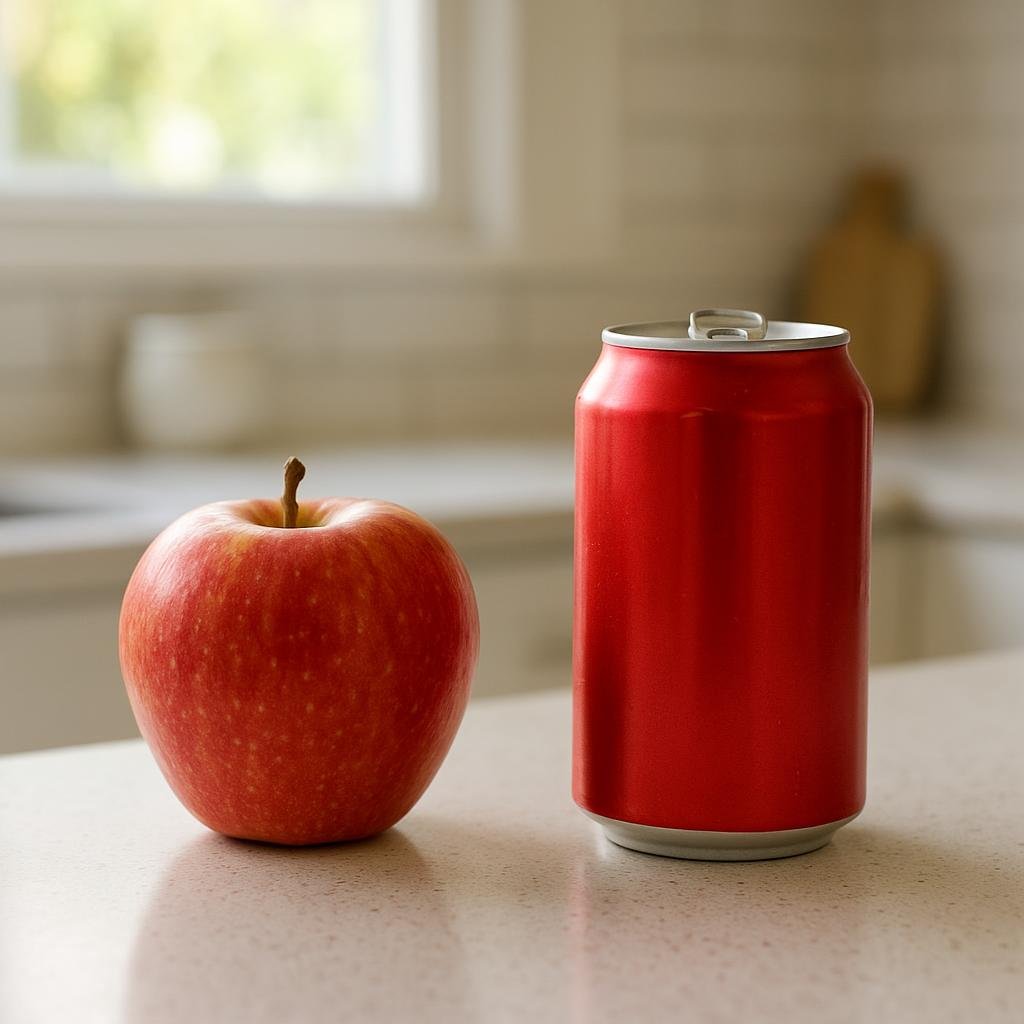
Think about an apple versus a soft drink. The number on paper might land in a similar neighborhood, but the job they do is completely different. The apple arrives with fiber, water, vitamins, and plant compounds. The soda mostly brings sugar.
That’s the whole game.
Empty calories usually come from three places:
- added sugar
- solid fats
- alcohol
That’s why the lineup is so predictable. Sweet drinks. Candy. Frosted baked goods. Fried treats. Many fast-food meals. Cocktails that taste more like dessert than alcohol.
None of these foods are evil. They’re just expensive in a very specific way: they cost calories without giving much back.
Why They’re So Good at Winning
If empty-calorie foods tasted bad, this would be easy.
Instead, they tend to be soft, salty, sugary, rich, or all four at once. They go down fast. They don’t ask for much chewing. And they often don’t keep you full for long.
That’s especially true with drinks.
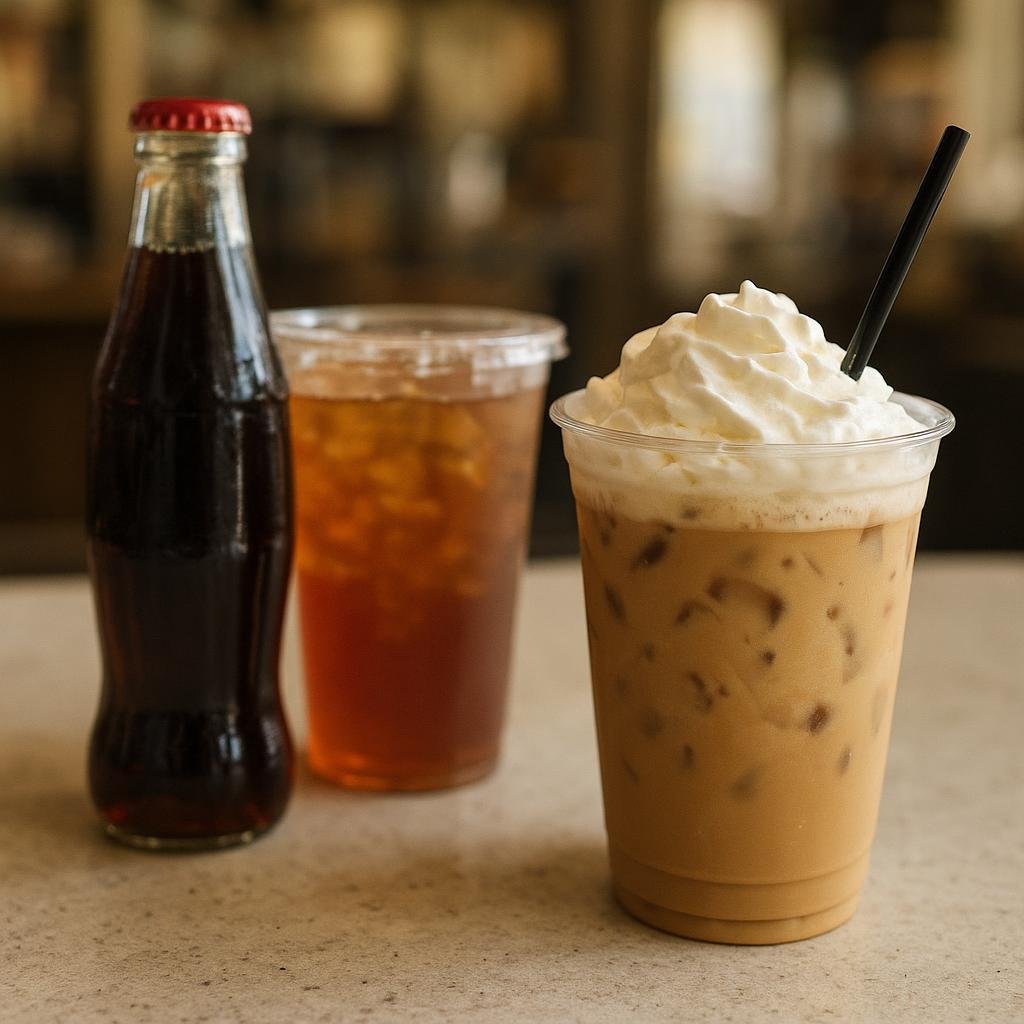
A bottle of soda, a sweet tea, a loaded coffee drink, an energy drink, a fruit-flavored beverage with added sugar—these can pour a lot of calories into the day without creating the “that was a real meal” feeling. Liquid calories are masters of the disappearing act.
Then come the foods built to be easy to overeat:
- chewy sweets and chocolate treats
- cookies, cake, and flaky bakery items
- fried rings of dough
- many fast-food orders packed with saturated fat, sugar, salt, and more calories than most people expect
The pattern is the same. Plenty of energy. Not much staying power.
So hunger returns. Eating continues. And the day quietly fills with calories that never really did the work.
The Plot Twist: Not Every Treat Belongs in the Same Box
This is where people usually make the mistake.
They start sorting food into saints and criminals.
But food doesn’t work that way. It lives on a spectrum.
Some foods that seem indulgent still offer something useful. Dark chocolate can bring plant compounds. Sweetened yogurt may have added sugar, but it also gives protein and calcium. Peanut butter is calorie-dense, yet it comes with healthy fats, vitamins, and protein.
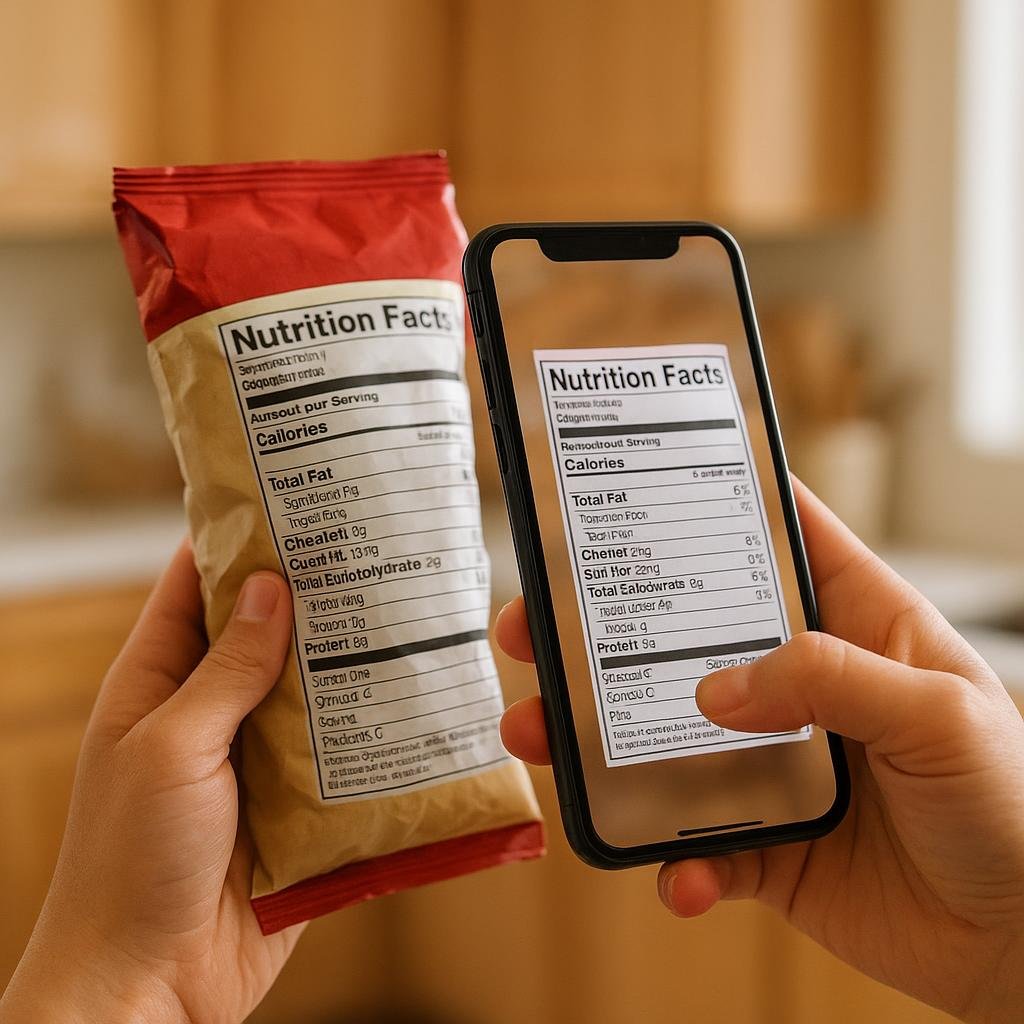
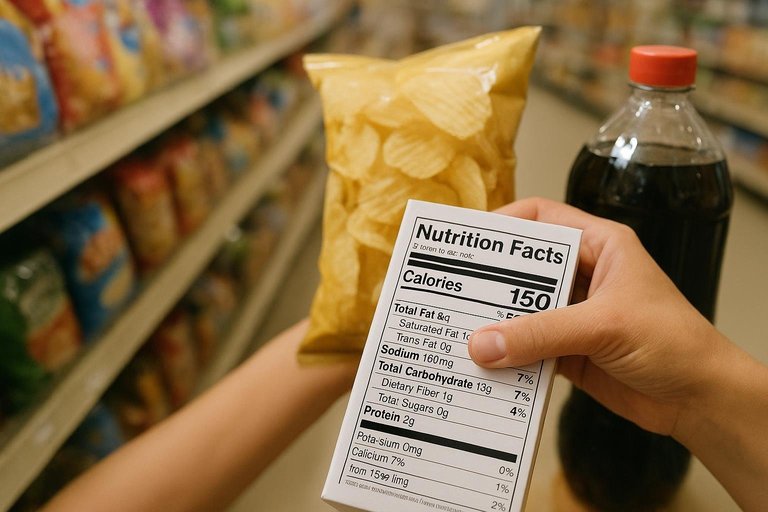
On the flip side, some products that look “healthy” from the front of the package can still be loaded with added sugar and light on anything else. A quick label check—or a scan in an app like InSpoon—can reveal whether that “better choice” is actually pulling its weight.
The real question isn’t, “Does this food have calories?”
It’s, “What else is coming with them?”
The Easiest Escape Route Isn’t What Most People Expect
Most people think fixing this means banning dessert and living on lettuce.
It usually starts somewhere much less dramatic.
The easiest cut is often beverages. Swap one sugary drink a day for water or unsweetened tea, and the weekly difference adds up fast.
After that, the smart move is not perfection. It’s replacement.
- trade soda for water or sparkling water
- trade candy for fruit
- trade a sugary breakfast pastry for toast made from whole grains with nut butter
- trade sweet cereal for a bowl of plain oats
- trade chips for air-popped popcorn or roasted chickpeas
- trade ice cream for plain Greek yogurt with fruit
Then the bigger shift starts to happen almost by accident: meals built from fruit, vegetables, beans, nuts, whole grains, lean protein, and dairy or fortified alternatives tend to deliver more nutrition per calorie. Home-cooked meals often help too, because they usually contain less added sugar, salt, and saturated fat than restaurant food.
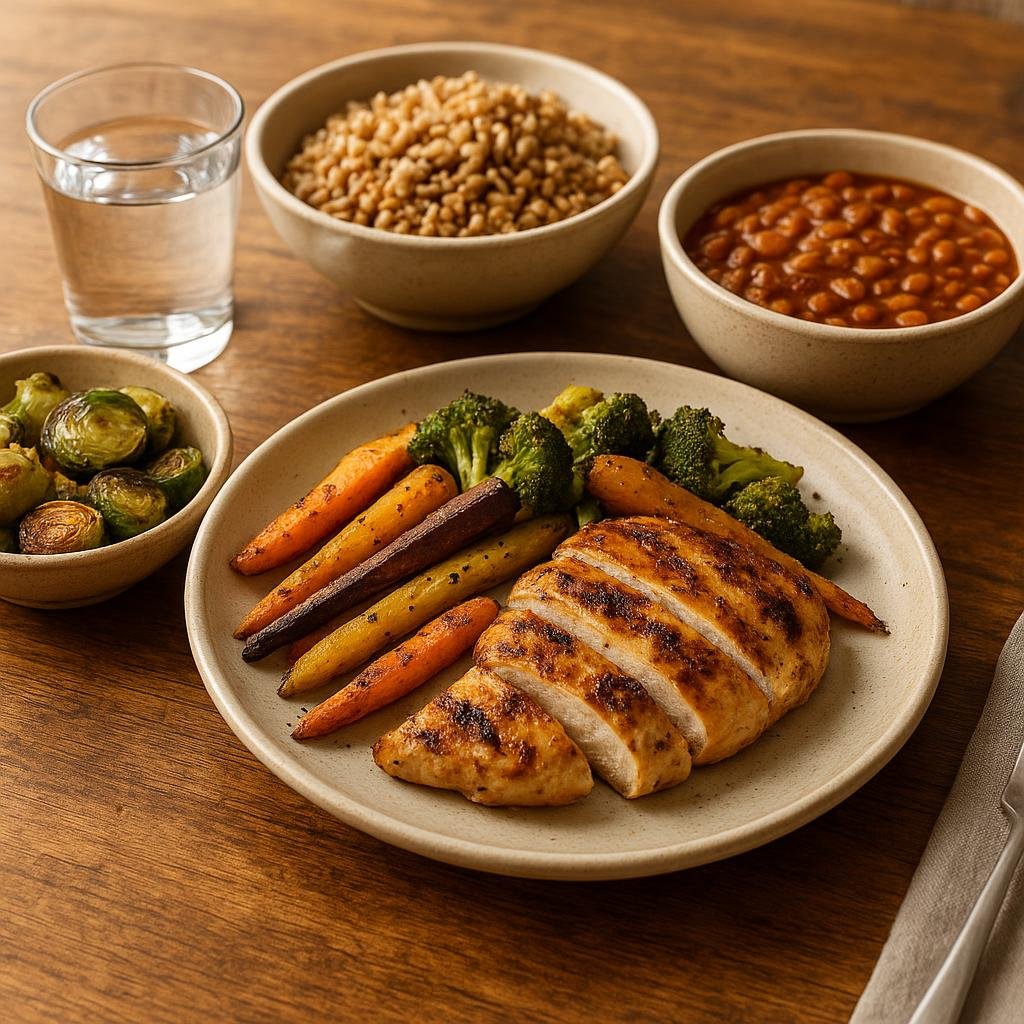
And that’s the payoff: empty calories aren’t “bad” because they have calories. They’re empty because they bring so little with them.
Which means the goal was never to erase every treat. It was to make sure most of your calories arrive carrying something useful. The twist is that one of the biggest upgrades often isn’t dessert at all.
It’s what’s in the glass.
How InSpoon Can Help
With InSpoon you can easily see the product contents for all – per serving, per 100g and per package and make the decisions safer.
The InSpoon app lets you scan packaged foods to instantly see calories, nutrition facts, ingredients, food additives, and an easy-to-understand health score—making it easier to compare products and better options while shopping.