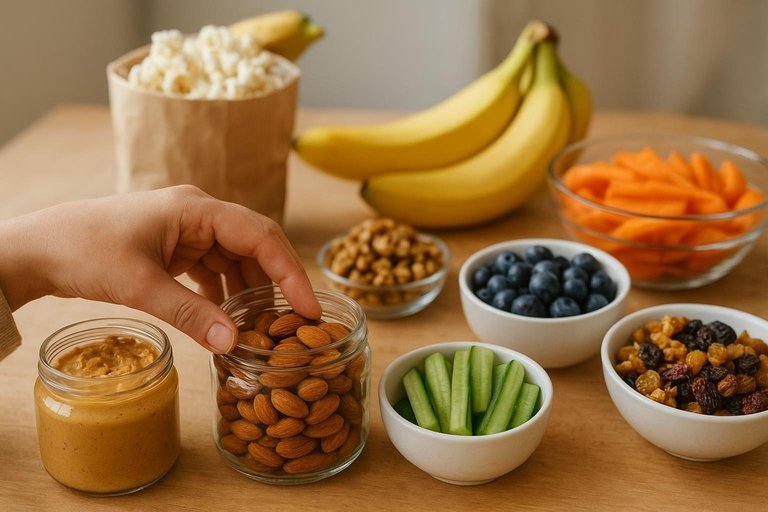
Snacks can be an important part of a healthy eating pattern. The right snack helps bridge the gap between meals, keeps energy levels steady, and provides valuable nutrients. The wrong snack, however, can add excess calories, sugar, sodium, and saturated fat without keeping you satisfied.
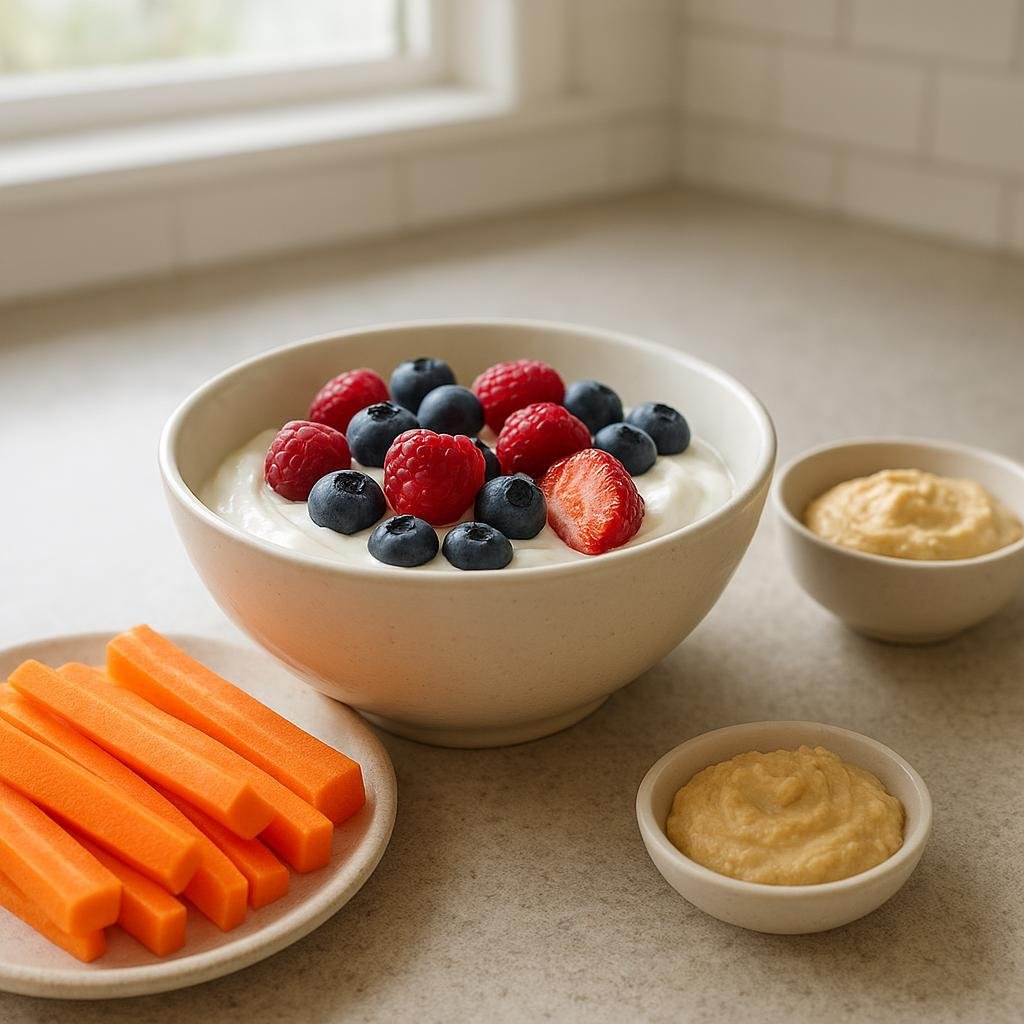
Research suggests that snacks account for roughly one-third of many people’s daily calorie intake, making snack quality just as important as meal quality.
What Makes a Healthy Snack?
The best snacks combine nutrients that help keep you full while providing lasting energy.
A simple formula recommended by many dietitians is:
- Protein
- Fiber-rich fruits or vegetables
- Healthy fats when appropriate
This combination slows digestion, improves satiety, and helps reduce the urge to keep snacking.
7 Ways to Snack Smarter
- Choose whole grains. Whole-grain crackers, toast, popcorn, or oats provide fiber and longer-lasting energy than refined snacks.
- Think beyond traditional snacks. Breakfast foods like oatmeal, Greek yogurt, or whole-grain toast also make excellent afternoon snacks.
- Pair heavier foods with lighter foods. Peanut butter with apple slices or hummus with vegetables creates a satisfying balance.
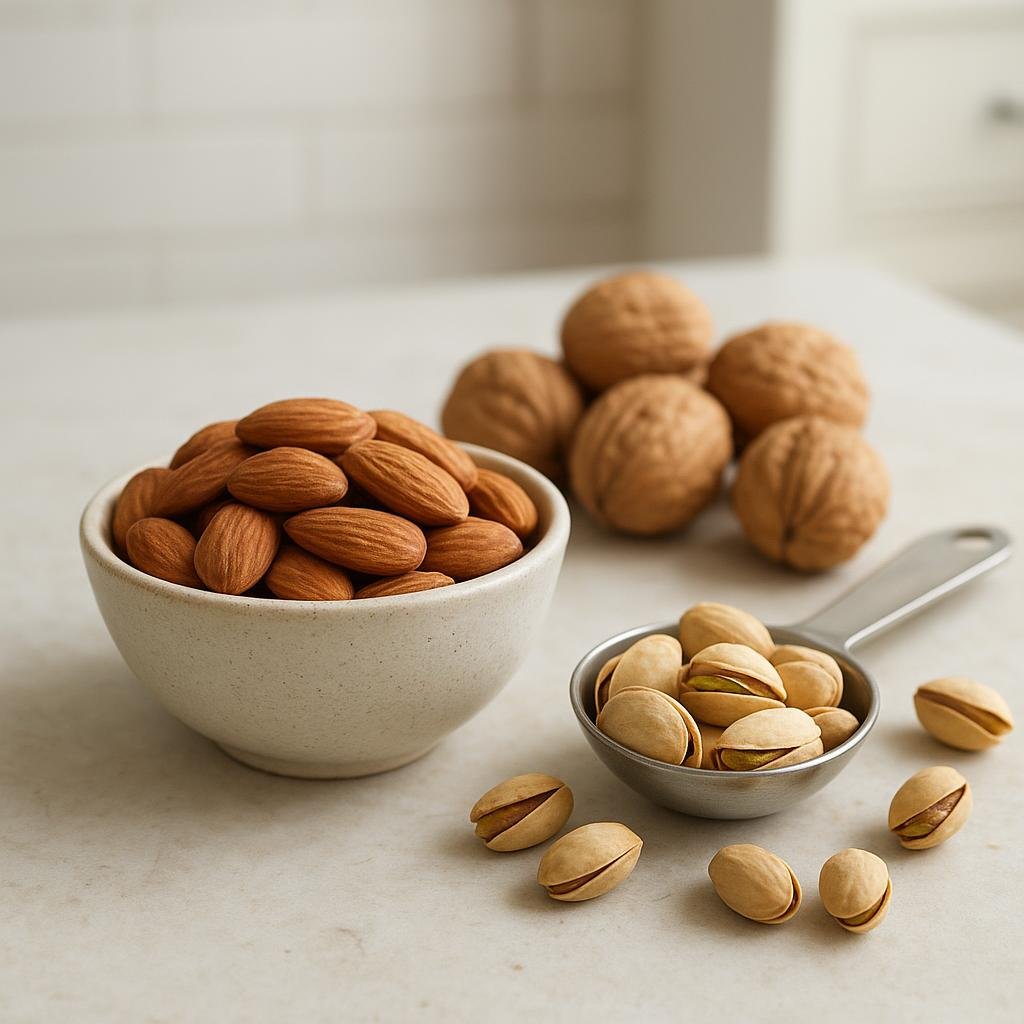
- Include nuts and seeds. Almonds, walnuts, pistachios, pumpkin seeds, and peanuts provide healthy fats, protein, and minerals. Keep portions moderate because they’re calorie-dense.
- Combine macronutrients. Pair carbohydrates with protein and healthy fats, such as whole-grain crackers with cheese or fruit with yogurt.
- Snack mindfully. Avoid eating while watching TV or working. Paying attention helps prevent overeating.
- Plan ahead. Carry healthy snacks so you aren’t forced to rely on vending machines or convenience foods.
Best Healthy Snack Combinations
| Protein | Fiber-Rich Food | Benefits |
|---|---|---|
| Greek yogurt | Berries | Protein, calcium, antioxidants |
| Peanut butter | Apple | Fiber, healthy fats, lasting energy |
| Hummus | Carrots or peppers | Fiber, vitamins, plant protein |
| Cottage cheese | Fruit | Protein and calcium |
| Hard-boiled eggs | Cucumber | Protein with very few calories |
30 Great Healthy Snack Ideas
- Greek yogurt with berries
- Apple with peanut butter
- Hummus with carrots
- Bell peppers with guacamole
- Hard-boiled eggs
- Cottage cheese with fruit
- Roasted chickpeas
- Air-popped popcorn
- Mixed nuts
- Trail mix
- Edamame
- Whole-grain toast with peanut butter
- Whole-grain crackers with cheese
- Cherry tomatoes with mozzarella
- Cucumber with hummus
- Banana with almond butter
- Overnight oats
- Chia pudding
- Dark chocolate with almonds
- Kale chips
- Homemade yogurt parfait
- Refried beans on corn tortilla
- Cottage cheese with tomatoes
- Apple with cheese
- Peppers with hummus
- Frozen banana slices with peanut butter
- Dry-roasted edamame
- Whole-grain waffle with almond butter
- Roasted sweet potato wedges with hummus
- Fresh fruit
Foods to Limit
Many packaged snacks look healthy but contain significant amounts of added sugar, sodium, refined flour, or saturated fat.
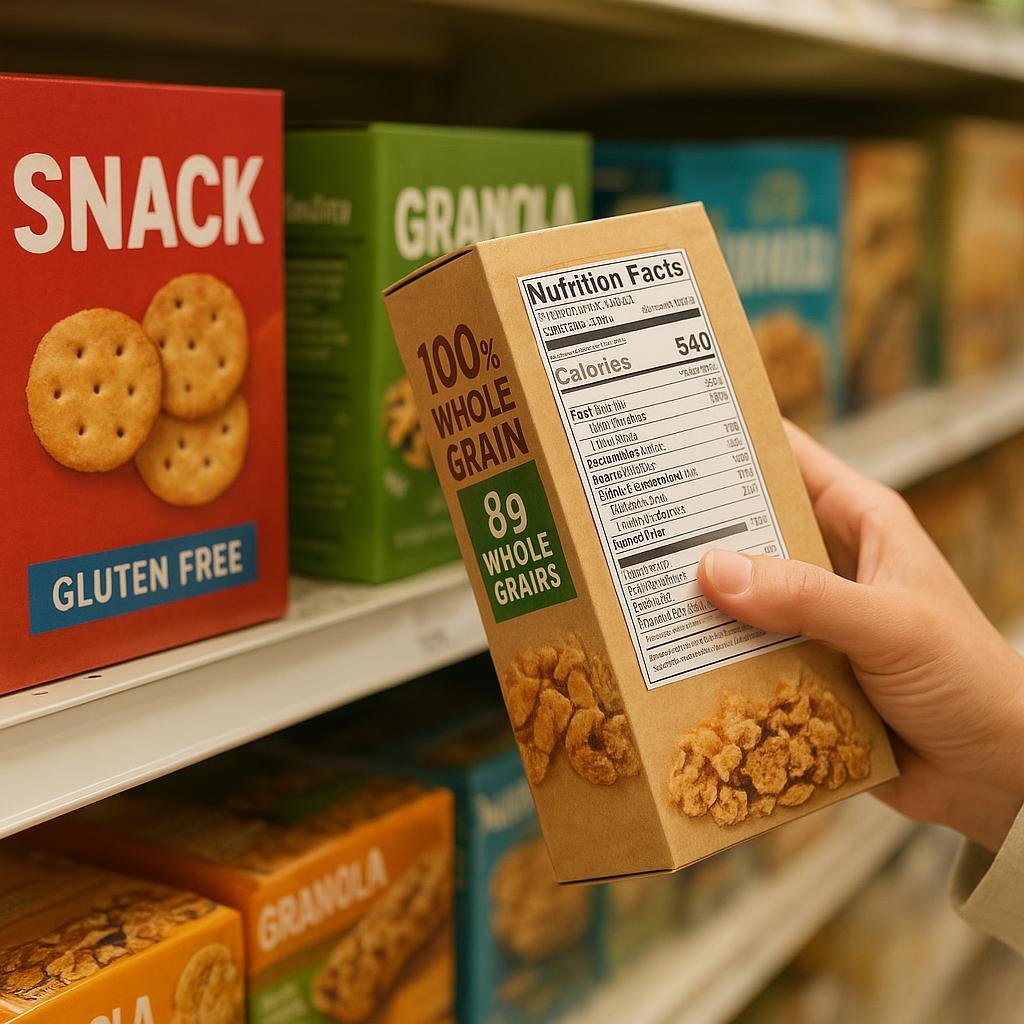
Examples include:
- Candy bars
- Potato chips
- Cookies
- Pastries
- Sugary cereal bars
- Highly processed snack foods
Even products labeled “fat-free” may compensate with added sugar or sodium.
Watch Portion Sizes
Even nutritious snacks can contribute excess calories if portions become too large.
Many registered dietitians recommend snacks around 150-250 calories, depending on individual energy needs and activity level. Two planned snacks per day are enough for most people.
Simple Healthy Snack Tips
- Keep fruit visible on the counter.
- Prep vegetables ahead of time.
- Carry nuts or roasted chickpeas when traveling.
- Choose whole foods more often than packaged snacks.
- Include protein whenever possible.
- Drink water before reaching for another snack.
How InSpoon Can Help
Many snacks marketed as “healthy” contain surprising amounts of added sugar, sodium, or saturated fat. InSpoon lets you scan packaged snacks instantly, compare healthier alternatives, and understand what’s really inside before you buy.
Frequently Asked Questions
What is the healthiest snack?
A snack that combines protein with fiber-rich fruits or vegetables, such as Greek yogurt with berries or hummus with carrots.
Should snacks include protein?
Yes. Protein helps keep you full longer and supports muscle maintenance.
Are nuts healthy?
Yes. Nuts provide healthy fats, protein, fiber, and important minerals, but because they are calorie-dense, moderate portions are recommended.
How many snacks should I eat each day?
Most healthy adults do well with one or two planned snacks between meals, depending on hunger, activity level, and overall calorie needs.