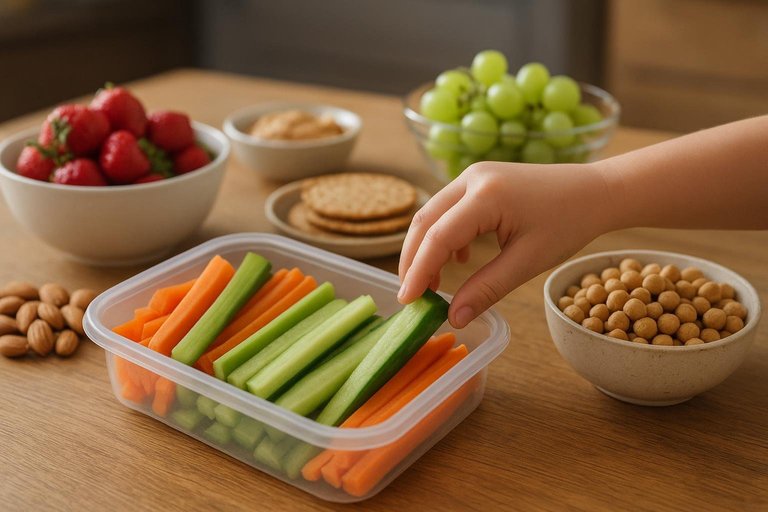
Finding healthy snacks that kids genuinely enjoy can feel impossible. One day they love apple slices, the next day they refuse to touch them. Add busy schedules, lunchboxes, sports practice, and picky eating, and snack time quickly becomes a challenge.
The good news? Healthy snacks don’t have to be complicated.
The best snacks provide lasting energy, important nutrients, and enough protein or fiber to keep kids satisfied between meals—all while tasting great.
Here are 25 healthy snack ideas that both parents and kids can feel good about.
What Makes a Healthy Snack?
Children grow rapidly and burn a lot of energy throughout the day. Healthy snacks help fill the gap between meals and provide nutrients needed for growth and development.
A balanced snack usually includes two or more of these:
- Protein
- Healthy fats
- Fiber
- Whole grains
- Fruits
- Vegetables
The goal isn’t perfection—it’s choosing foods that provide more nutrition and fewer highly processed ingredients whenever possible.
1. Fresh Fruit
Fresh fruit remains one of the easiest and healthiest snacks for kids.
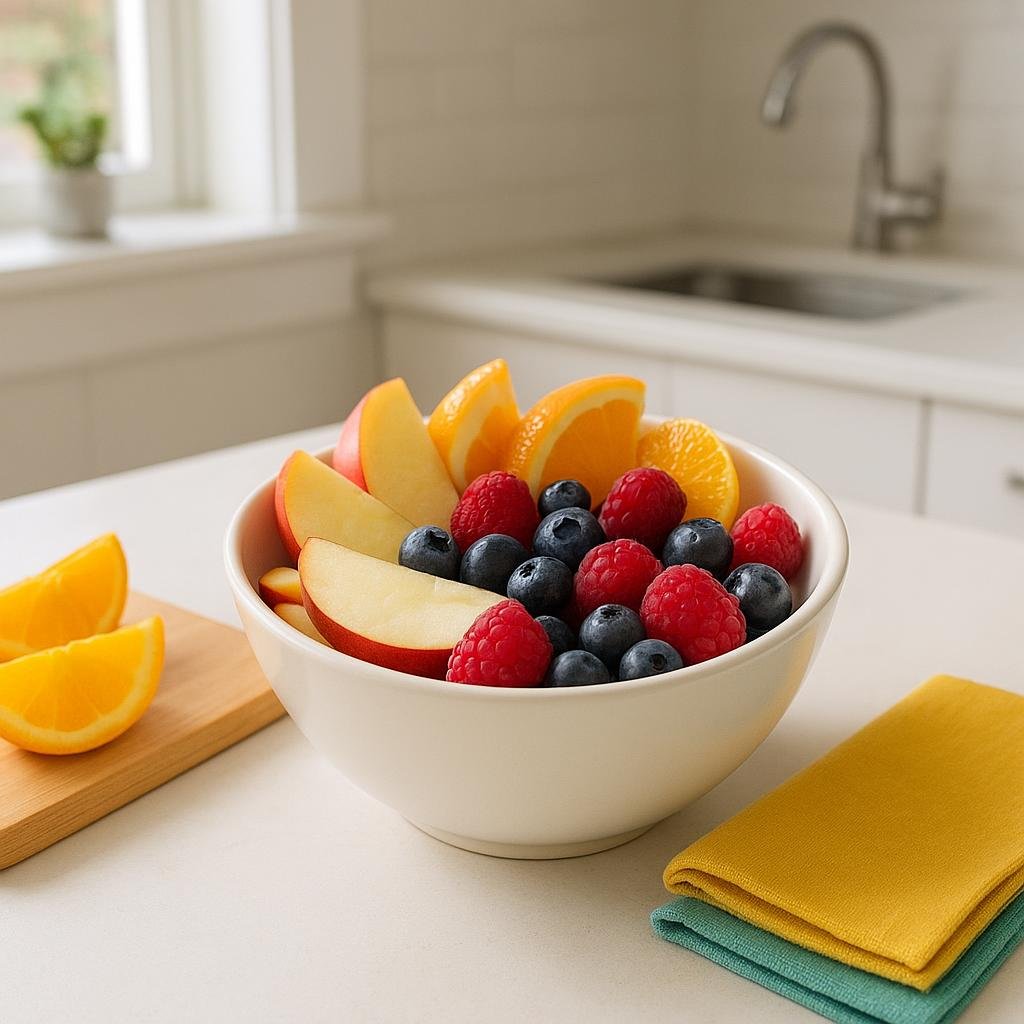
Great options include:
- Apples
- Bananas
- Berries
- Grapes
- Oranges
- Pears
- Mango
- Kiwi
Fruit naturally provides fiber, vitamin C, potassium, and many antioxidants.
2. Apple Slices with Nut Butter
Pairing fruit with peanut, almond, or cashew butter adds protein and healthy fats that help keep kids full longer.
Choose nut butters made with:
- Nuts only
- Or nuts plus a little salt
Avoid products with added sugars or hydrogenated oils whenever possible.
3. Greek Yogurt
Plain Greek yogurt is packed with protein and calcium.
Add natural sweetness with:
- Blueberries
- Strawberries
- Banana slices
- Cinnamon
Instead of buying flavored yogurts, which often contain significant added sugar.
4. Vegetable Sticks and Hummus
Crunchy vegetables become much more exciting with a tasty dip.
Try:
- Carrots
- Cucumbers
- Bell peppers
- Snap peas
- Celery
Hummus also provides fiber and plant-based protein.
5. Hard-Boiled Eggs
Hard-boiled eggs are portable, inexpensive, and rich in:
- High-quality protein
- Choline
- Vitamin D
- Selenium
Prepare several at once for grab-and-go snacks throughout the week.
6. Homemade Trail Mix
Skip mixes loaded with candy.
Instead combine:
- Unsalted nuts
- Pumpkin seeds
- Sunflower seeds
- Raisins
- Freeze-dried fruit
- Whole-grain cereal
This combination offers healthy fats, fiber, and protein.
7. Air-Popped Popcorn
Popcorn is actually a whole grain.
Air-popped popcorn provides:
- Fiber
- Complex carbohydrates
- Very few calories before toppings
Season with herbs, cinnamon, or a small amount of Parmesan instead of lots of butter.
8. Cottage Cheese with Fruit
Cottage cheese is another excellent protein-rich snack.
Pair it with:
- Pineapple
- Peaches
- Blueberries
- Strawberries
The combination provides both protein and natural sweetness.
9. Cheese and Whole-Grain Crackers
Cheese supplies calcium and protein, while whole-grain crackers add fiber.
Keep portions moderate since cheese can also be high in saturated fat and sodium.
10. Homemade Smoothies
Smoothies are a great way to include fruits and even vegetables.
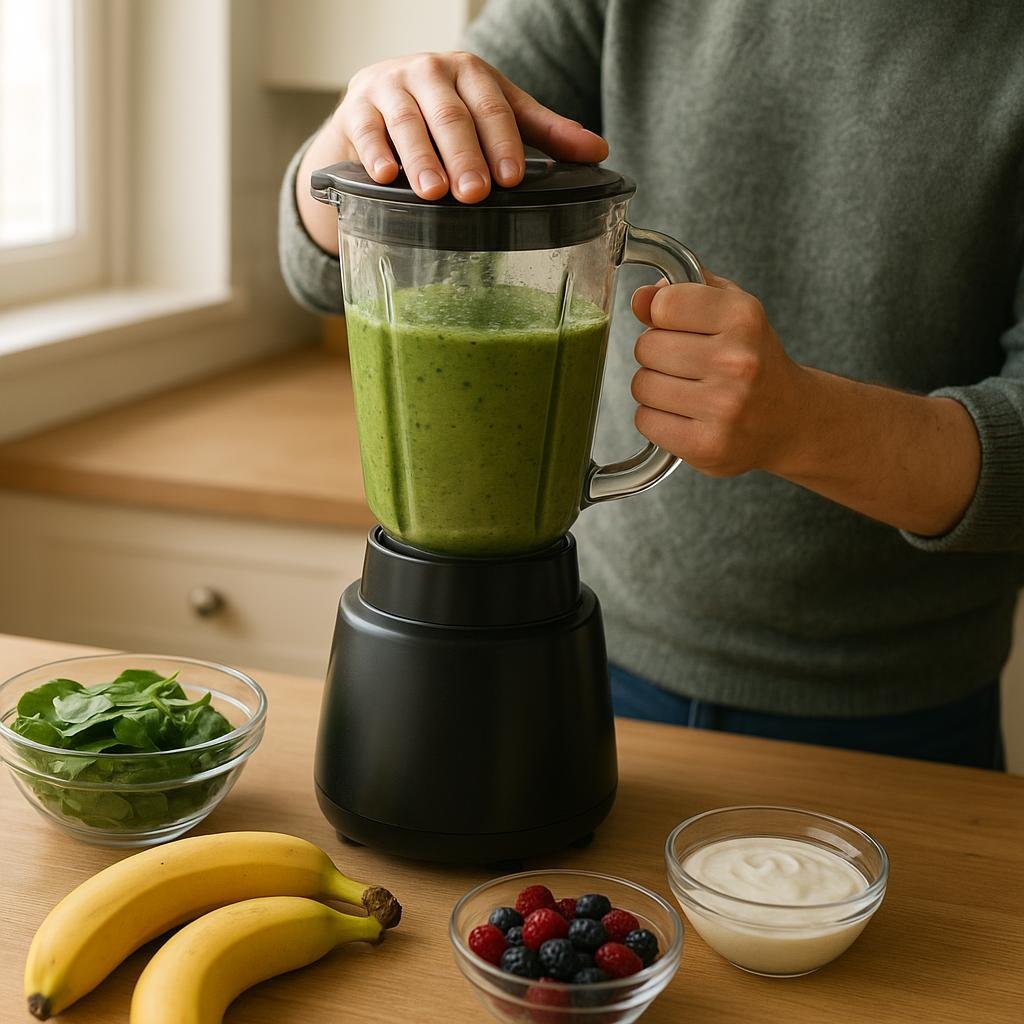
Try blending:
- Frozen berries
- Banana
- Plain yogurt
- Milk
- Spinach
Kids usually won’t notice the spinach.
11. Rice Cakes with Nut Butter
Rice cakes make an easy base for healthy toppings.
Try:
- Peanut butter + banana
- Almond butter + strawberries
- Hummus + cucumber
12. Homemade Energy Balls
Energy bites made from oats, nut butter, seeds, and dates provide:
- Fiber
- Healthy fats
- Natural sweetness
They’re easy to prepare in batches.
13. Roasted Chickpeas
Roasted chickpeas become crunchy and satisfying.
They’re rich in:
- Protein
- Fiber
- Iron
Season them with paprika, garlic powder, or cinnamon.
# 14. Avocado Toast
Whole-grain toast topped with mashed avocado provides:
- Healthy monounsaturated fats
- Fiber
- Potassium
Add sliced tomatoes or a boiled egg for extra nutrition.
15. Banana Oat Cookies
Mash:
- 2 ripe bananas
- 1 cup rolled oats
Bake for about 15 minutes.
Simple, naturally sweet, and made with just two ingredients.
16. Homemade Fruit Popsicles
Blend fruit with yogurt and freeze into popsicle molds.
Kids get the fun of frozen treats without large amounts of added sugar.
17. Turkey Roll-Ups
Roll slices of turkey around:
- Cheese
- Avocado
- Cucumber sticks
A protein-rich snack that’s easy to pack.
18. Mini Sandwiches
Use whole-grain bread with fillings like:
- Peanut butter and banana
- Turkey and cheese
- Hummus and cucumber
Cut into fun shapes to make them more appealing.
19. Oatmeal
Oatmeal isn’t only for breakfast.
Top warm oats with:
- Cinnamon
- Apples
- Blueberries
- Chopped walnuts
Oats provide slow-digesting carbohydrates and fiber.
20. Homemade Granola
Many store-bought granolas contain lots of added sugar.
Making your own lets you control the ingredients while adding nuts, seeds, and dried fruit.
21. Fruit and Cheese Kabobs
Thread cubes of cheese with:
- Grapes
- Strawberries
- Melon
- Blueberries
Kids often enjoy food more when it’s presented differently.
22. Sweet Potato Fries
Bake sliced sweet potatoes with olive oil and spices.
Sweet potatoes provide:
- Fiber
- Vitamin A
- Potassium
23. Quesadilla
A whole-wheat tortilla filled with cheese and beans or chicken makes a filling afternoon snack.
Add vegetables whenever possible.
24. Frozen Banana Bites
Freeze banana slices topped with peanut butter.
They’re creamy, naturally sweet, and require no added sugar.
25. DIY Snack Plate
Instead of one snack, build a balanced plate with several small portions.
For example:
- Apple slices
- Cheese cubes
- Carrot sticks
- Whole-grain crackers
- Hummus
Kids often enjoy choosing what to eat next.
Healthy Snack Tips for Parents
A few simple habits can make healthy snacking much easier:
- Keep washed fruit visible in the refrigerator.
- Prepare vegetables ahead of time.
- Offer water instead of sugary drinks.
- Include protein whenever possible.
- Choose whole foods more often than packaged snacks.
- Let kids help prepare snacks—they’re often more willing to eat foods they helped make.
What About Packaged Snacks?
Packaged snacks can absolutely fit into a healthy diet, especially on busy days.
When shopping, compare labels and look for products with:
- Short ingredient lists
- More protein and fiber
- Less added sugar
- Lower sodium
- Whole-food ingredients when possible
Remember that marketing terms like “natural,” “made with whole grains,” or “kids’ healthy snack” don’t always mean a product is nutritious.
Reading the nutrition label is the best way to know what’s actually inside.
How InSpoon Can Help
Choosing healthier packaged snacks isn’t always easy.
The InSpoon app lets you scan food barcodes to quickly see nutrition information, ingredients, food additives, and an easy-to-understand health score—making it simpler to compare snack options while shopping.
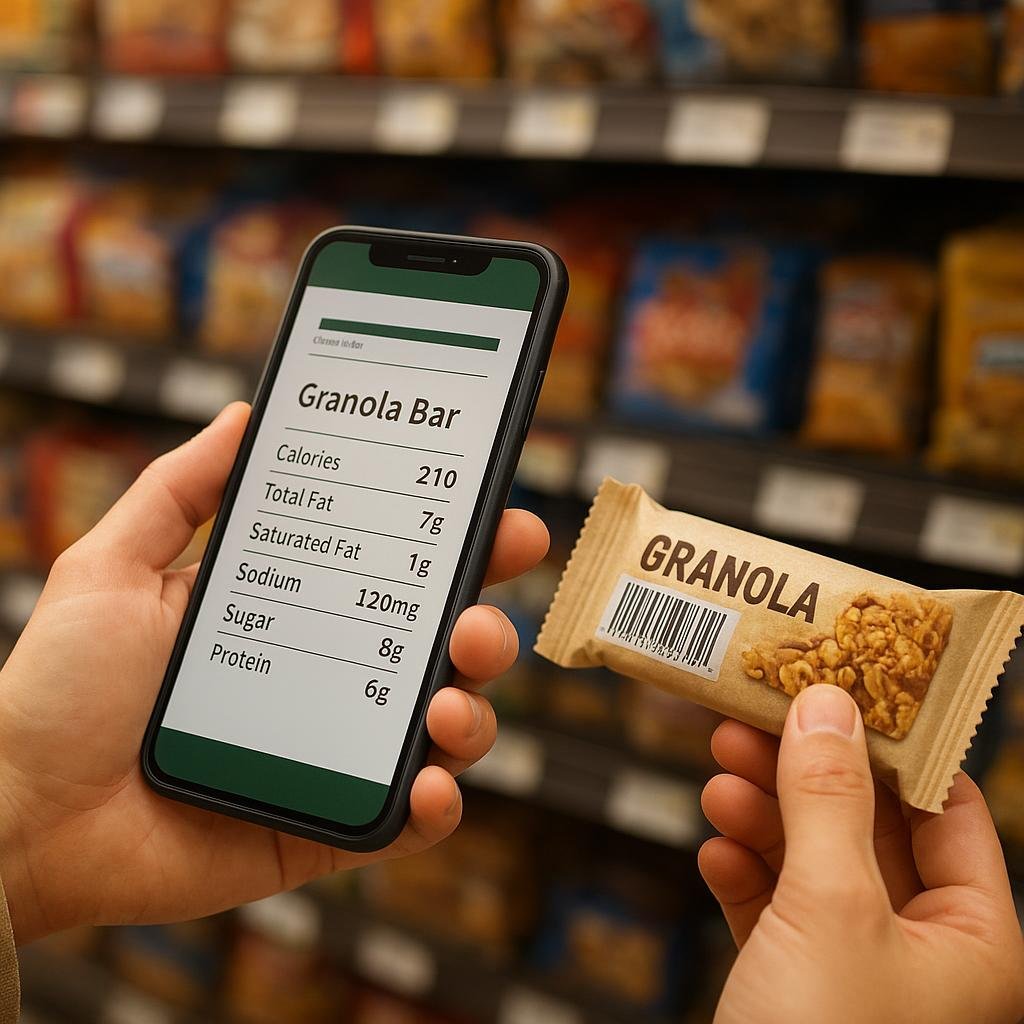
Whether you’re buying granola bars, crackers, yogurt, or popcorn, InSpoon helps you make more informed choices for your family.
Download InSpoon:
Frequently Asked Questions
What is the healthiest snack for kids?
Fresh fruit paired with a source of protein or healthy fat—such as Greek yogurt, cheese, or nut butter—is one of the best options.
Should kids eat snacks every day?
Yes. Most children benefit from one or two nutritious snacks between meals to meet their energy and nutrient needs.
Are granola bars healthy?
Some are, but many contain large amounts of added sugar. Look for bars made with whole grains, nuts, seeds, and minimal added sweeteners.
## Are dried fruits healthy?
Yes, but portion size matters. Drying fruit concentrates its natural sugars, so small servings are usually best.
Is popcorn healthy for kids?
Air-popped popcorn can be a nutritious whole-grain snack for older children. Avoid excessive butter, salt, and sugary coatings, and remember that popcorn is a choking hazard for very young children.
Final Thoughts
Healthy snacks don’t need to be expensive, complicated, or time-consuming. A simple combination of fruits, vegetables, whole grains, protein, and healthy fats can keep kids energized while supporting their growth and development.
The best snack is one your child actually enjoys eating—so don’t be afraid to experiment with different combinations and involve them in choosing and preparing healthy foods.