Most people know where the obvious troublemakers live: cake, fries, chips. Drive-thru meals with three layers and a secret sauce.
That’s not usually where the ambush happens.
The real damage often comes from foods that look innocent, sound healthy, or arrive in such tiny side portions that nobody bothers to count them. A splash here. A drizzle there. One “better-for-you” snack in the afternoon. By night, the math has quietly turned ugly.
The Tiny Add-Ons That Act Like Full Meals
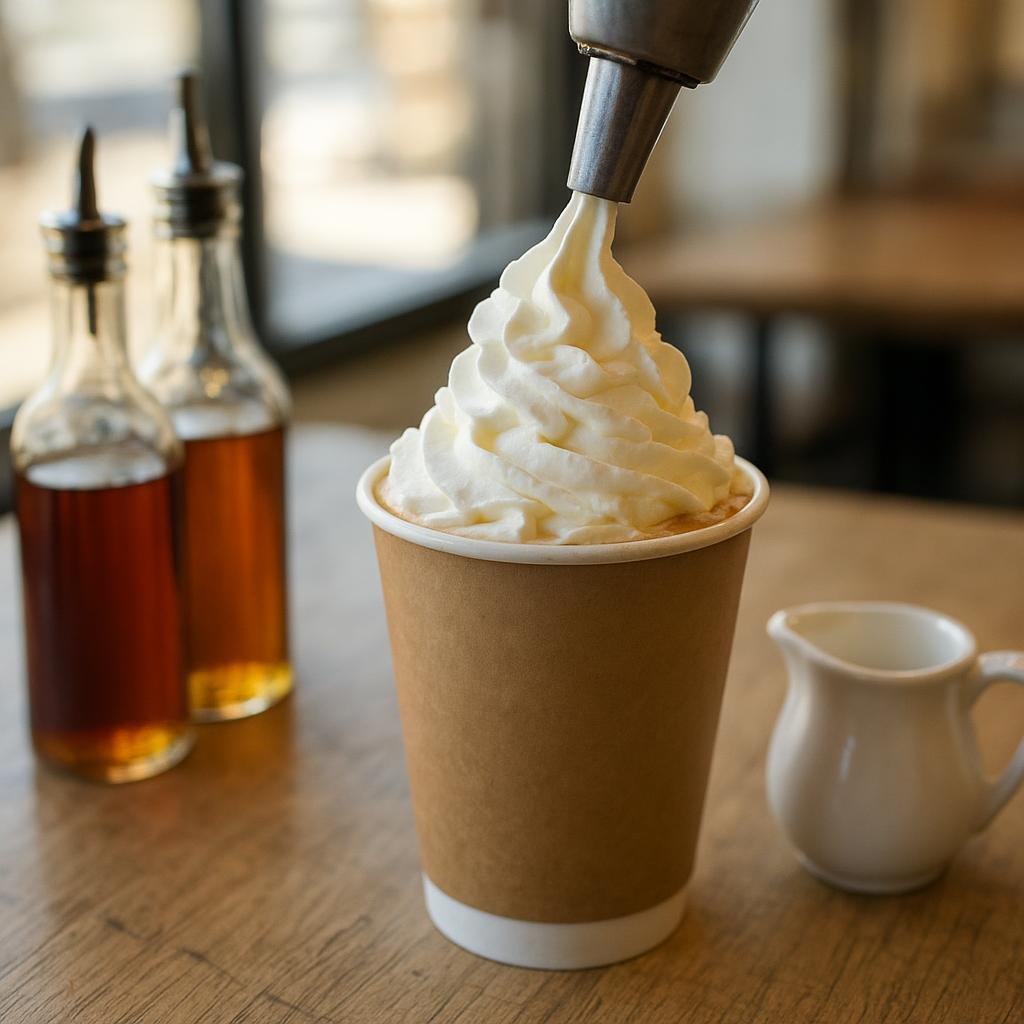
A plain coffee is basically a bystander. Then syrup shows up. Then cream. Then whipped cream. Suddenly breakfast is drinking a milkshake with a lid.
The same trick happens on salad.
A bowl of greens can start out light, fresh, and smug. Then ranch, Caesar, or blue cheese dressing gets poured on like nobody is watching. Even vinaigrette can pile up fast when it’s free-poured instead of measured.
Then come the extras that seem too small to matter:
- Mayo
- Ketchup
- BBQ sauce
- Honey mustard
- Butter
- Sour cream
One spoonful doesn’t look dramatic. But stack enough sauces onto a sandwich, burger, wrap, or baked potato, and the “extra” calories can rival the food underneath them.
Cooking oil deserves its own crime scene tape. Olive oil has health benefits, yes. It also has about 120 calories per tablespoon. A pan can swallow two or three tablespoons before anyone notices.
Healthy and low-calorie are not twins. Sometimes they barely know each other.
The “Healthy” Halo Is Doing a Lot of Work
This is where things get sneaky.
Granola sounds disciplined. Trail mix sounds outdoorsy. Protein bars sound like something a responsible person eats between meetings. Dried fruit sounds practically virtuous.
They can all be fine foods. They can also be calorie-dense enough to turn a casual snack into a stealth lunch.
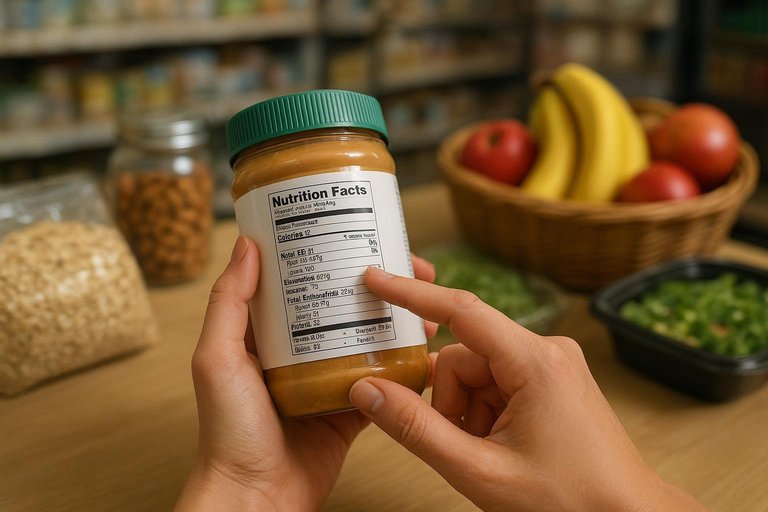
Nuts and nut butters pull the same move. They bring useful things to the table—healthy fats, fiber, protein, vitamins. They also pack a lot of energy into a very small space. A “small handful” has a habit of becoming a much larger one.
Smoothies might be the smoothest con of all.
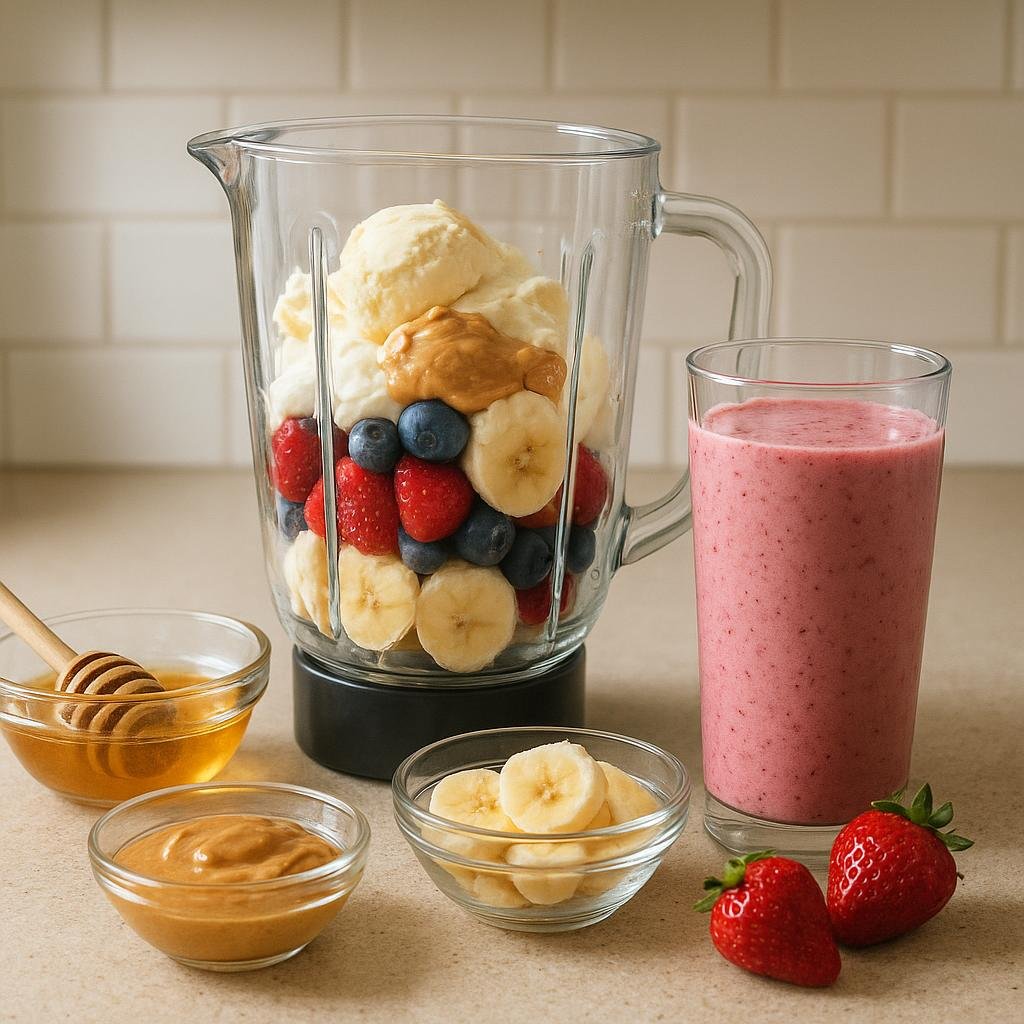
People hear “fruit” and stop asking questions. But many store-bought smoothies are built with fruit juice, sweetened yogurt, honey, syrup, nut butter, or even ice cream. At that point, the blender has made a full meal wearing gym clothes.
And then there’s the label trap: low-fat.
That phrase sounds safe. But when companies remove fat, they often patch the flavor with sugar, starch, and other add-ins. The result can end up with calories similar to the regular version—or sometimes more. The front of the package says one thing. The nutrition label says, “Not so fast.”
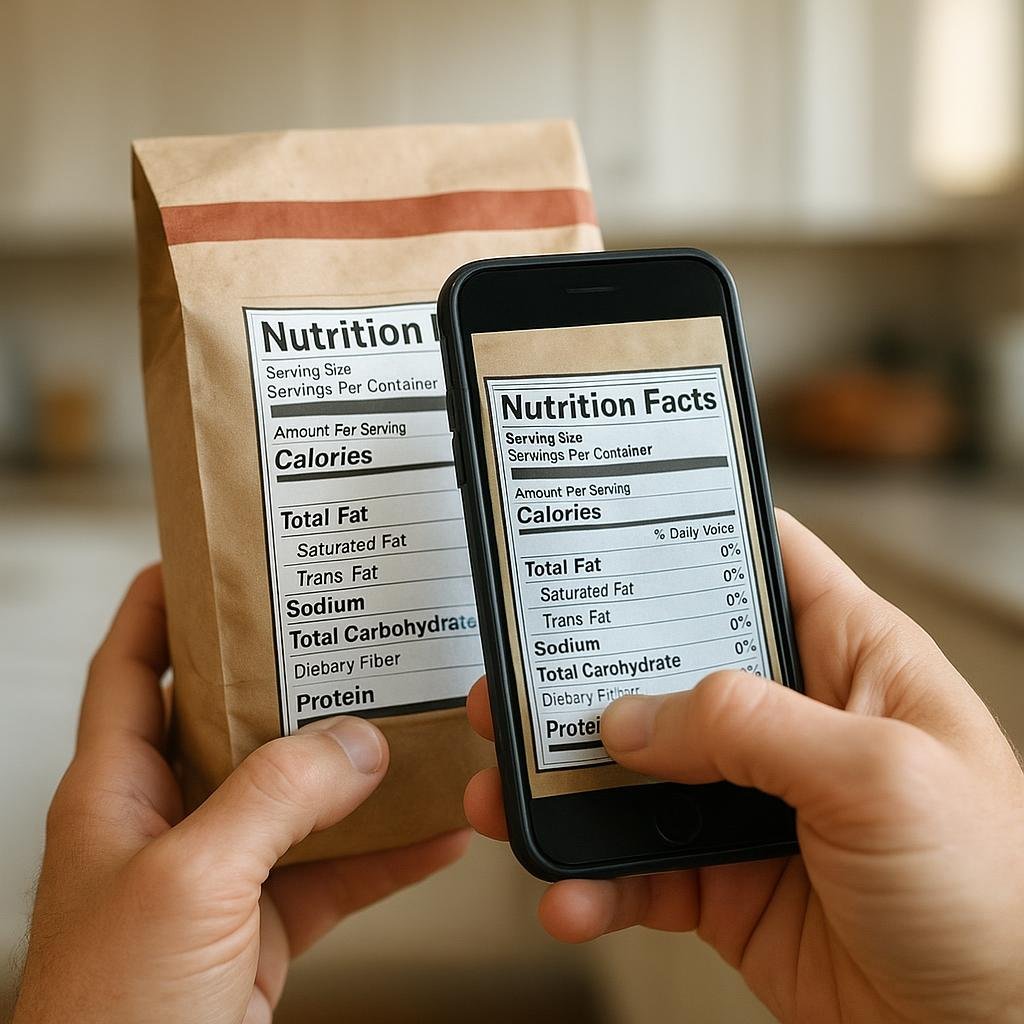
A quick barcode scan with something like InSpoon can make these “healthy” packaged foods a lot less mysterious, especially when the serving size is doing acrobatics.
Drinks Count, Even When Your Brain Pretends They Don’t
Liquid calories have a special advantage: they often don’t make you feel as full as food does.
That makes them easy to miss and easy to repeat.
The obvious players are there:
- Soda
- Sweet tea
- Sports drinks
- Juice drinks
- Energy drinks
- Sweet coffee drinks
Alcohol joins the lineup too. Beer, wine, cocktails, mixed drinks—they all bring calories, and cocktails often drag in sugar-heavy mixers as backup. Alcohol also has a nasty side hustle: it can make late-night food decisions much worse.
So a drink can hit twice. First with calories. Then by talking you into fries.
The Biggest Trap Isn’t One Food. It’s the Crowd
Restaurant meals are where hidden calories put on a group performance.
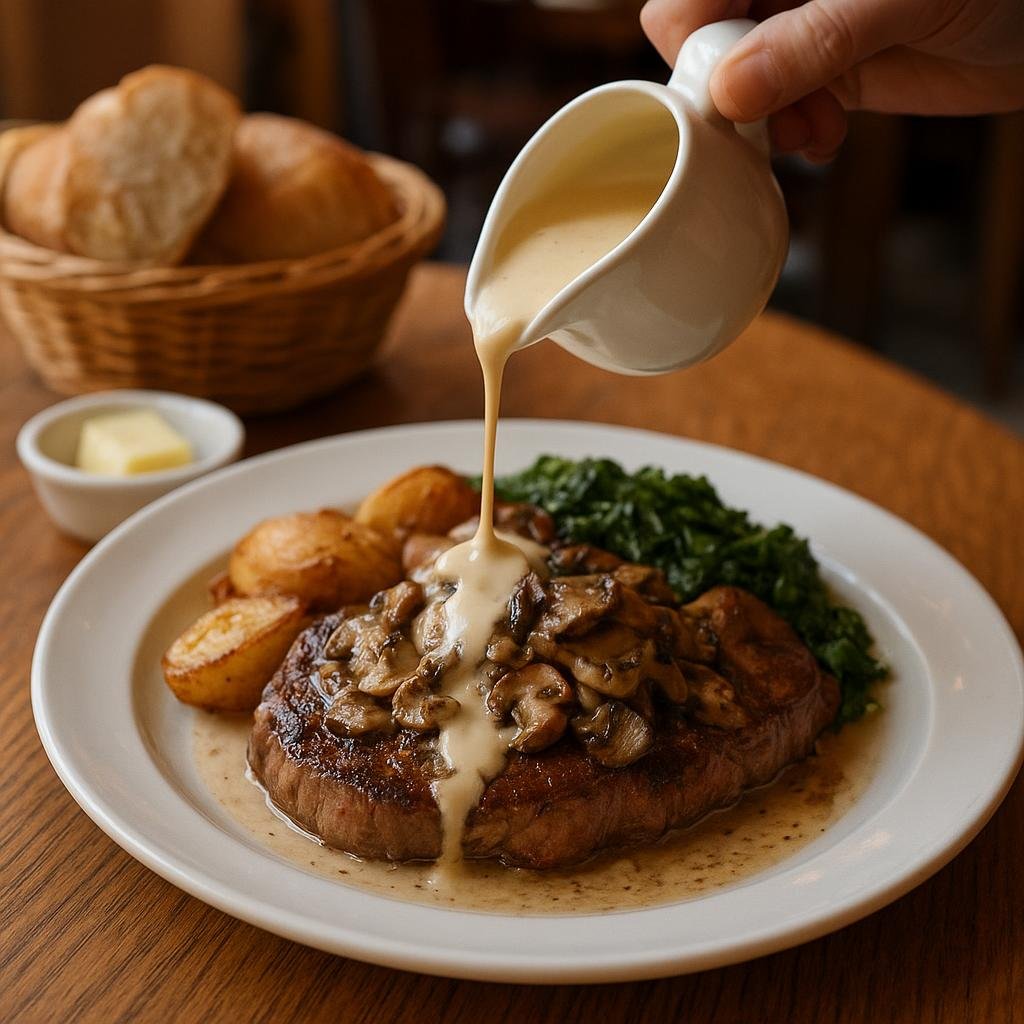
Portions are often larger than what most people would serve at home. And restaurants are not shy with butter, oil, cream, cheese, or sugar. Even meals that sound clean and wholesome can arrive carrying far more calories than expected.
But the final twist is even smaller than that.
It’s the forkful while cooking. The office candy bowl. The sample at the store. A few chips grabbed in passing. The leftovers finished off from a kid’s plate because “it’s just a bite.”
None of these moments looks important.
Together, they absolutely are.
That’s the whole trick of hidden calories: they rarely arrive as one dramatic food disaster. They show up disguised as healthy choices, harmless drinks, and tiny extras.
Which means the most surprising source of “diet sabotage” usually isn’t dessert.
It’s the salad dressing, the smoothie, the olive oil, the low-fat snack bar—and the handful of things nobody even thought were worth counting.
How InSpoon Can Help
With InSpoon you can easily see the product contents for all – per serving, per 100g and per package and make the decisions safer.
The InSpoon app lets you scan packaged foods to instantly see calories, nutrition facts, ingredients, food additives, and an easy-to-understand health score—making it easier to compare products and better options while shopping.