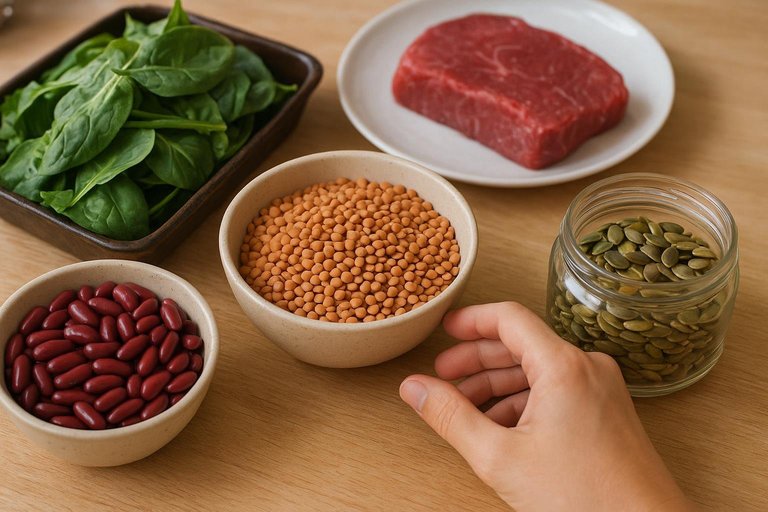
Iron is an essential mineral that helps your body produce hemoglobin, the protein in red blood cells that carries oxygen throughout the body. Because your body cannot make iron, you must get it from food.
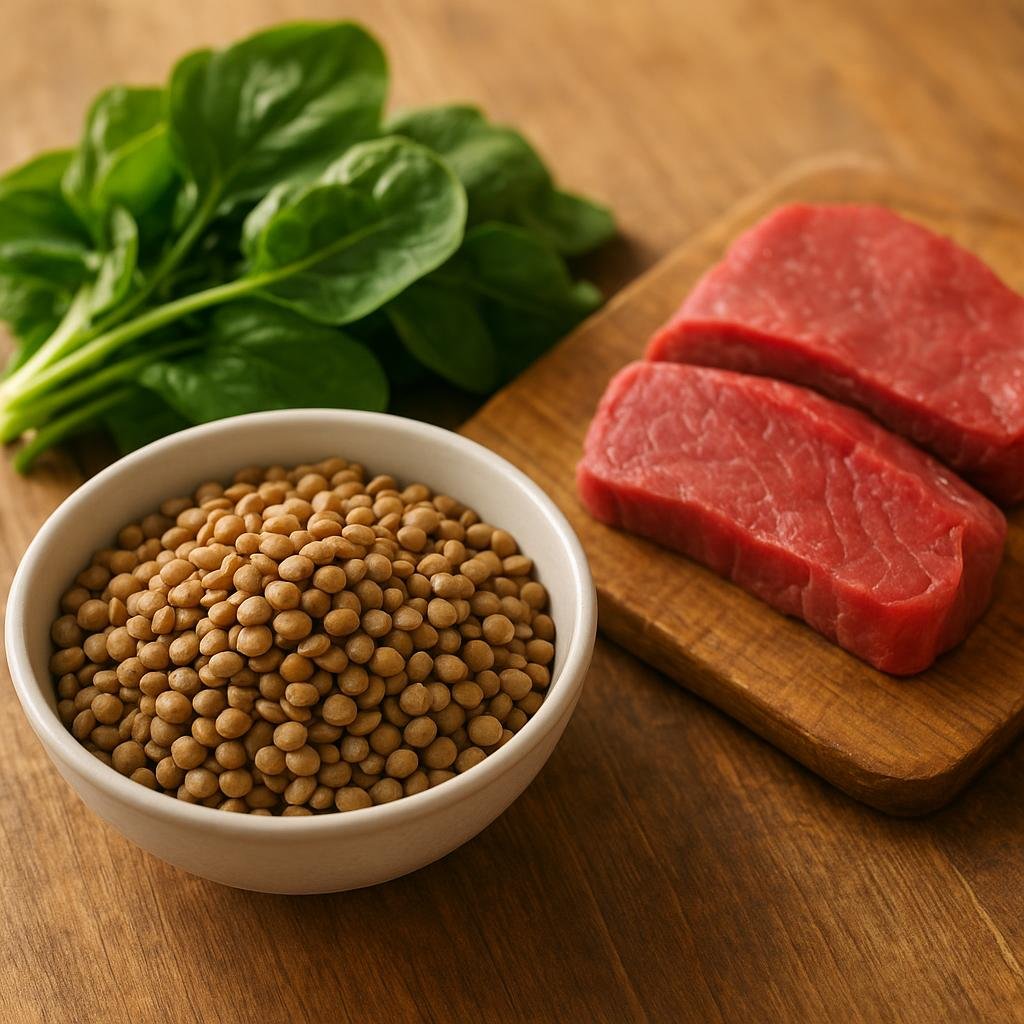
Not all dietary iron is absorbed equally. Knowing which foods contain the most absorbable iron – and how to improve absorption – can help prevent iron deficiency.
Why Iron Is Important
- Produces hemoglobin and myoglobin
- Transports oxygen throughout the body
- Supports muscle function
- Helps brain development and energy production
- Supports immune function
Types of Iron
| Type | Found In | Absorption |
|---|---|---|
| Heme iron | Beef, poultry, seafood, fish | Best absorbed (up to ~30%) |
| Non-heme iron | Beans, lentils, tofu, nuts, seeds, vegetables, grains | Lower absorption (about 2-10%) |
Best Iron-Rich Foods
Animal Sources (Heme Iron)
- Beef
- Liver
- Lamb
- Pork
- Chicken (especially dark meat)
- Turkey
- Oysters
- Clams
- Shrimp
- Tuna
- Sardines
- Salmon
- Eggs (especially yolks)
Plant Sources (Non-Heme Iron)
- Lentils
- Kidney beans
- Chickpeas
- Soybeans
- Tofu
- Spinach
- Kale
- Collard greens
- Broccoli
- Sweet potatoes
- Pumpkin seeds
- Sesame seeds
- Almonds
- Cashews
- Pistachios
- Whole grains
- Iron-fortified cereals
- Oats
- Brown rice
- Raisins
- Prunes
- Dried apricots
- Dates
- Figs
How to Absorb More Iron
You can significantly improve iron absorption by combining iron-rich foods with vitamin C.
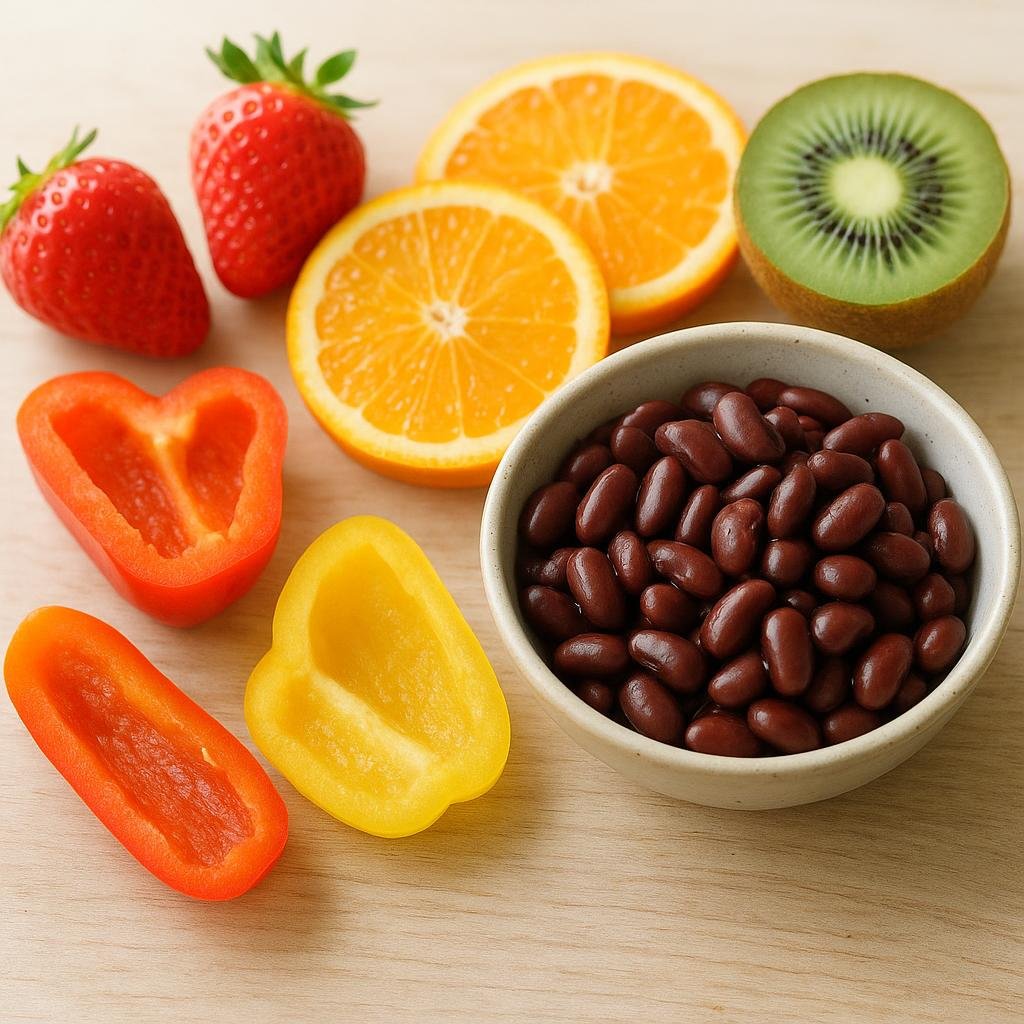
Good vitamin C sources:
- Oranges
- Strawberries
- Kiwi
- Bell peppers
- Tomatoes
- Broccoli
- Potatoes
Examples:
- Spinach salad with strawberries
- Lentil soup with tomatoes
- Beans with bell peppers
- Steak with broccoli
Foods That Reduce Iron Absorption
- Black tea
- Coffee
- Large amounts of calcium consumed with iron-rich meals
If possible, drink tea or coffee between meals instead of with iron-rich meals.
Daily Iron Requirements
| Group | Iron (mg/day) |
|---|---|
| Children 1-3 years | 7 |
| Children 4-8 years | 10 |
| Boys 14-18 years | 11 |
| Girls 14-18 years | 15 |
| Men 19+ | 8 |
| Women 19-50 | 18 |
| Women 51+ | 8 |
| Pregnancy | 27 |
| Breastfeeding (19-50) | 9 |
Signs of Iron Deficiency
- Fatigue
- Weakness
- Shortness of breath
- Dizziness
- Headaches
- Pale skin
- Irritability
- Spoon-shaped nails
Who Is Most at Risk?
- Women with heavy menstrual periods
- Pregnant women
- Frequent blood donors
- Young children
- Vegetarians and vegans
- People with digestive disorders affecting absorption
- Endurance athletes
Can You Get Too Much Iron?
Yes. Excess iron can be harmful, particularly in people with hereditary hemochromatosis or children who accidentally consume iron supplements. Iron supplements should only be taken when recommended by a healthcare provider.
Simple Ways to Increase Iron Intake
- Eat meat, seafood, or legumes regularly.
- Pair plant-based iron with vitamin C.
- Choose iron-fortified cereals and grains.
- Cook acidic foods in cast-iron cookware when appropriate.
- Avoid tea and coffee with iron-rich meals.
How InSpoon Can Help
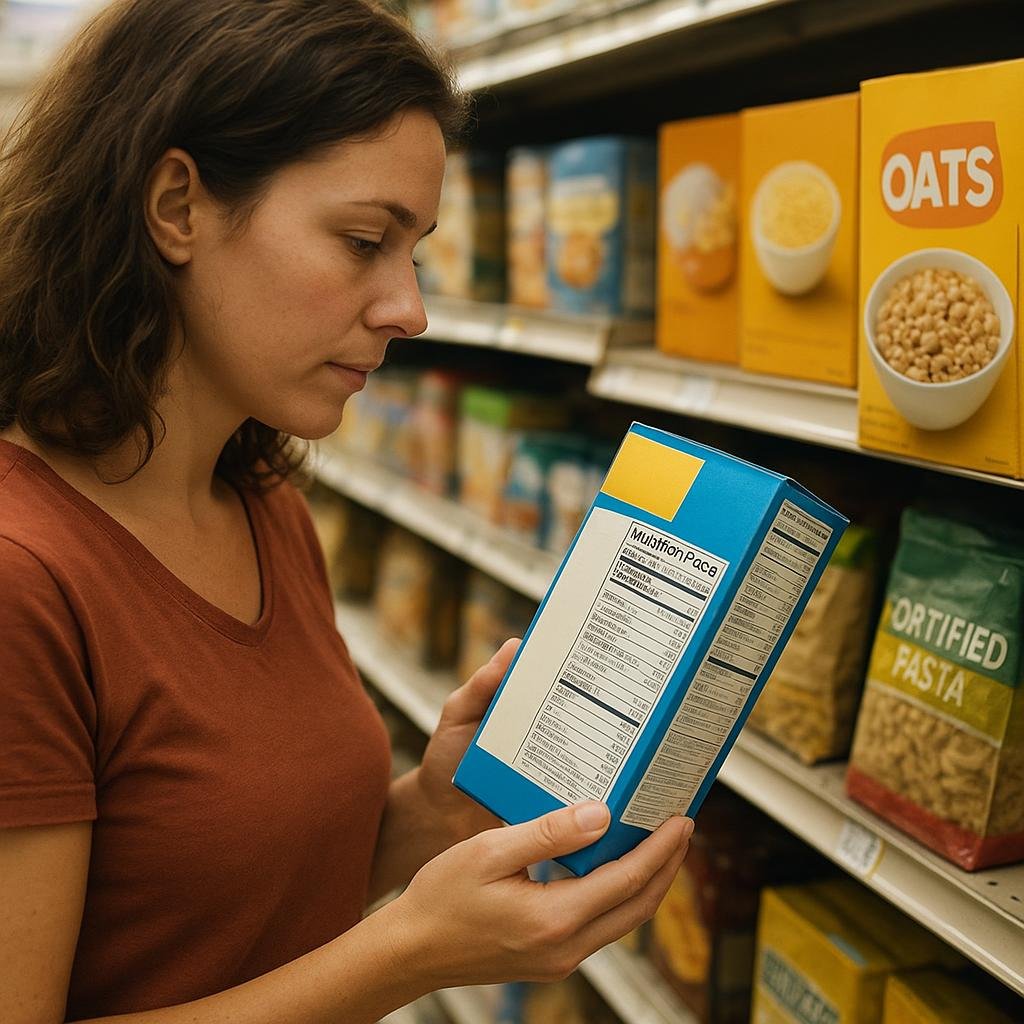
Many packaged foods are fortified with iron, but they may also contain high amounts of added sugar, sodium, or saturated fat. InSpoon helps you scan products, compare nutrition, and choose foods that fit your health goals.