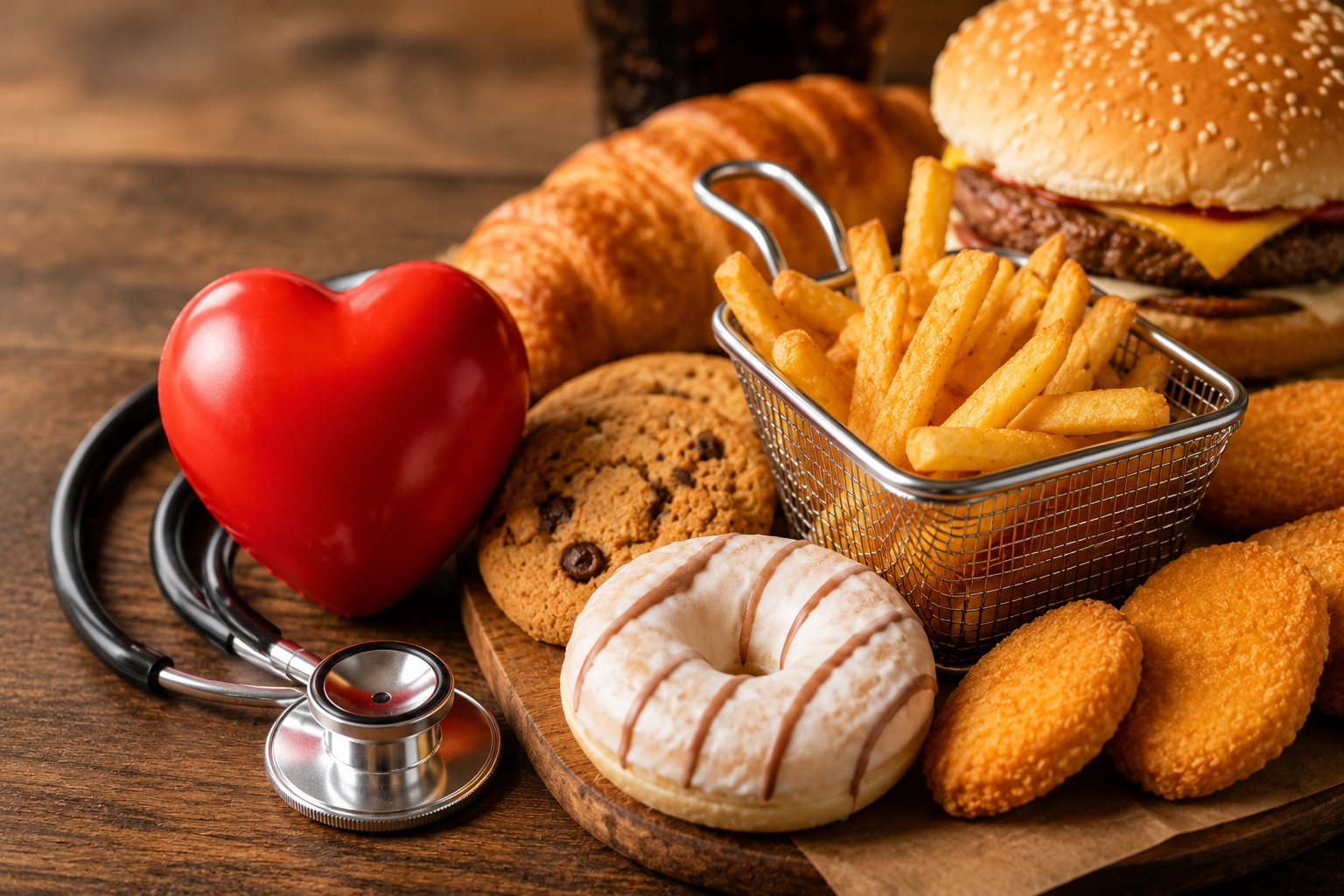
When people try to eat healthier, they often focus on calories, sugar, or protein. But one of the most harmful ingredients can be much harder to notice – trans fat.
Even though many countries have reduced its use, trans fat has not completely disappeared. It can still be found in some packaged foods, baked goods, fried foods, and imported products. Knowing how to recognize it can help protect your heart and improve your long-term health.
In this guide, you’ll learn:
- What trans fat is
- Why it is harmful
- Where it hides
- How to avoid it
- Which fats are healthier choices
What Is Trans Fat?
Trans fat is a type of unsaturated fat that has been chemically changed to become more stable. Food manufacturers developed this process because it helps oils stay solid at room temperature, gives foods a longer shelf life, and improves texture.

These fats became popular because they are inexpensive and help processed foods stay fresh for longer. Cookies remain crisp, pastries stay flaky, and fried foods keep their texture.
Unfortunately, these benefits come with a serious cost to human health.
Small amounts of naturally occurring trans fat are also found in meat and dairy from ruminant animals. However, most health concerns have focused on industrially produced trans fats, which have been linked to a much higher risk of cardiovascular disease.
Why Is Trans Fat Bad for Your Heart?
Your body needs some fat to function properly, but not every fat works the same way.
One reason trans fat is considered especially harmful is because it affects cholesterol from two directions at once.
It increases LDL cholesterol, often called “bad cholesterol.” High LDL allows cholesterol to build up inside blood vessels, making them narrower over time.
At the same time, trans fat lowers HDL cholesterol, known as “good cholesterol.” HDL helps remove excess cholesterol from your bloodstream.
Having more LDL and less HDL creates conditions that increase the risk of:
- Heart disease
- Heart attack
- Stroke
- Blocked arteries
Research has consistently shown that industrial trans fats worsen this cholesterol balance.
Trans Fat vs. Saturated Fat
Many people confuse these two fats because they behave in similar ways inside the body.
They both:
- Are often solid at room temperature
- Increase LDL (“bad”) cholesterol
- Should be limited in a heart-healthy diet
The key difference
Trans fat is generally considered even more harmful because it not only raises LDL cholesterol but also lowers HDL cholesterol, making it especially damaging for cardiovascular health. Research also links industrial trans fats with inflammation and impaired blood vessel function.
For this reason, health experts recommend avoiding trans fat whenever possible while also limiting foods high in saturated fat.
Where Can You Still Find Trans Fat?
Although many food manufacturers have removed artificial trans fat, it has not disappeared completely.
Foods that may still contain trans fat include:
- Packaged cookies
- Crackers
- Cakes
- Frosting
- Doughnuts
- Fried fast food
- Frozen baked products
- Pie crusts
- Microwave popcorn
- Refrigerated biscuit dough
- Some imported snacks
- Certain margarines
- Vegetable shortening
Depending on where a product is made, regulations may be different. Some countries have strict limits, while others still allow higher amounts of industrial trans fat in processed foods.
Don’t Trust “0 g Trans Fat” Alone
Many shoppers believe that seeing “0 g Trans Fat” on a Nutrition Facts label means there is absolutely none inside.
That is not always true.
In the United States, products containing less than 0.5 grams per serving may legally display “0 g Trans Fat.”
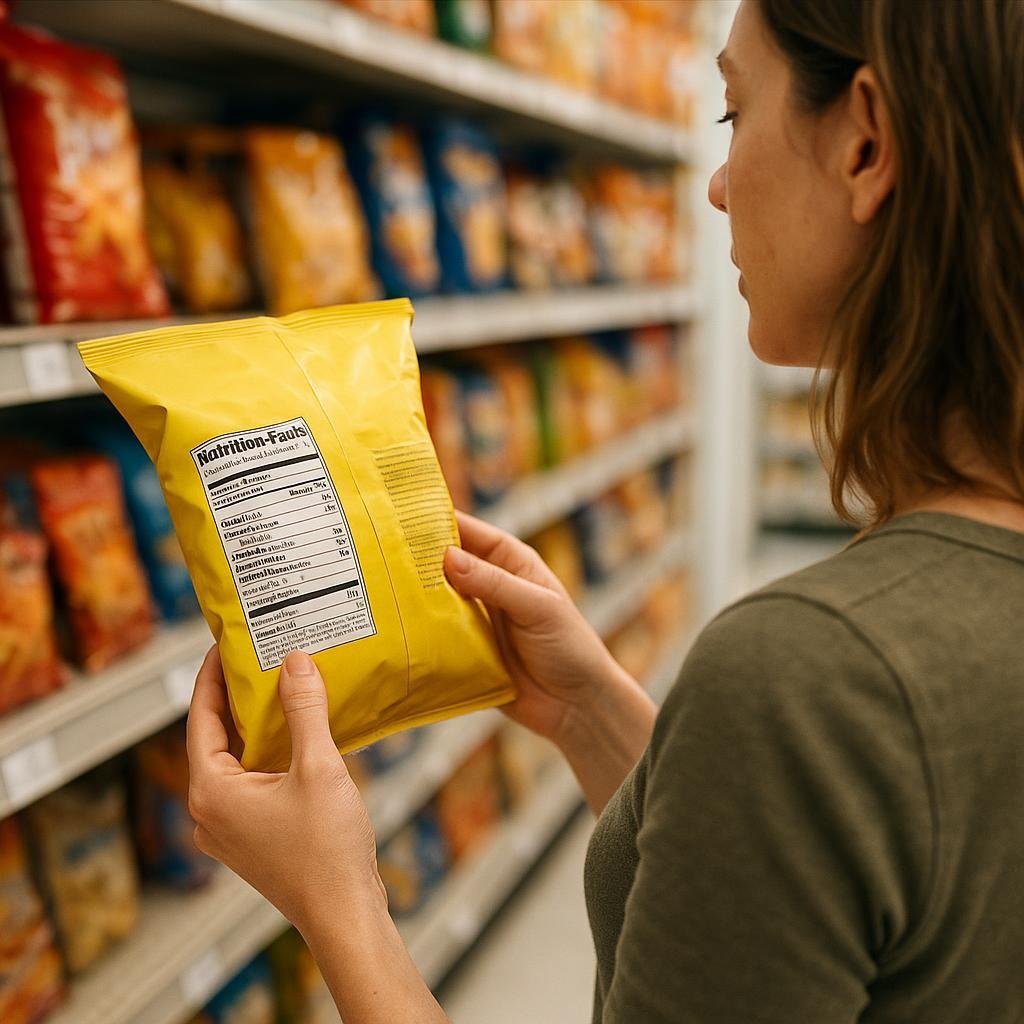
If you eat several servings, those small amounts can quickly add up.
Always Check the Ingredient List
Look for these ingredients:
– Partially hydrogenated oil
– Partially hydrogenated vegetable oil
If you see either of these, the product contains industrial trans fat – even if the Nutrition Facts panel says 0 g.
Why Did Food Companies Use Trans Fat?
For decades, food manufacturers relied on trans fat because it solved many production problems.
It helped foods:
- Stay fresh longer
- Remain stable during frying
- Maintain texture
- Reduce manufacturing costs
These advantages made processed foods cheaper and easier to produce on a large scale.
As scientific evidence grew, many countries introduced regulations to reduce or eliminate artificial trans fats from the food supply.
Does “Trans Fat Free” Mean Healthy?
Not necessarily.
Many companies replaced trans fat with other ingredients, but that does not automatically make a product healthy.
A food can still contain:
- High amounts of saturated fat
- Added sugar
- Excess sodium
- Highly processed ingredients
Instead of focusing on a single nutrient, it’s better to look at the overall nutrition profile.
Track Saturated Fat More Easily with InSpoon
Reading every nutrition label while standing in the grocery store can be frustrating.
The InSpoon app helps simplify shopping by showing important nutrition information in seconds, including saturated fat, which is closely related to trans fat in both structure and its effects on LDL cholesterol.
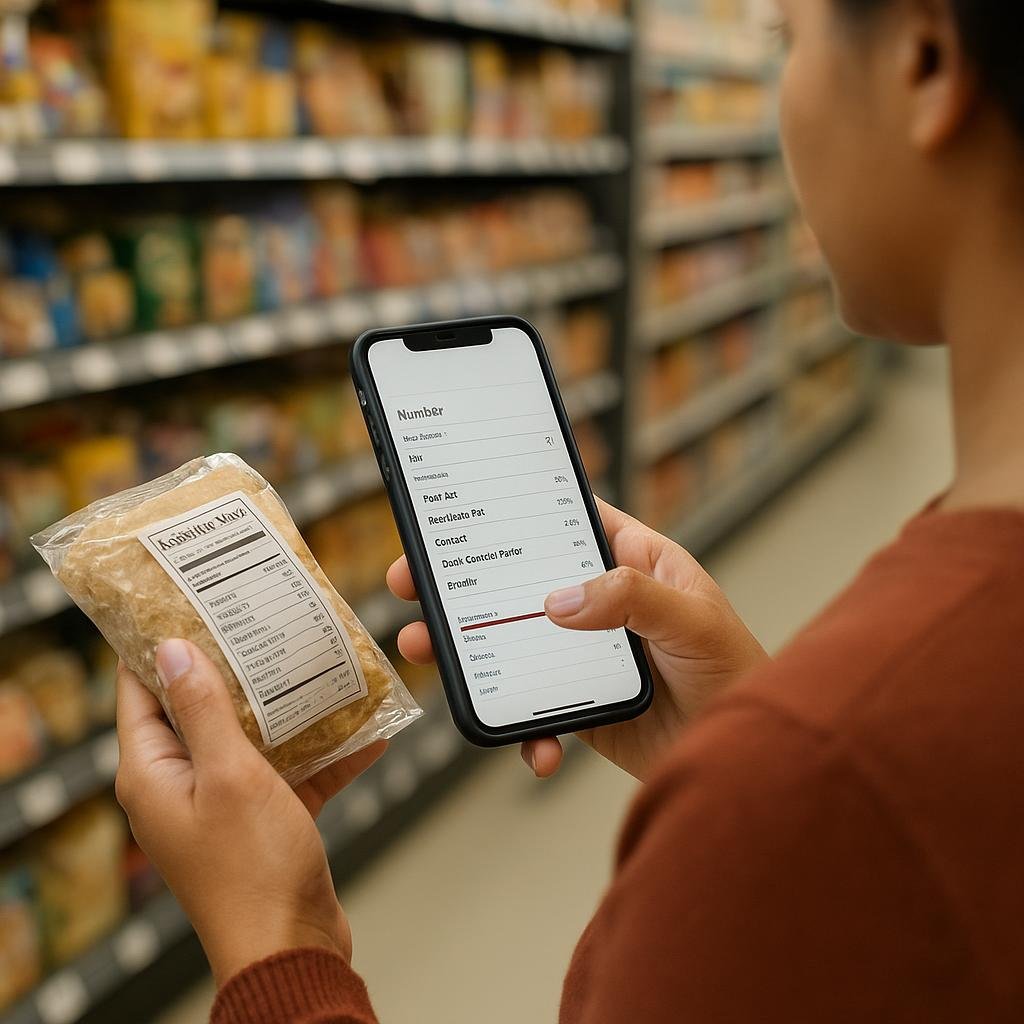
Instead of comparing dozens of labels yourself, InSpoon helps you quickly identify products that better match your nutrition goals.
Download InSpoon: