A strange thing happens in modern kitchens. Someone eats breakfast, lunch, snacks, dinner, and still ends the day wondering how hunger somehow won again.
The easy suspect is willpower. The less flattering answer is often sitting in plain sight: the food itself may be built to slide past the body’s stop signal. And in one tightly controlled study, that trick was worth 508 extra calories a day.
The Grocery Store Didn’t Turn Into a Candy Store. It Turned Into a Factory
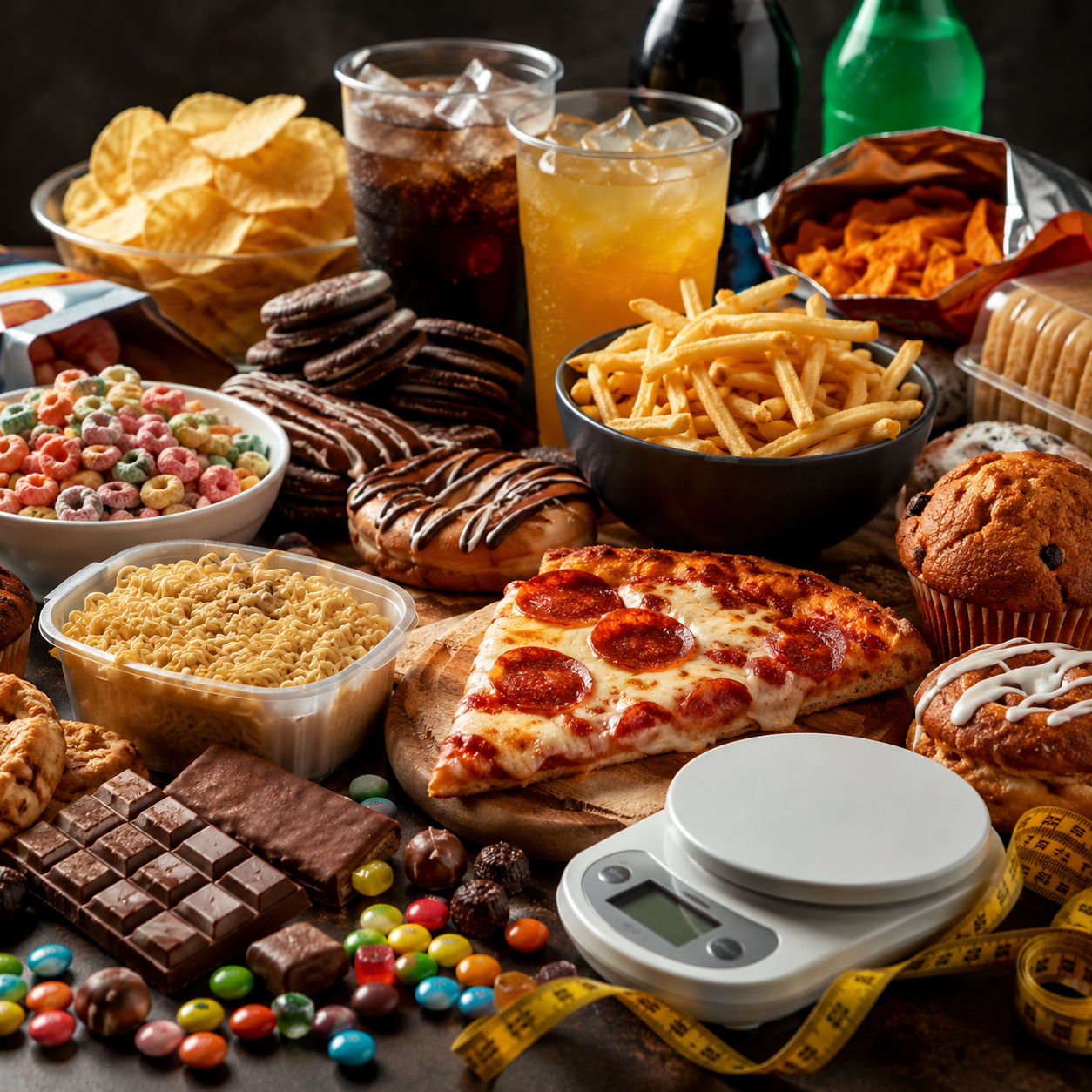
Ultra-processed food sounds like a dramatic phrase, but the lineup is painfully ordinary.
Think:
- chips
- packaged cookies
- sugary cereals
- soft drinks
- instant noodles
- nuggets
- hot dogs
- frozen ready meals
- candy
- sweet yogurt desserts
These aren’t rare treats anymore. In the U.S., they now supply about 55% of daily calories. For kids and teens, it’s even higher, around 62%. And this isn’t just a fast-food problem. More than half the calories people eat at home also come from ultra-processed food.
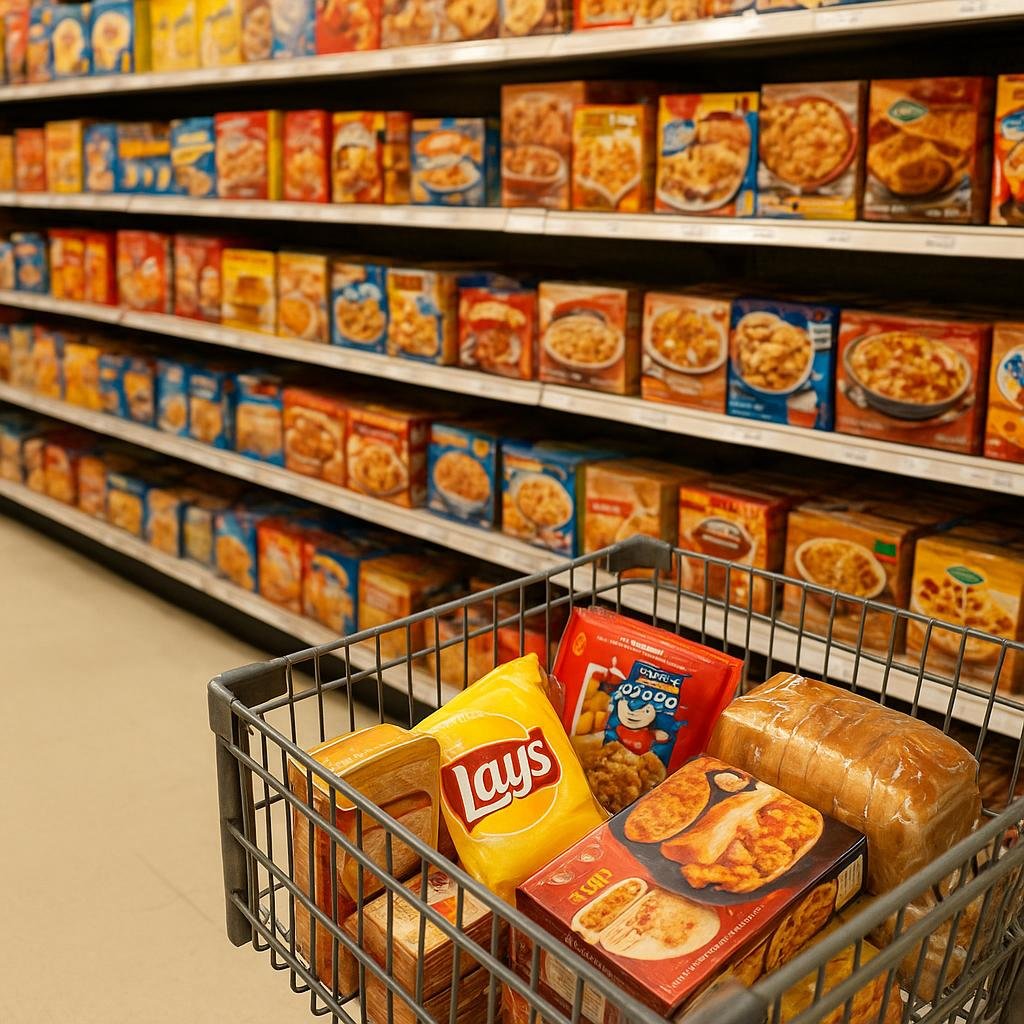
That’s the first twist. The danger isn’t only the drive-thru. It’s the freezer, the pantry, the “quick lunch,” the “easy snack,” the “nothing in the house” dinner that somehow required only peeling back plastic.
Not every packaged food belongs in this group, though. Frozen vegetables, canned beans, plain yogurt, and some whole-grain breads can still be relatively simple foods. “Processed” is not the villain. Ultra-processed is the category that keeps showing up in the evidence.
Then a Study Took Away the Usual Excuses
Nutrition arguments usually get messy fast. Maybe one group ate more sugar. Maybe the other group got less protein. Maybe somebody guessed portions wrong.
The NIH study bulldozed those excuses.
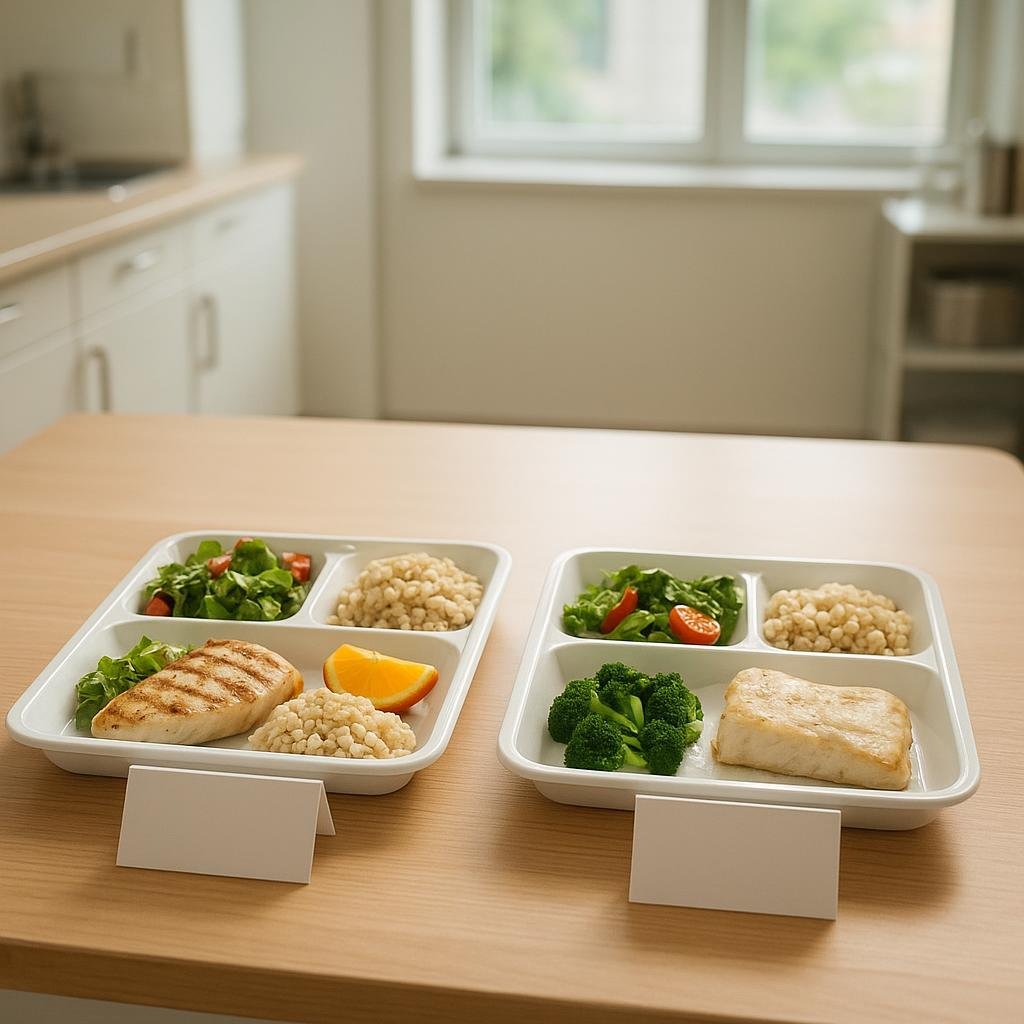
Researchers kept healthy adults in a clinical setting for four weeks. For two weeks, they ate an ultra-processed diet. For the other two, they ate an unprocessed diet. The meals were matched for calories offered, fat, carbs, protein, fiber, sugar, and sodium. People could eat as much or as little as they wanted.
Then came the part that changed everything.
On the ultra-processed diet, people naturally ate about 508 more calories per day.
No one told them to. No one forced larger portions down them. They just kept eating more.
And the scale noticed almost immediately:
- about 2 pounds gained during the ultra-processed phase
- about 2 pounds lost during the unprocessed phase
All in just two weeks.
That’s what makes the result so unsettling. These weren’t wildly different “junk vs health food” calorie setups. The food looked matched on paper. But the body behaved very differently once the eating started.
The Real Trick Happens Before You Feel Full
So how does one category of food quietly pull off an extra 508 calories?
Part of the answer is speed.
Many ultra-processed foods are soft, refined, and barely need chewing. People eat them faster. That matters because fullness is not an instant text message from the stomach. It’s more like delayed mail. If food goes down quickly, calories can pile up before the body sends the “enough” notice.
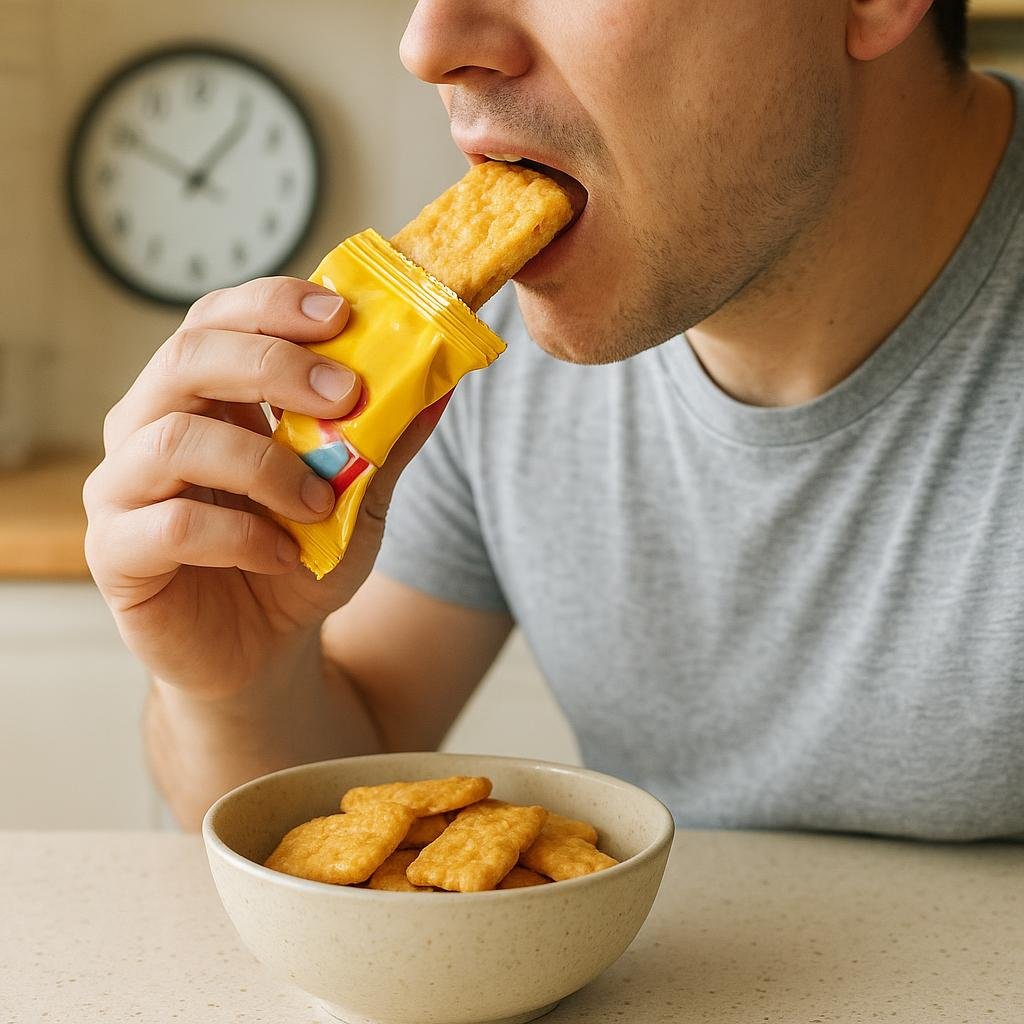
Then there’s the pleasure engineering.
These foods are often tuned with the exact combinations people have trouble putting down:
- sugar
- fat
- salt
- flavor additives
That doesn’t automatically make them “addictive” in the medical sense. But it does make them extremely easy to keep eating after hunger should have retired from the conversation.
There’s also the density problem. Ultra-processed foods often pack more calories into less bulk because they tend to have less water, less intact fiber, and more refined starches and fats. So the stomach can hold a lot of calories without feeling especially impressed.
And then convenience finishes the job. Ready-to-eat, cheap, portable, shelf-stable food creates a world where eating requires almost no friction. No chopping. No waiting. No cleanup. Just one more handful, one more packet, one more bite in the car.
The Annoying Plot Twist: “Ultra-Processed” Is Not a Perfect Villain Label
This is where the story gets less neat, and more useful.
Scientists agree that people who eat more ultra-processed food tend to have higher risk of obesity, type 2 diabetes, heart disease, and other chronic problems. But they’re still arguing over the exact reason.
Is the processing itself doing something unique? Or is the bigger issue that many ultra-processed foods also happen to be easier to eat fast, lower in fiber, more calorie-dense, and often higher in saturated fat?
That question is still open.
And here’s the part most people don’t expect: not every ultra-processed food is automatically terrible, and not every minimally processed food is automatically light. Some fortified cereals, high-protein yogurts, or whole-grain breads can still offer useful nutrients. The label alone doesn’t tell the whole story.
But the big lesson survives all that nuance.
The problem with ultra-processed food isn’t just that it can contain a lot of calories. It’s that it can make eating those calories feel almost effortless. The body gets outpaced, the hand keeps moving, and two weeks later the scale has already filed its complaint.
How InSpoon Can Help
With InSpoon you can easily see the product contents for all – per serving, per 100g and per package and make the decisions safer.
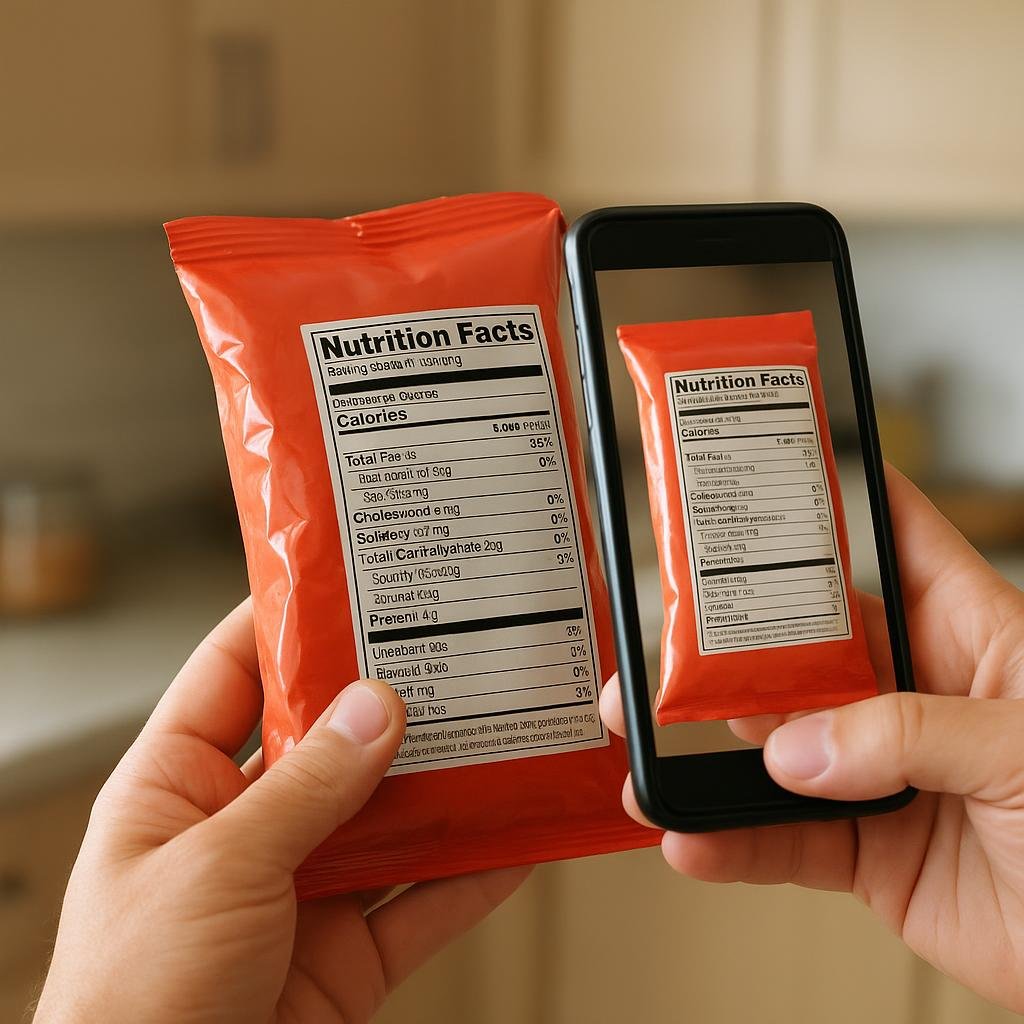
The InSpoon app lets you scan packaged foods to instantly see calories, nutrition facts, ingredients, food additives, and an easy-to-understand health score—making it easier to compare products and better options while shopping.