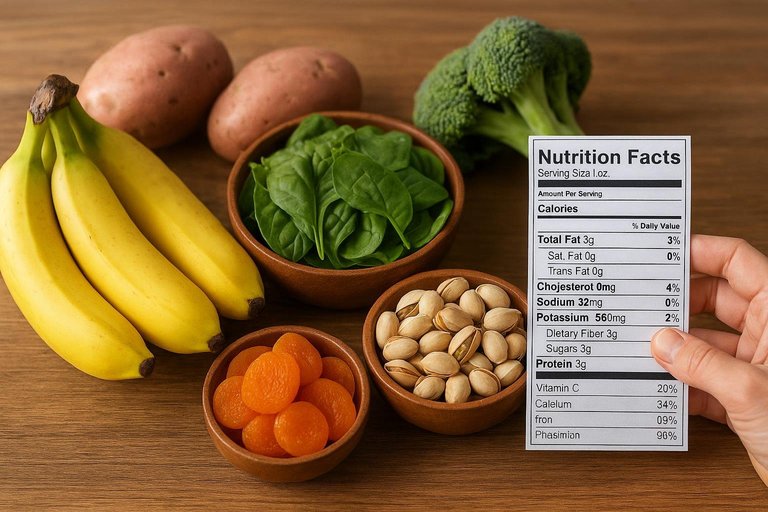
When most people think about potassium, bananas usually come to mind. While bananas are a good source, they’re far from the only option. In fact, potatoes, beans, leafy greens, fish, dairy products, and many fruits contain even more potassium per serving.
Despite its importance, potassium is considered a nutrient of public health concern because many people don’t consume enough. One major reason is that modern diets contain more ultra-processed foods, which tend to be low in potassium and high in sodium.
Fortunately, increasing your potassium intake is easier than you might think.
What Is Potassium?
Potassium is an essential mineral and electrolyte that helps every cell in your body function properly. Along with sodium, it helps regulate fluid balance and supports the electrical signals your nerves and muscles depend on.
Your body needs potassium to:
- Support normal heart function
- Maintain healthy blood pressure
- Help muscles contract properly
- Support nerve signaling
- Maintain normal acid-base balance
- Support healthy kidney function
Because your body cannot produce potassium, you need to get it regularly through food.
Why Is Potassium Important?
Potassium works together with sodium to help regulate blood pressure. While sodium tends to increase blood pressure when consumed in excess, potassium helps the kidneys remove excess sodium and relaxes blood vessel walls.
Research has linked higher potassium intake with better cardiovascular health and a lower risk of high blood pressure and stroke.
Many potassium-rich foods are also naturally high in dietary fiber, antioxidants, vitamins, and other beneficial plant compounds that support overall health.
How Much Potassium Do You Need?
Current recommendations for healthy adults are:
- Adult men: 3,400 mg per day
- Adult women: 2,600 mg per day
However, surveys suggest that many Americans consume considerably less than these amounts.
The Best Foods High in Potassium
1. Potatoes
Potatoes are one of the richest dietary sources of potassium.
| Food | Potassium |
|---|---|
| Baked potato with skin (1 medium) | 919 mg |
| Sweet potato (medium) | Over 500 mg |
Much of the potassium is found in or just beneath the skin, so bake or roast potatoes with the skin whenever possible.
2. Leafy Greens
Dark leafy greens are nutritional powerhouses.
| Food | Potassium |
|---|---|
| Cooked spinach (½ cup) | 591 mg |
| Swiss chard (1 cup cooked) | Over 900 mg |
| Beet greens (1 cup cooked) | Over 1,300 mg |
Add them to omelets, soups, pasta dishes, grain bowls, or salads.
3. Beans and Lentils
Beans and lentils provide potassium along with fiber and plant protein.
| Food | Potassium |
|---|---|
| Pinto beans (½ cup) | 373 mg |
| Lentils (½ cup) | 366 mg |
| Edamame (½ cup) | 338 mg |
Canned beans are an easy way to increase potassium intake—just rinse them to remove some of the sodium.
4. Fish
Several types of fish naturally contain large amounts of potassium.
| Food | Potassium |
|---|---|
| Baked salmon (small fillet) | 763 mg |
| Halibut | Over 400 mg per serving |
| Rainbow trout | Over 400 mg per serving |
Fatty fish like salmon also provide heart-healthy omega-3 fatty acids.
5. Dairy Products
Dairy foods contribute meaningful amounts of potassium while supplying calcium and protein.
| Food | Potassium |
|---|---|
| 1% Milk (1 cup) | 388 mg |
| Low-fat yogurt (6 oz) | 366 mg |
6. Fruits
Many fruits contain more potassium than people realize.
| Food | Potassium |
|---|---|
| Banana | 362 mg |
| Cantaloupe (1 cup) | 417 mg |
| Orange | 237 mg |
| Raisins (¼ cup) | 270 mg |
Fresh fruit is usually a better choice than fruit juice because it also provides dietary fiber.
7. Other Great Sources
- Tomatoes
- Broccoli
- Carrots
- Avocados
- Winter squash
- Mushrooms
- Nuts
- Soy foods
Ultra-Processed Foods and Potassium
One reason potassium intake remains low is that many modern diets rely heavily on ultra-processed foods.
These products often contain:
- High amounts of sodium
- Added sugars
- Refined grains
- Very little potassium
Replacing even a few packaged snacks or ready-made meals with fruits, vegetables, beans, or potatoes can significantly improve your potassium intake.
Can You Get Too Little Potassium?
Low potassium levels (hypokalemia) can occur because of certain medical conditions or medications, particularly some diuretics (“water pills”), prolonged vomiting, diarrhea, or kidney disorders.
Symptoms may include:
- Muscle weakness
- Fatigue
- Muscle cramps
- Abnormal heart rhythms
Most healthy people can prevent low potassium by eating a varied diet rich in whole foods.
Can You Get Too Much Potassium?
For most healthy people, getting potassium from food is safe because healthy kidneys remove excess amounts.
However, people with chronic kidney disease or those taking certain medications (such as ACE inhibitors, ARBs, or potassium-sparing diuretics) may need to limit potassium intake. Always follow your healthcare provider’s recommendations if you have kidney disease or another condition affecting potassium balance.
Simple Ways to Eat More Potassium
- Add beans to soups, salads, and tacos.
- Choose baked potatoes instead of fries.
- Eat fruit as a daily snack.
- Include leafy greens with lunch or dinner.
- Choose yogurt for breakfast or snacks.
- Enjoy fish several times per week.
- Replace ultra-processed snacks with whole foods.
How InSpoon Can Help
Many packaged foods appear healthy but contain large amounts of sodium and very little potassium.
With InSpoon, you can scan packaged foods to instantly view:
- Nutrition Facts
- Sodium content
- Ingredients
- Food additives
- An easy-to-understand health score
This makes it easier to choose foods that support healthy potassium intake while avoiding unnecessary sodium and ultra-processed ingredients.
Frequently Asked Questions
Are bananas the best source of potassium?
No. Bananas are a good source, but foods like potatoes, leafy greens, beans, lentils, salmon, and sweet potatoes often provide even more potassium per serving.
Do I need potassium supplements?
Most healthy people can meet their potassium needs through food alone. Supplements should only be taken if recommended by a healthcare professional.
Can cooking reduce potassium?
Yes. Boiling can cause some potassium to leach into the cooking water. Baking, roasting, steaming, or microwaving generally preserve more potassium.
Which foods combine potassium and fiber?
Beans, lentils, potatoes with skin, leafy greens, bananas, oranges, and many other fruits and vegetables provide both potassium and dietary fiber.
Final Thoughts
Potassium is an essential mineral that supports healthy muscles, nerves, kidneys, and—most importantly—your heart. Although bananas get most of the attention, they’re only one of many potassium-rich foods. Building meals around vegetables, fruits, beans, potatoes, dairy, and fish can help you naturally reach your daily potassium needs while improving the overall quality of your diet.
How InSpoon Can Help
With InSpoon you can easily see the product contents for all – per serving, per 100g and per package and make the decisions safer.
The InSpoon app lets you scan packaged foods to instantly see calories, nutrition facts, ingredients, food additives, and an easy-to-understand health score—making it easier to compare products and better options while shopping.