Sodium is an essential mineral that helps regulate fluid balance, nerve function, and muscle contractions. But while our bodies need some sodium to function, most people consume far more than they need.
Excess sodium intake is linked to high blood pressure and an increased risk of heart disease, stroke, and kidney disease. Fortunately, understanding the Daily Value (DV) for sodium can help you make healthier choices when shopping and eating.
What Is the Daily Value for Sodium?
The Daily Value (DV) is the amount of a nutrient that most adults should aim to consume in a day.
For sodium:
- Daily Value (DV): 2,300 mg per day
This is the value used on Nutrition Facts labels in the United States.
If one serving of a food contains:
- 230 mg sodium = 10% DV
- 460 mg sodium = 20% DV
- 690 mg sodium = 30% DV
A good rule of thumb is:
- 5% DV or less = Low sodium
- 20% DV or more = High sodium
How Much Sodium Do Health Organizations Recommend?
The American Heart Association (AHA) recommends:
- No more than 2,300 mg per day for most adults.
- An ideal target of 1,500 mg per day for many adults, especially those with high blood pressure.
The body actually needs less than 500 mg of sodium per day to perform its basic functions.
Why Too Much Sodium Matters
Excess sodium causes the body to retain water.
This extra fluid increases the workload on the heart and blood vessels, which can raise blood pressure over time.
High sodium intake has been linked to an increased risk of:
- High blood pressure
- Heart disease
- Stroke
- Kidney disease
- Heart failure
- Fluid retention
Reducing sodium intake by about 1,000 mg per day has been shown to improve blood pressure in many people.
Where Does Most Sodium Come From?
Many people assume the salt shaker is the biggest problem.
In reality, over 70% of the sodium Americans consume comes from packaged, processed, restaurant, and prepared foods, not from salt added at the table.
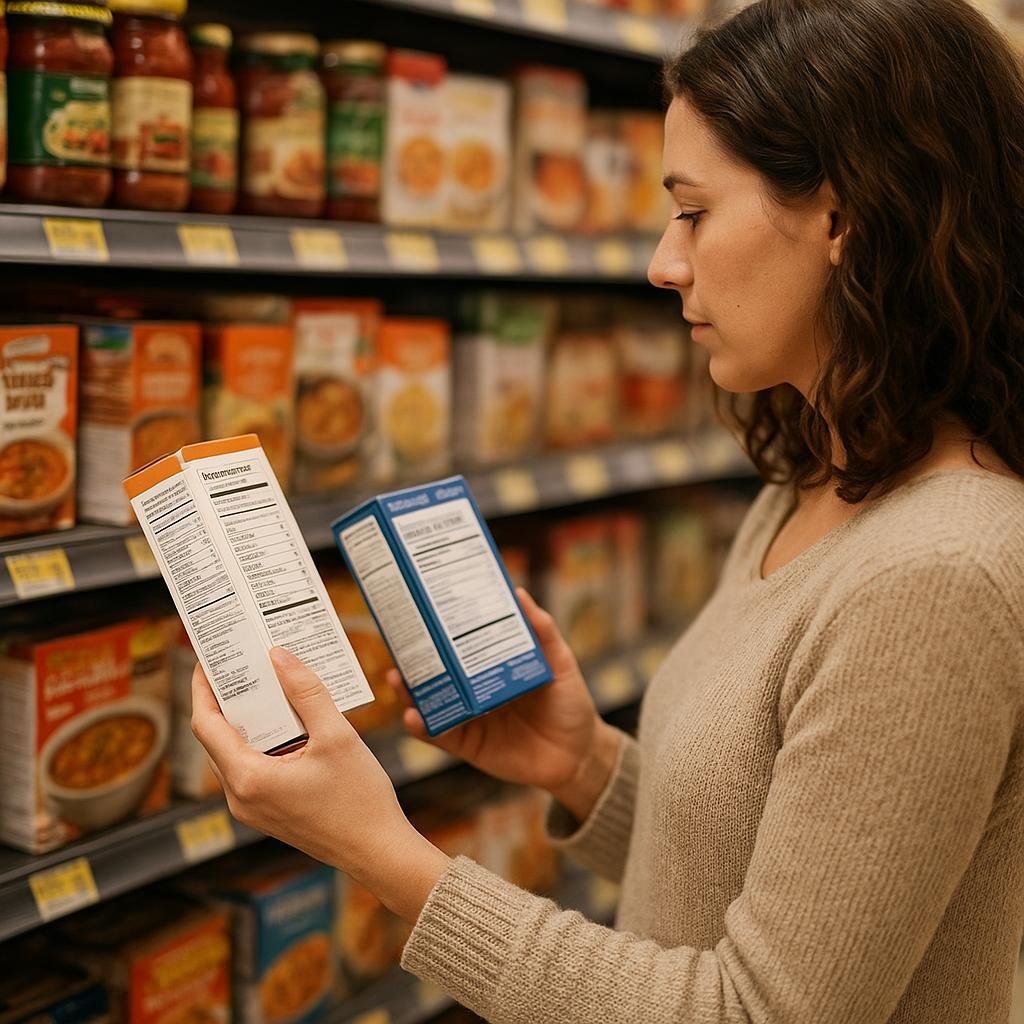
Common high-sodium foods include:
- Bread
- Pizza
- Sandwiches
- Processed meats
- Soups
- Cheese
- Burritos and tacos
- Savory snack foods
- Fast food
- Frozen meals
Even foods that don’t taste particularly salty can contribute large amounts of sodium.
How to Read Sodium on Nutrition Labels
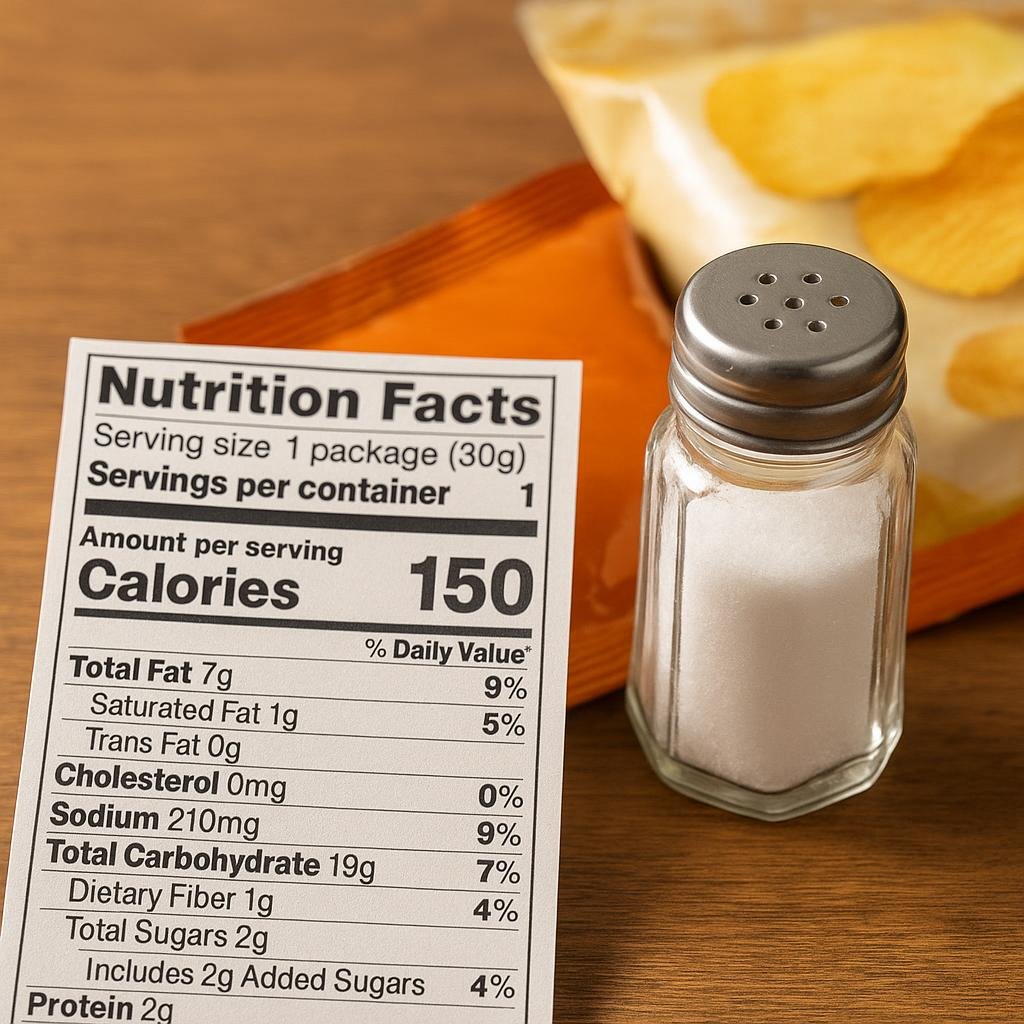
Always check the Nutrition Facts label.
Pay attention to:
- Serving size
- Sodium (mg)
- % Daily Value
Remember:
If you eat two servings, you consume twice the sodium listed.
Also review the ingredient list for sodium-containing ingredients such as:
- Salt
- Sodium bicarbonate
- Sodium benzoate
- Sodium citrate
- Monosodium glutamate (MSG)
- Sodium nitrate
Sodium Claims on Food Packages
The FDA defines several common label claims:
| Claim | Sodium Amount |
|---|---|
| Sodium-free | Less than 5 mg per serving |
| Very low sodium | 35 mg or less |
| Low sodium | 140 mg or less |
| Reduced sodium | At least 25% less than the regular product |
| Light in sodium | At least 50% less sodium |
| No salt added | No salt added during processing, but the food may still naturally contain sodium |
Foods Naturally Low in Sodium
Many whole foods naturally contain very little sodium.
Excellent choices include:
- Fresh vegetables
- Fresh fruit
- Beans (no-salt-added varieties)
- Unsalted nuts
- Oats
- Brown rice
- Quinoa
- Fresh poultry
- Fresh fish
- Eggs
Building meals around whole foods naturally reduces sodium intake.
Simple Ways to Eat Less Sodium
Small changes can make a big difference.
Try these strategies:
- Cook more meals at home.
- Choose fresh foods more often.
- Buy low-sodium or no-salt-added products.
- Rinse canned beans and vegetables.
- Limit processed meats.
- Use herbs, garlic, lemon juice, and spices instead of extra salt.
- Compare nutrition labels between brands.
Many people find that after reducing sodium for several weeks, highly salted foods begin to taste overly salty.
Can You Eat Too Little Sodium?
For most healthy people, consuming too little sodium from food is uncommon.
Healthy kidneys are very effective at conserving sodium when intake is low.
However, some individuals may require higher sodium intake, including:
- Endurance athletes
- People who sweat heavily for prolonged periods
- Certain workers exposed to extreme heat
- Individuals with specific medical conditions, under medical supervision
Anyone with special dietary needs should follow the advice of their healthcare provider.
Is Sea Salt Healthier Than Table Salt?
Despite common marketing claims, sea salt and table salt contain similar amounts of sodium by weight.
Sea salt contains trace minerals, but not enough to provide meaningful health benefits for most people.
From a sodium perspective, the body treats them similarly.
How InSpoon Can Help
Sodium can hide in foods that don’t seem especially salty.
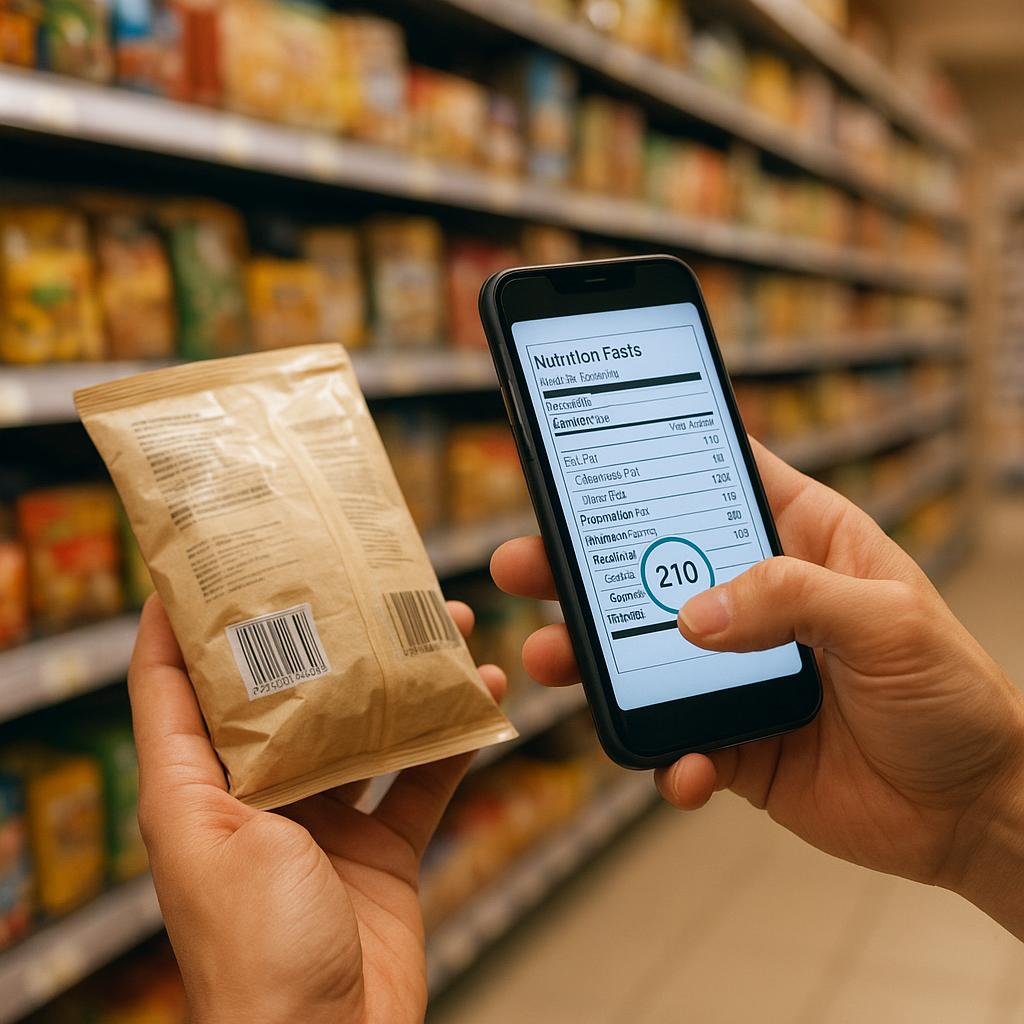
The InSpoon app lets you scan packaged foods to instantly see sodium content, nutrition facts, ingredients, food additives, and an easy-to-understand health score—making it easier to compare products and choose lower-sodium options while shopping.
Download InSpoon:
Frequently Asked Questions
What is the Daily Value for sodium?
The Daily Value used on U.S. Nutrition Facts labels is 2,300 mg per day.
How much sodium should adults eat?
Most health organizations recommend staying below 2,300 mg per day, while the American Heart Association suggests 1,500 mg per day as an ideal goal for many adults.
What percentage Daily Value is considered high?
A food providing 20% DV or more (460 mg or higher per serving) is considered high in sodium.
Does drinking more water remove excess sodium?
Drinking water is important for hydration, but it doesn’t simply “flush out” excess sodium. The most effective strategy is reducing sodium intake over time while maintaining adequate hydration.
Are processed foods the biggest source of sodium?
Yes. The majority of dietary sodium comes from packaged, processed, and restaurant foods—not from adding salt during cooking or at the table.
Final Thoughts
Sodium is essential for life, but most people consume much more than they need. Understanding the Daily Value, reading Nutrition Facts labels, and choosing more whole, minimally processed foods can significantly reduce sodium intake and support heart, kidney, and overall health.
Rather than eliminating salt completely, focus on making gradual, sustainable changes that help keep your daily sodium intake within recommended limits.