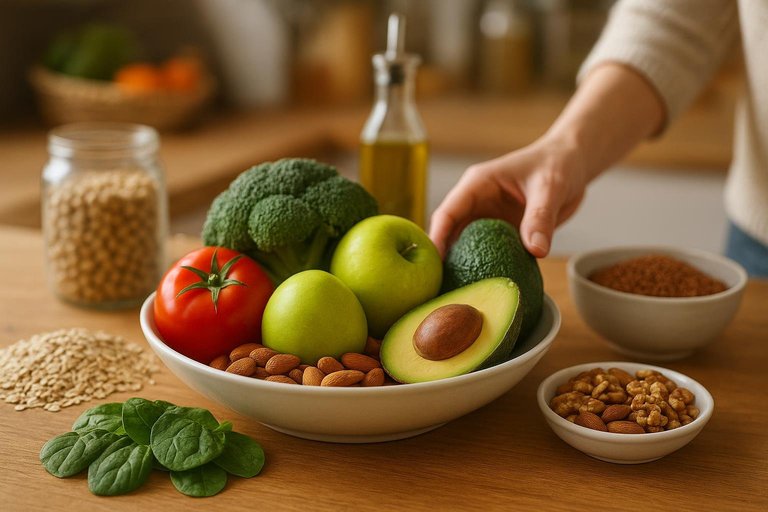
Heart disease remains the leading cause of death worldwide, but many cases are preventable through healthy lifestyle choices. One of the most powerful tools for protecting your heart is your daily diet.
A heart-healthy eating pattern isn’t about following a strict diet or eliminating entire food groups. Instead, it’s about consistently choosing nutrient-rich, minimally processed foods while limiting foods high in sodium, added sugars, and unhealthy fats.
Why Diet Matters for Heart Health
Everything you eat affects your cardiovascular system. Healthy eating can help:
- Lower blood pressure
- Reduce LDL (“bad”) cholesterol
- Support healthy blood sugar levels
- Maintain a healthy weight
- Reduce inflammation
- Lower the risk of heart attack and stroke
The good news is that it’s never too early—or too late—to improve your heart health.
The Foundations of a Heart-Healthy Diet
1. Fill Half Your Plate with Fruits and Vegetables
Vegetables and fruits provide fiber, vitamins, minerals, antioxidants, and other beneficial plant compounds that support cardiovascular health.
Aim to include a variety of colorful produce every day, such as:
- Leafy greens
- Broccoli
- Carrots
- Tomatoes
- Berries
- Apples
- Bananas
- Oranges
2. Choose Whole Grains
Whole grains contain more fiber and nutrients than refined grains and have been associated with better heart health.
Good choices include:
- Oatmeal
- Brown rice
- Whole-wheat bread
- Whole-wheat pasta
- Barley
- Quinoa
Whenever possible, make at least half of your grain choices whole grains.
3. Prioritize Healthy Protein Sources
Protein is an important part of a balanced diet, but the source matters.
Choose more:
- Beans
- Lentils
- Peas
- Nuts
- Seeds
- Fish and seafood
- Low-fat dairy
- Skinless poultry
Limit processed meats like bacon, sausage, hot dogs, and deli meats, as well as large amounts of red meat.
4. Replace Saturated Fat with Unsaturated Fat
Replacing saturated fats with healthier unsaturated fats may help improve cholesterol levels.
Choose:
- Olive oil
- Canola oil
- Avocados
- Nuts
- Seeds
Limit:
- Butter
- Lard
- Coconut oil
- Palm oil
- Fatty cuts of meat
5. Eat More Minimally Processed Foods
Healthy eating patterns consistently emphasize whole and minimally processed foods.
Ultra-processed foods are often high in:
- Added sugars
- Sodium
- Saturated fat
- Refined carbohydrates
These foods can also displace healthier options like fruits, vegetables, legumes, and whole grains.
6. Reduce Sodium
Too much sodium contributes to high blood pressure, a major risk factor for heart disease.
To reduce sodium:
- Cook more meals at home.
- Choose fresh foods whenever possible.
- Read Nutrition Facts labels.
- Choose lower-sodium packaged foods.
- Flavor foods with herbs and spices instead of salt.
Most sodium comes from packaged and restaurant foods—not the salt shaker.
7. Limit Added Sugars
Added sugars increase calorie intake without providing important nutrients.
Major sources include:
- Soft drinks
- Candy
- Desserts
- Sweetened cereals
- Sweetened coffee drinks
Keeping added sugar intake low supports both heart health and healthy weight management.
8. Watch Portion Sizes
Even healthy foods contain calories. Paying attention to portion sizes can help prevent overeating.
Simple strategies include:
- Use smaller plates.
- Eat slowly.
- Fill up on vegetables first.
- Avoid eating until you’re overly full.
Heart-Healthy Snacks
Nutritious snack ideas include:
- Fresh fruit
- Plain yogurt
- Raw vegetables with hummus
- Unsalted nuts
- Air-popped popcorn
- Whole-grain crackers with nut butter
Healthy Eating Doesn’t Have to Be Perfect
A heart-healthy diet is about long-term habits—not perfection. Enjoying dessert or a favorite meal occasionally is completely compatible with healthy eating.
The goal is to make nutritious choices most of the time rather than trying to eat perfectly every day.
Don’t Forget Physical Activity
Diet works best alongside regular exercise.
General recommendations include:
- At least 150 minutes of moderate-intensity activity each week, or
- 75 minutes of vigorous activity per week.
Adding muscle-strengthening exercises at least twice weekly provides additional health benefits.
Simple Ways to Improve Your Heart Health
- Eat more fruits and vegetables.
- Replace refined grains with whole grains.
- Choose beans or fish more often than processed meat.
- Cook with olive oil instead of butter.
- Read Nutrition Facts labels.
- Limit sodium and added sugars.
- Stay physically active.
- Focus on whole, minimally processed foods.
How InSpoon Can Help
Many packaged foods marketed as “healthy” may still contain high amounts of sodium, added sugars, or saturated fat.
With InSpoon, you can scan products to quickly see:
- Nutrition Facts
- Sodium levels
- Added sugars
- Saturated fat
- Ingredients and additives
- An easy-to-understand health score
It makes comparing products and choosing heart-healthier options much easier.
Frequently Asked Questions
What is the best diet for heart health?
Research consistently supports dietary patterns like the Mediterranean diet, DASH diet, and healthy plant-based diets because they emphasize fruits, vegetables, whole grains, legumes, healthy fats, and minimally processed foods.
Is red meat bad for your heart?
Lean, unprocessed red meat can fit into a balanced diet, but eating large amounts of processed meats has been associated with increased cardiovascular risk.
How much sodium should I eat?
Many heart health organizations recommend limiting sodium to no more than 2,300 mg per day, with an ideal goal of around 1,500 mg daily for many adults.
Can I still eat desserts?
Yes. Enjoying treats occasionally is part of a balanced lifestyle. The goal is to eat nutrient-rich foods most of the time rather than aiming for perfection.
Final Thoughts
A heart-healthy diet doesn’t require expensive superfoods or complicated meal plans. Simple habits—eating more fruits, vegetables, whole grains, legumes, healthy fats, and minimally processed foods while limiting sodium, added sugars, and processed foods—can have a meaningful impact on your long-term cardiovascular health.
How InSpoon Can Help
With InSpoon you can easily see the product contents for all – per serving, per 100g and per package and make the decisions safer.
The InSpoon app lets you scan packaged foods to instantly see calories, nutrition facts, ingredients, food additives, and an easy-to-understand health score—making it easier to compare products and better options while shopping.