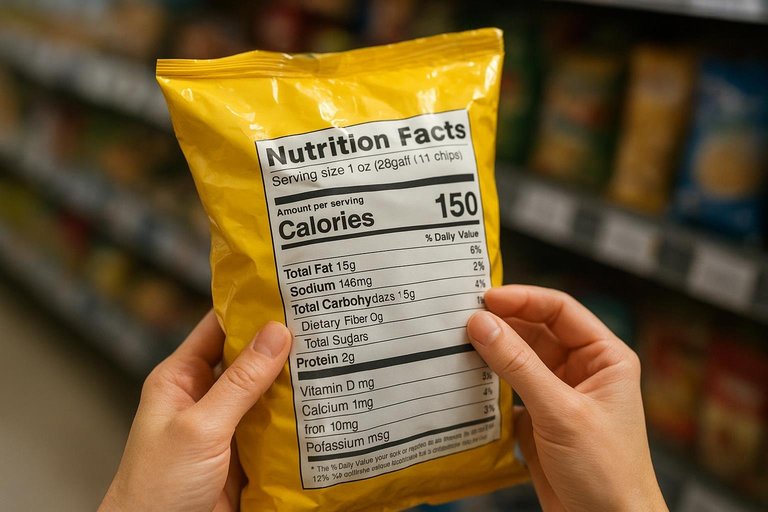
I used to believe the little nutrition panel on a bag of chips was there to help me. Then I noticed the part that said a serving was about 18 chips, and I had the deeply humbling realization that I do not eat chips in servings. I eat them in events.
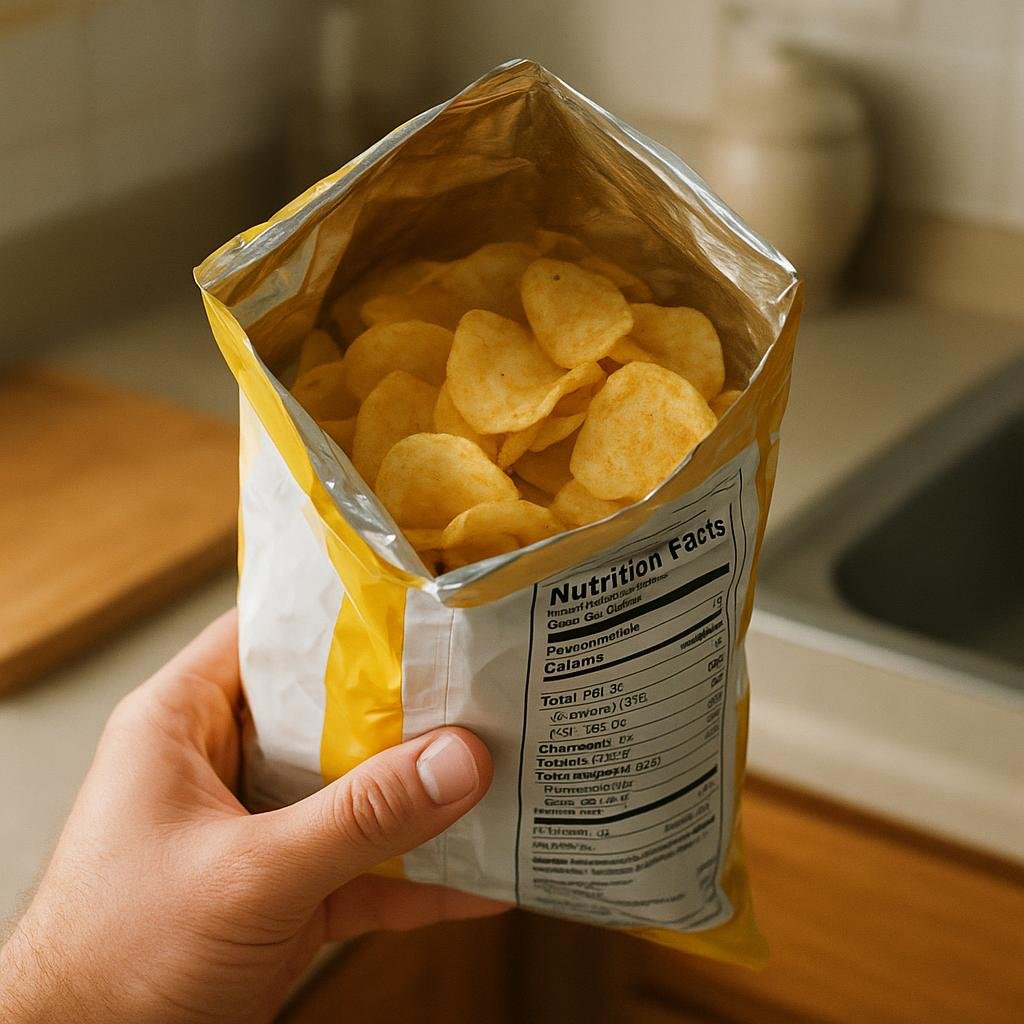
That sent me down a label-reading spiral, because chips have always had that innocent disguise. They start as potatoes. Potatoes are real food. Vegetables, even. So how bad could the crunchy version be?
The Bag Is Doing Math You’d Never Do
The first trick is simple: the bag talks in tiny portions, while normal humans eat with their hands.
A full-size bag can land around 1,200 to 1,280 calories. That is not a snack. That is the kind of number you expect from a meal you had to wait 25 minutes for.
And somehow chips still don’t feel heavy. That’s part of the problem. They are built to be crisp, salty, fatty, and weirdly easy to keep eating. You open the bag for a few bites, then look down and the bag is making that flat, crumpled sound of no return.
This is why the serving size matters so much. It creates the polite version of the story. The real version is what happens after the bag is open.
Then I Looked at What Makes Them So Easy to Finish
Most chips get their crunch from a very hot oil bath. That process gives them the golden, addictive texture people love, but it also loads them with a lot of fat.
One study comparing store-bought corn and potato chips found potato chips generally came out higher in fat and protein than corn chips. The fat numbers for potato chips ranged from about 28.57% to 34.58%, while corn chips ranged from about 19.89% to 28.92%.
That alone changes the mood.
Then there’s the sodium situation. A single pack of Lay’s can contain around 1,000 mg of sodium. Across chips more broadly, sodium levels in studies have ranged from 172 to 1,800 mg per 100 g.
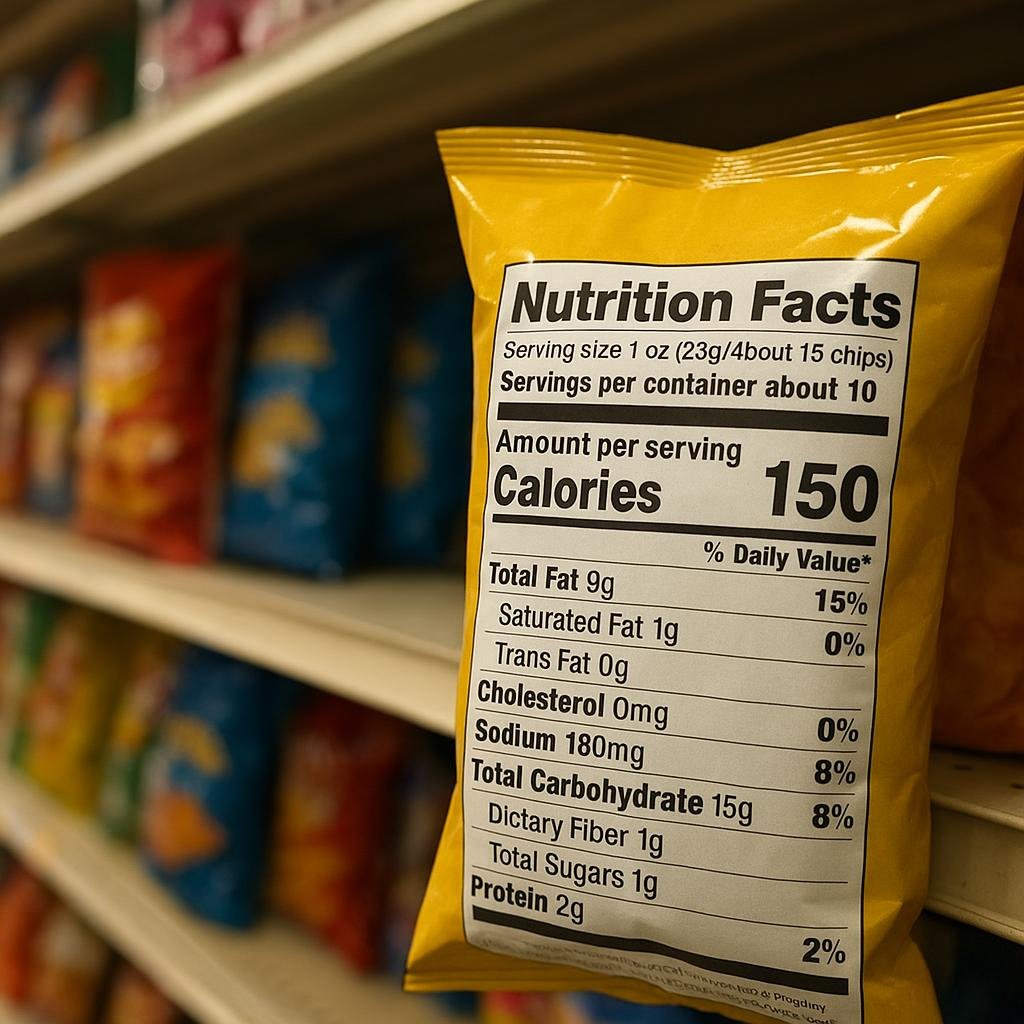
That powder on your fingers is not just seasoning theater. It often comes with a mix of salt and other sodium-containing ingredients.
And sodium doesn’t just sit there quietly. It can push you to keep reaching. It can make you thirstier. It can make the snack feel even harder to stop. Long term, too much sodium is also linked to problems like high blood pressure and heart disease.
So now the bag had gone from “just potatoes” to a very efficient delivery system for calories, fat, and sodium.
The Potato Is Gone Long Before You Finish the Bag
This was the part I didn’t expect to bother me, but it did.
Once potatoes are blasted with high heat in deep frying, they’re no longer bringing much of what made potatoes sound wholesome in the first place. The frying process strips away a lot of the original nutritional value.
It also creates something less friendly: acrylamide.
That’s a chemical that forms when starchy foods are cooked at high temperatures, and it has been flagged in research because of its cancer risk in animal studies. So the transformation isn’t just potato-to-chip. It’s potato-to-ultra-processed object with a new chemistry set attached.

That lines up with the larger warning around ultra-processed foods. Researchers and food experts have linked diets high in foods like chips with a long list of ugly outcomes, including heart disease, diabetes, hypertension, and even earlier death.
And the most annoying part is that none of this requires you to be reckless. You can get there just by doing the normal thing: opening a bag because you were bored and suddenly your mouth wanted entertainment.
The Real Lie Was Never the Potato
By the end of this, I stopped thinking of chips as a vegetable with a little salt problem.
They’re better understood as a product engineered to disappear before your appetite does.
That tiny serving size on the label? It isn’t technically false. It’s just describing a person I’ve never met.
And that’s the twist: the worst thing about a bag of chips may not be the oil, the sodium, or even the calories by themselves. It’s that the bag counts on you treating all three like they only happened 18 chips at a time.
How InSpoon Can Help
With InSpoon you can easily see the product contents for all – per serving, per 100g and per package and make the decisions safer.
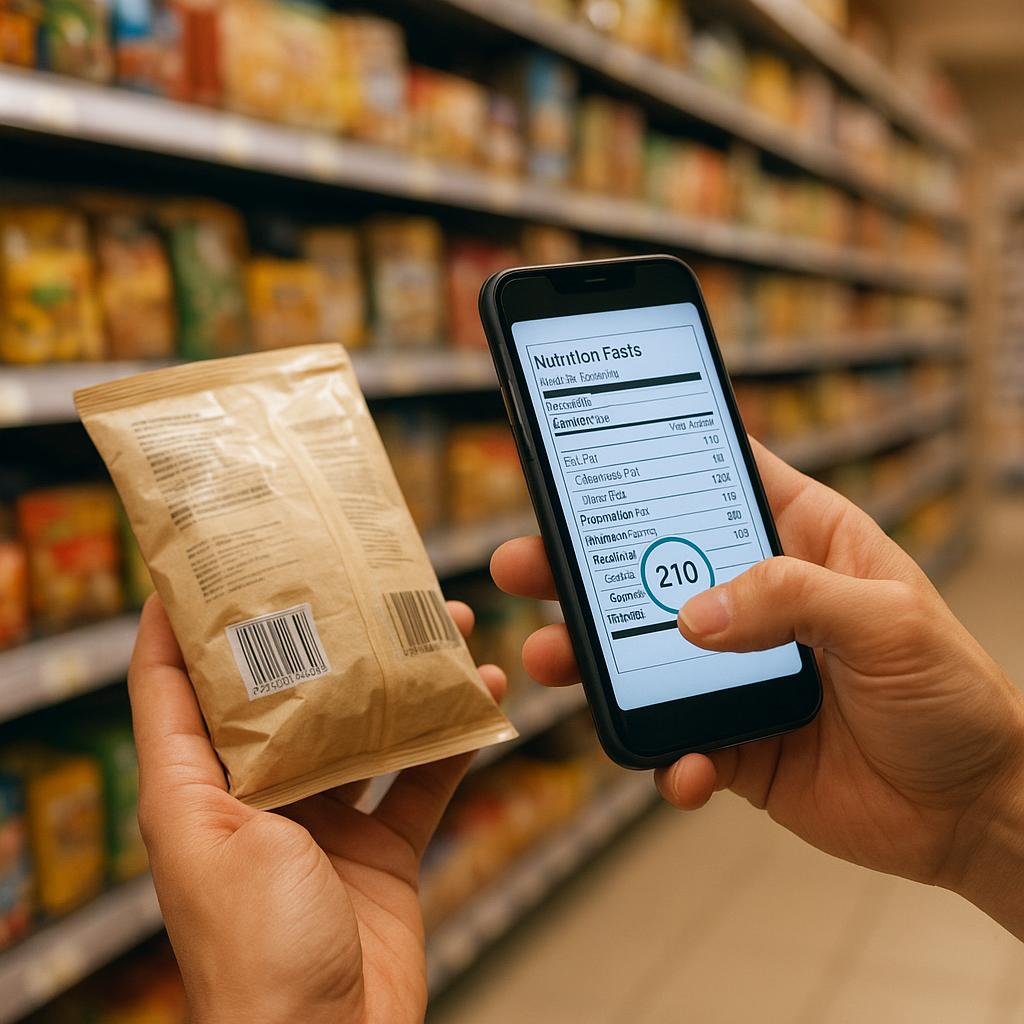
The InSpoon app lets you scan packaged foods to instantly see sodium content, nutrition facts, ingredients, food additives, and an easy-to-understand health score—making it easier to compare products and better options while shopping.
Download InSpoon: